Bass Fishing at Night: Pro Tips

You’ve spent all summer battling the midday sun, watching your electronics as the bass vanish into deep, cool haunts. The surface is like glass, the air is thick, and the bite has shut down. Sound familiar? There’s a better way. When the sun sets and the world quiets, a different fishery awakens. Bass fishing at night isn’t just an alternative; for much of the year, it’s the most productive strategy you’re not using. The fish move shallow, their guard drops, and trophy-sized bass patrol the banks. Let’s unlock it.
Safety & Legal First Cast: Night fishing amplifies every risk. A properly fitted life jacket (PFD) is non-negotiable, even if you’re a strong swimmer. File a float plan with someone on shore. Your navigation lights must be operational and on from sunset to sunrise. Always check the weather forecast; a storm you can see coming during the day is invisible at night. A valid fishing license for the state you are in is required. Practice ethical angling: handle fish with wet hands, use appropriate tackle for a quick fight, and consider releasing those giant breeders to sustain the fishery. Know your local regulations on size and bag limits.
The Night Shift: Understanding Bass Behavior After Dark
Think of a lake’s shallow flats and coves like a neighborhood restaurant that’s too crowded and bright at lunch. Bass, especially larger ones, avoid that commotion. But come evening, when the crowd leaves and the lights dim, they feel comfortable coming in for a meal. The science is straightforward: lower light reduces their visibility, allowing them to ambush prey with less energy expenditure. Their lateral line—a super-sensitive organ that detects vibrations—becomes their primary targeting system. Your lure isn’t just something they see; it’s something they feel and hear. Your job is to send the right signals.
Essential Gear for Nocturnal Success
You don’t need a second mortgage to fish at night, but you do need the right tools for the job. It’s less about fancy colors and more about vibration, silhouette, and reliability.
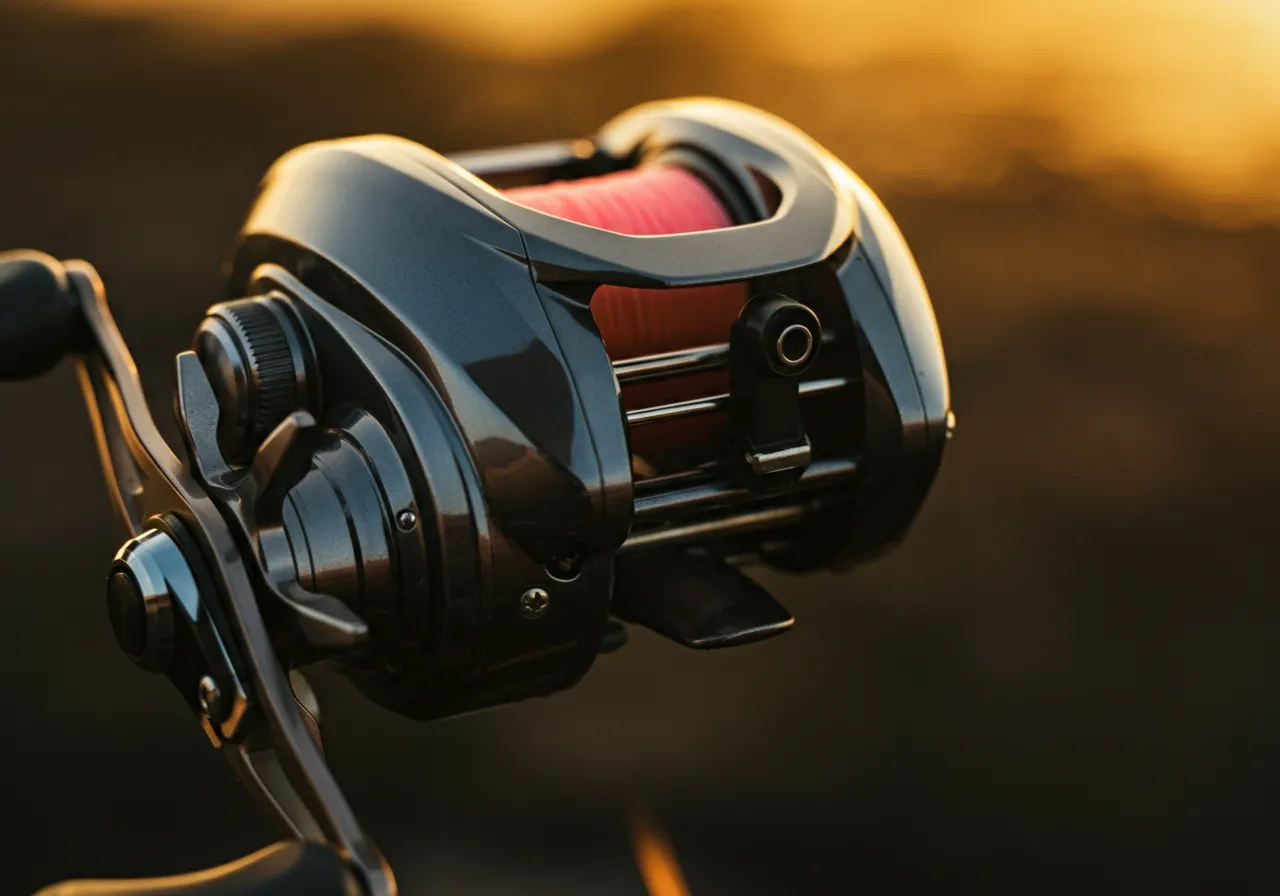
Rods, Reels, and Line: Feeling the Bite
- Rod Power: A 7’ to 7’6” heavy or medium-heavy casting rod. You need backbone to pull fish from heavy cover you can’t see.
- Reel: A low-profile baitcasting reel with a smooth drag. Gear ratio isn’t critical; a 6.3:1 or 7.1:1 is versatile.
- Line: This is crucial. I use 50-65 lb braided line as my main line for two reasons: zero stretch for solid hook sets, and it allows me to feel the slightest tap or change in retrieve. I’ll often add a 12-20 lb fluorocarbon leader for certain lures.
Lure Selection: The Nighttime Menu
- Black Buzzbait: The king of night fishing. The constant surface commotion and squeaky blade are a dinner bell. Use a trailer hook.
- Jig with Craw Trailer: A 3/8 oz to 1/2 oz black/blue or black jig. It displaces water, ticks off rocks, and mimics a bottom-dwelling crawfish. Your go-to around docks and rocks.
- Large Dark Worm (10”+): Texas-rigged or on a wobble head. The thick profile creates a strong vibration wave.
- Lipless Crankbait: A one-ounce model in black or chrome. The intense internal rattle can call fish from a distance.
| Category | Solid Starter Setup | Pro-Level Refinement |
|---|---|---|
| Main Line | 30-40 lb Braid (Cost-effective, strong) | 50-65 lb High-Visibility Braid (Better feel, easier to manage) |
| Topwater | Standard Black Buzzbait | Custom-tuned Buzzbait with clacker blade & trailer hook |
| Bottom Contact | Black/Blue Flipping Jig | Custom-painted Jig with matching rattling craw trailer |
| Lighting | Headlamp with Red Light mode | Dedicated deck lights & green submersible attracting light |
Step-by-Step: Executing a Nighttime Pattern
- Location is Everything: Target predictable structure. Start on points leading into spawning bays, the first major drop-off outside a flat, or along long stretches of rip-rap. Docks with lights are legendary night fishing spots, as they attract baitfish.
- The Slow Retrieve Mindset: Your retrieve should be methodical, not frantic. For a buzzbait, a steady “chug-chug-chug” just fast enough to keep it on the surface. For a jig, drag it, hop it, let it sit. Patience is key.
- The Strike & Hook Set: You will often hear the strike before you feel it. With braided line, reel down quickly to remove slack and execute a powerful, sweeping hook set. Don’t “jerk”—sweep the rod from 9 o’clock to 12 o’clock.
- Controlling the Fight: Keep constant pressure. Use your rod to guide the fish away from unseen snags. Have your net ready and accessible.
The Honest Pros & Cons of Night Fishing
Pros: Escape the heat and boat traffic. Often yields larger, more aggressive fish. Can be incredibly consistent during summer. Offers a thrilling, sensory-focused experience.
Cons: Inherently more dangerous. Requires adjusted senses and slower pace. Logistics are harder (launching, tying knots). Can be intimidating for newcomers.
Night Fishing FAQs
Q: What’s the best moon phase for night fishing?
A: While you can catch them any night, many anglers find the three days before and after a full moon to be peak times. The increased ambient light seems to stimulate feeding activity.
Q: Do I absolutely need a boat?
A> No. Some of my best night bass have come from shore. Focus on public docks, lighted piers, and accessible banks near deep water. Safety is even more critical—know your footing.
Q: What’s the single most important piece of non-fishing gear?
A> A high-quality headlamp with a red light setting. It preserves your night vision and spooks fewer fish than white light when checking gear or landing a fish.
Night fishing transforms the familiar into the unknown and rewards the angler who embraces the challenge. It sharpens your instincts and connects you to the water in a primal way. Start simple, stay safe, and listen for that explosive strike in the darkness. It’s a sound you’ll never forget.
Ready to tackle other seasonal patterns? Explore our other guides to become a more versatile angler. For the most accurate and location-specific fishing regulations, always consult your state’s wildlife agency, such as the Tennessee Wildlife Resources Agency.