Shimano vs Daiwa Reels

You’ve just felt the unmistakable thump-thump-thump of a big bass inhaling your jig. You set the hook, the rod loads up, and then… a sickening grind. Your reel’s drag seizes, the line snaps, and your trophy vanishes into the murk. That moment of mechanical failure is a gut punch every angler fears, and it’s why the choice between Shimano and Daiwa reels isn’t just about brand loyalty—it’s about trust in the moment of truth.
Disclaimer: This is an unbiased guide based on two decades of professional use and abuse. I am not sponsored by either brand. Some links may be affiliate links, which support the site at no extra cost to you. My goal is to help you make an informed decision.
The Heart of the Machine: Understanding Reel “Feel”
Choosing between Shimano and Daiwa is less about which is “better” and more about which engineering philosophy matches your fishing style. Think of it like driving a car. Shimano often feels like a precision German sports sedan: incredibly smooth, efficient, and built with meticulous tolerances. Daiwa, on the other hand, can feel more like a high-performance Japanese tuner car: innovative, feature-packed, and designed for maximum angler feedback and control. Both will get you to the finish line (landing the fish), but the sensation in your hands is distinctly different.
Safety, Licenses, and Ethical Angling: The Foundation
Before we geek out on gear specs, let’s cover the non-negotiables. A $500 reel won’t catch you a fish if you’re not fishing legally or safely.
- Your Fishing License: This is your ticket to the water. Regulations vary by state, species, and even body of water. It is your responsibility to know the rules. Always check with your state’s wildlife agency. For a prime example of comprehensive regulations, you can review the guidelines from the U.S. Fish and Wildlife Service.
- Weather Wisdom: Check forecasts and radar apps. A sudden squall can turn a great day dangerous. Always have a life jacket (PFD) accessible, not just stored.
- Fish Handling: Whether you practice catch and release or keep a meal, handle fish with care. Wet your hands, support the body, and use proper tools like pliers for hook removal. A fish fought on a buttery-smooth drag has a much better survival rate.
The Head-to-Head: Shimano vs Daiwa Reel Breakdown
Here’s my take, honed from seasons on both freshwater lakes and salty bays.
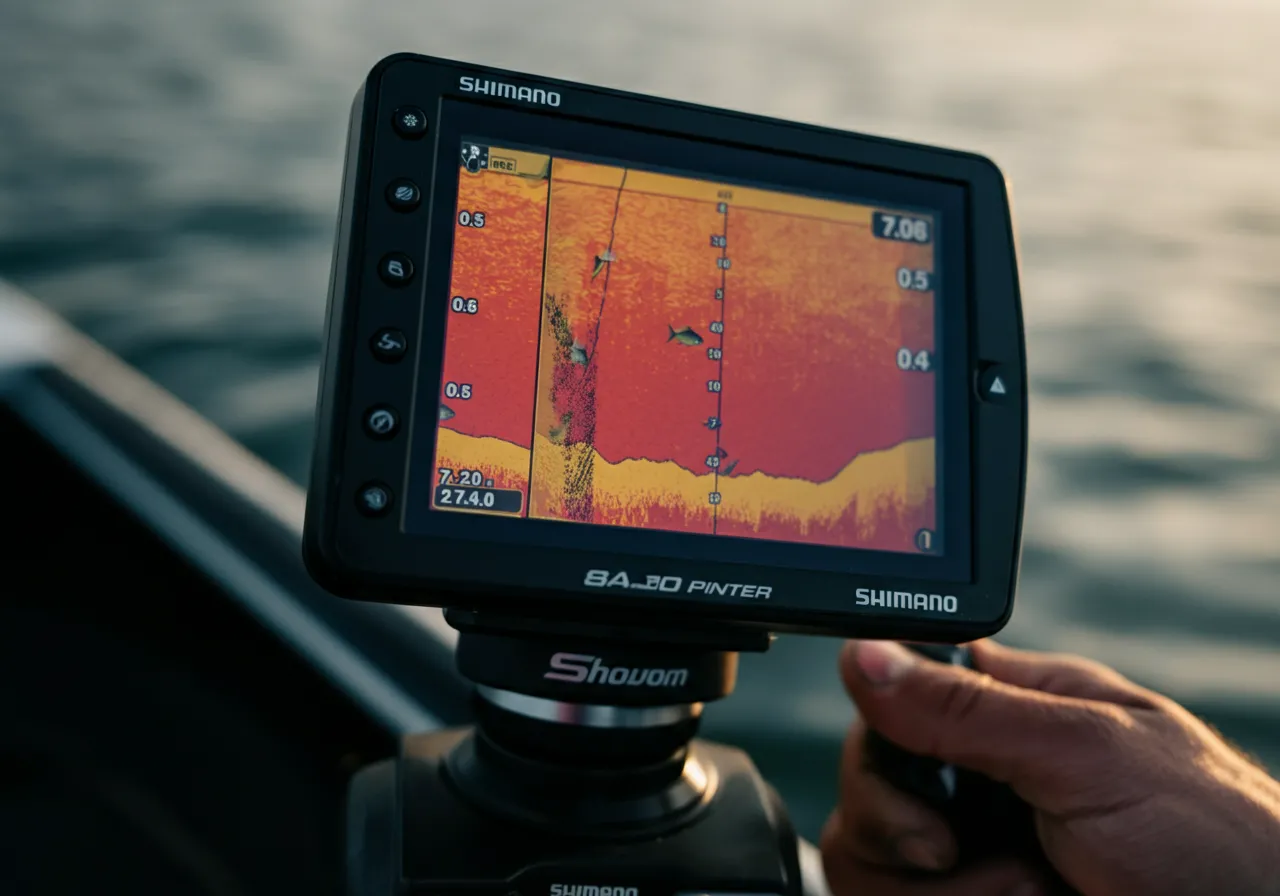
Shimano: The Benchmark of Refinement
Shimano’s reputation is built on silky smoothness and durability. Their proprietary technologies, like the Hagane body and MicroModule gearing, are about eliminating friction and play. When you turn the handle on a high-end Shimano, it feels like spinning a bearing in oil. There’s a seamless, almost effortless quality. Their drag systems (like the Cross Carbon Drag) are famously consistent and powerful. If your priority is a reel that performs flawlessly with minimal maintenance and a “set it and forget it” reliability, Shimano is often the go-to.
Daiwa: The Innovator’s Playground
Daiwa thrives on technological innovation and angler-centric features. They were pioneers in magnetic spool control (Magforce) for baitcasters and the revolutionary T-Wing system on spinning reels that reduces line twist. Daiwa reels often provide more tactile feedback—you can *feel* the lure working and the bottom composition. Their Zaion and Carbon Composite materials make for incredibly lightweight yet strong frames. If you love tweaking settings, value cutting-edge tech, and want a direct connection to your lure, Daiwa speaks your language.
Step-by-Step: How to “Test Drive” a Reel Before You Buy
Don’t just read specs online. Go to a tackle shop and do this:
- The Handle Crank: Crank the handle slowly. Feel for any grit, hesitation, or “dead spots.” It should be uniformly smooth.
- The Drag Test: Engage the drag. Pull line off the spool with steady pressure. It should engage smoothly without jerking or chattering. Listen for a consistent sound.
- The “Wiggle” Check: On a baitcaster, gently try to wiggle the spool side-to-side. There should be almost no lateral play. On a spinning reel, check for play in the rotor.
- Weight & Balance: Hold it. Imagine it on your rod. Does it feel like an extension of your arm, or is it clunky?
Budget vs. Pro: Finding Your Tier
Both brands excel at different price points. This table breaks down where to look.
| Price Tier | Shimano Standout | Daiwa Standout | Best For |
|---|---|---|---|
| Budget ($50-$100) | Shimano Sienna, Nexave | Daiwa Revros, Legalis | Beginners, backup reels, ultra-light setups. Great value. |
| Mid-Range ($100-$250) | Shimano Nasci, SLX DC | Daiwa Fuego, Tatula | The serious weekend angler. Where core technologies debut. |
| High-End ($250+) | Shimano Stradic, Curado, Metanium | Daiwa Ballistic, Exist, Steez | Tournament pros and enthusiasts where marginal gains matter. |
Honest Pros and Cons
Shimano Pros & Cons
- Pros: Legendary smoothness and refinement. Industry-leading drag systems. Incredible durability with simple maintenance. Strong resale value.
- Cons: Can be more expensive for equivalent tech. Some anglers find their feel “almost too smooth,” lacking direct feedback. Fewer radical design changes.
Daiwa Pros & Cons
- Pros: Pioneering innovation (Magforce, T-Wing). Often lighter weight. Excellent ergonomics and tactile feel. Typically strong value in the mid-range.
- Cons: Some complex systems can require more specific maintenance. In the past, some lower-tier models used more plastic gears (though this has improved dramatically).
Your Shimano vs Daiwa Questions, Answered
Which brand is more durable?
Both are exceptionally durable when maintained. Shimano has a slight edge in reputation for surviving outright neglect, but a well-cared-for Daiwa will last just as many seasons.
I’m a beginner. Which is easier to use?
For a spinning reel, both are great. For a baitcaster, a Daiwa with their Magforce-Z braking or a Shimano with their SVS Infinity (like on a Curado) are fantastic. However, Shimano’s DC (Digital Control) baitcasters (like the SLX DC) are arguably the most beginner-friendly, as the computer chip prevents backlashes.
Which brand holds its value better?
Shimano typically has a slight edge in resale value, especially for their flagship models. A used Stella or Metanium in good condition still commands a high price.
The battle of Shimano versus Daiwa has no single winner. It’s about the angler holding the rod. Your hands will tell you which partnership feels right. Go to a shop, put them through the paces, and choose the tool that gives you the most confidence. Because when that next giant thumps your lure, the last thing you should be worrying about is your gear.
Ready to match your new reel to the perfect rod? Explore our other in-depth guides on rod actions, techniques, and species-specific setups to complete your ultimate combo.