Swimbaits Hard vs Soft

You’ve seen the videos. The heart-stopping, slow-motion explosion as a giant bass engulfs a swimbait. You buy one, make a few casts, and… nothing. The frustration is real. Was it the color? The retrieve? Or did you choose the wrong type of swimbait entirely? The divide between hard and soft swimbaits is where many anglers get stuck, throwing a tool they don’t fully understand at a problem they haven’t diagnosed.
Disclaimer: This guide is based on my two decades of guiding and tournament fishing. Always check your local regulations. Some links may be affiliate links, but I only recommend gear I’ve personally trusted on the water.
The Angler’s Dilemma: Precision Tool or Versatile Workhorse?
Think of your tackle box like a mechanic’s toolbox. You wouldn’t use a sledgehammer to fix a watch, and you shouldn’t use a finesse swimbait to hunt in muddy, flooded timber. The core choice between hard and soft swimbaits isn’t about which is “better”—it’s about matching the right tool to the job. One is a precision-crafted instrument; the other is an adaptable, convincing replica of life.
The Science of the Swim: Triggering the Strike
Predator fish like bass, pike, and muskies don’t just eat for sustenance; they strike out of opportunity, irritation, or instinct. A swimbait’s job is to exploit one of these triggers. A hard swimbait—often jointed—creates a distinct vibration and “knock” as it swims. This is like hearing the specific, irregular footsteps of an injured prey fish. It sends a clear sonic message through the water: “Easy meal here.”
A soft plastic swimbait works on a different level. Its action is more fluid and natural, and its body compresses on the strike, feeling more like real flesh in a fish’s mouth. This is the visual and tactile deception. It’s not just about sounding like food; it’s about feeling like food the moment the predator bites down, increasing hook-up ratios.
Safety, Legality, and Conservation: The Foundation
Before we talk lures, we have to talk responsibility. No trophy is worth a tragedy. Always wear your PFD, especially when focusing on the precise casts and retrieves swimbait fishing demands. Check the weather before heading out; wind can make managing larger swimbaits difficult.
In the United States, a fishing license is non-negotiable. Regulations vary by state and often by waterbody. It is your duty to know the rules for where you are fishing, including size and bag limits for your target species. For the most accurate and current information, always refer directly to your state’s wildlife agency. For a national directory, you can visit the U.S. Fish & Wildlife Service’s fishing page to find links to your state’s regulations.
When targeting large fish with large baits, practice ethical catch and release. Keep fish wet, support their weight horizontally, and use pliers to quickly remove hooks. These giants are the future of the fishery.
The Gear Guide: Hard Body vs. Soft Plastic Swimbaits
Hard Body Swimbaits: The Precision Imitators
These are typically made of wood or plastic, have multiple joints, and often feature detailed paint jobs. They excel in clear water and when fish are keyed in on specific forage like trout, perch, or shad.
- Best For: Clear water, suspended fish, “reaction strike” scenarios.
- Retrieve: A steady, medium-slow roll is often key. The bait’s built-in action does the work. Occasional pauses or speed-ups can trigger follows.
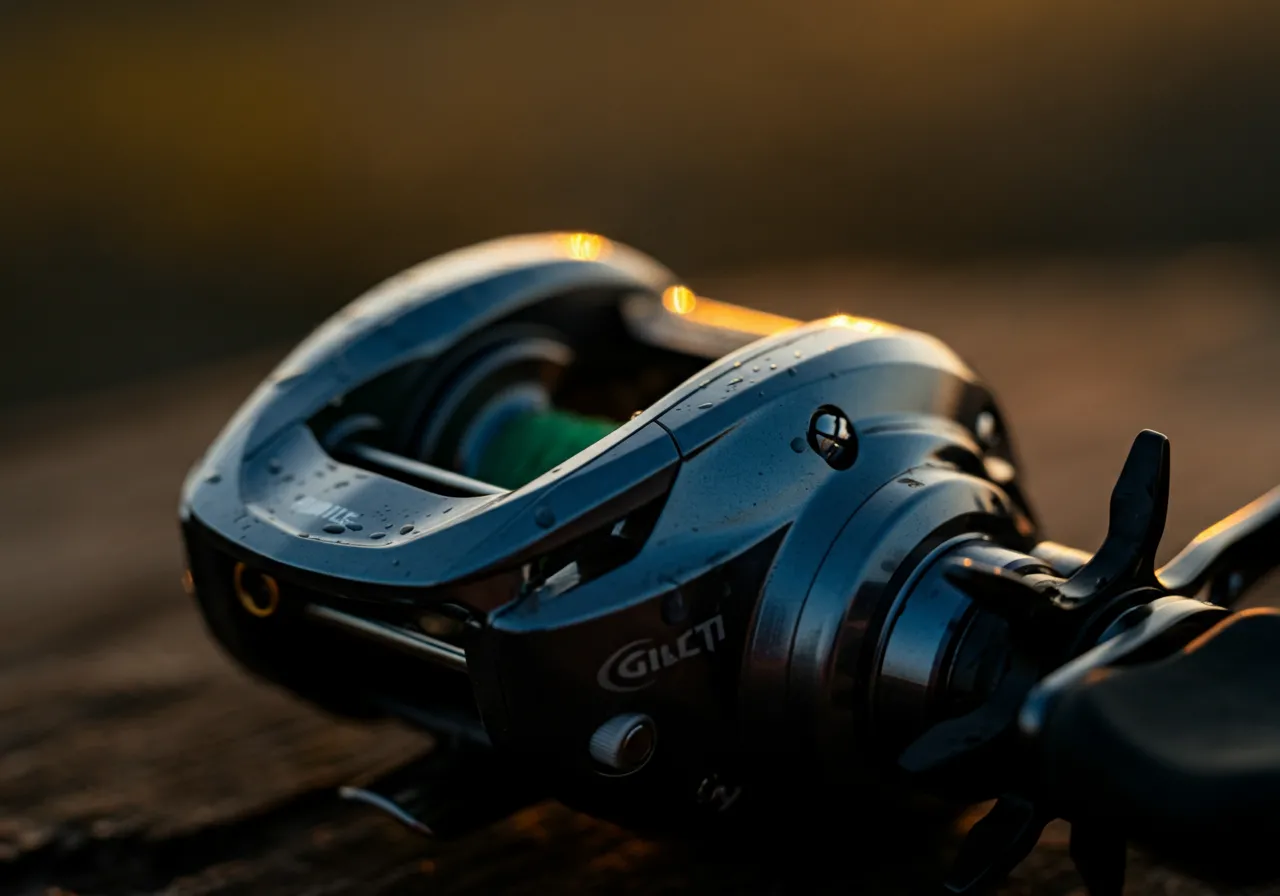
- Gear Needed: A stout, heavy-action rod (7’6″ to 8′ common), a high-capacity baitcasting reel with a strong drag, and heavy braid (65-80 lb) or fluorocarbon (20-25 lb) to handle the weight and power of big fish.
Soft Plastic Swimbaits: The Adaptive Predators
Usually made of soft PVC or similar material, these range from small 3-inch baits to massive 10-inch offerings. They are rigged on weighted hooks (jigheads) or in a “weedless” style for heavy cover.
- Best For: Dirty water, fishing heavy cover (grass, wood), bottom-contouring, and budget-conscious anglers.
- Retrieve: Incredibly versatile. Can be burned over grass, slow-rolled along bottom, or yo-yoed. The “kill pause” after a change in direction is a deadly trigger.
- Gear Needed: More flexible. A 7′ to 7’6″ medium-heavy rod works for most applications. A reliable baitcaster with 50-65 lb braid (often with a fluorocarbon leader) provides strength and sensitivity.
| Feature | Budget-Friendly Approach | Pro-Grade Dedication |
|---|---|---|
| Hard Swimbait Example | Composite jointed minnow (e.g., S-Waver 168) | Hand-painted, wood multi-joint (e.g., Deps 250, Roman Made Negotiator) |
| Soft Swimbait Example | Pack of 5″ paddle-tail swimbaits on 1/2 oz jigheads | Premium hand-poured soft baits on custom-weighted beast hooks |
| Primary Advantage | Low-risk way to learn techniques and actions. Great for searching. | Ultra-realistic action and finish. Often has unique “hunting” actions that trigger giant fish. |
| Durability | Moderate. Hard baits can crack; soft baits tear. | High on hard baits. Soft baits are still consumable, but often higher-quality plastic. |
| Cost Consideration | $10 – $25 per bait. Allows you to own multiple colors/sizes. | $50 – $300+ per bait. An investment in specific, trophy-hunting scenarios. |
Step-by-Step: Mastering the Soft Swimbait Retrieve
Let’s get you catching. The soft swimbait is the most accessible entry point. Here’s how I teach clients on my boat:
- Rigging: Choose a jighead weight that allows you to maintain contact with the bottom or desired depth. Thread the swimbait onto the hook straight; a bent spine kills action.
- The Cast: Aim for transitions—where rock meets sand, grass meets open bottom. Let the bait sink to your target depth.
- The Retrieve: Engage your reel and start a steady, medium-paced crank. Feel the paddle tail thumping through your rod.
- The Trigger: Every 3-4 cranks, sharply sweep your rod tip to the side, then pause for a one-count. This mimics a fleeing, then stunned baitfish. 90% of strikes come on that pause.
- The Hookset: When you feel weight, drop your rod tip slightly to load up, then set the hook hard with a powerful, sweeping motion.
Honest Pros and Cons
Hard Swimbaits:
Pros: Unmatched vibration/sound profile; extremely durable; often has a unique “hunting” action; great for clear water.
Cons: Expensive; can be intimidating to throw; less effective in heavy cover; poor hook-up ratio if not tuned perfectly.
Soft Swimbaits:
Pros: Highly versatile; affordable (baits are replaceable); excellent hook-up ratio; ideal for dirty water and heavy cover.
Cons: Not as durable (one fish can tear a bait); generally less distinct sound profile; can require more rod work to achieve action.
Swimbait FAQ
Q: What size swimbait should I start with?
A: For bass, start with a 4-5 inch soft paddle tail on a 3/8 oz jighead. It’s a manageable size that catches numbers and giants.
Q: Do I need a special rod for swimbaits?
A: For baits over 1 oz, yes. A dedicated swimbait rod (heavy power, moderate-fast action) loads properly for casting and provides the backbone for solid hooksets without ripping the bait away.
Q: Best line for soft swimbaits in cover?
A: I run 50-65 lb braid to a 15-20 lb fluorocarbon leader. The braid cuts through grass, and the FC leader is abrasion-resistant and less visible.
Ready to dive deeper into specific techniques? Explore our other guides on reading water like a pro and essential bass fishing rigs to round out your skills.
The Bottom Line
Choose hard swimbaits when you need a precise, sonic calling card in open or clear water. Choose soft swimbaits as your versatile, cover-busting workhorse for active fishing and search baits. Start soft to learn the fundamentals, then invest in a quality hard bait for those perfect, high-visibility days. Remember, the best swimbait is the one you have confidence in—and the one that matches the conditions under your boat.