Removing a Hook from Skin

You’re focused, making the perfect pitch under an overhanging branch. The lure sails, but a sudden gust or a misjudged backcast sends it veering—right into your hand, your arm, or worse. The sudden, sharp sting and the surreal sight of a treble hook embedded in your own skin is a moment every angler dreads. It’s not a matter of *if*, but *when*. In that moment, panic is your biggest enemy. Knowing exactly what to do is your greatest asset.
Disclaimer: This guide is for informational purposes from an experienced angler and is not a substitute for professional medical advice. Always seek immediate medical attention for deep, complex, or facial hook injuries, or if you are unsure. This article may contain links to recommended products; we are a participant in affiliate advertising programs designed to provide a means for us to earn fees.
The Science of the Sting & The “Zipper” Analogy
Why is a hook so difficult and painful to remove? It’s designed to penetrate and hold. The barb—that tiny backward-facing point—acts like a one-way valve. Pulling directly backward only wedges it deeper, tearing tissue. Think of it like a zipper. Pulling straight back on the zipper pull when the fabric is caught just jams it tighter. To free it, you need to reverse the path of entry, or create a new, cleaner path that avoids the barb entirely. Your goal isn’t to “unhook” yourself the way you’d unhook a fish; it’s to perform a controlled, minimally invasive extraction.
Safety First: Before You Even Think About Removal
Your immediate reaction sets the stage. Stop. Breathe. Do not yank. Assess the situation calmly, just as you would assess water conditions before casting.
- Secure Your Surroundings: Ensure you are stable and won’t fall. If on a boat, sit down. Have your fishing partner take control of the boat and any other gear.
- Control Bleeding: Apply gentle, direct pressure around (not on) the hook with a clean cloth. Most hook wounds bleed surprisingly little.
- Disinfect: Once the hook is out, clean the wound thoroughly with soap and clean water, or an antiseptic wipe. Apply an antibiotic ointment and a sterile bandage. A tetanus shot is crucial if yours isn’t up-to-date (within the last 5-10 years).
- Know When to Fold ‘Em: Go straight to a doctor or urgent care if: the hook is in a joint, near an eye or other sensitive area, deeply embedded, or if you see signs of infection (increasing redness, swelling, pus).
Part of being a responsible angler is knowing your limits. Just as you respect fishing license regulations and size and bag limits to conserve the fishery, you must respect your body’s limits in an injury. For state-specific health and safety resources related to outdoor activities, a good authority is your state’s public health department, such as the California Department of Public Health.
The Step-by-Step Guide: Two Proven Removal Methods
For a simple, superficial hook where the point and barb are visible under the skin, you have two primary techniques. Have a partner help if possible.
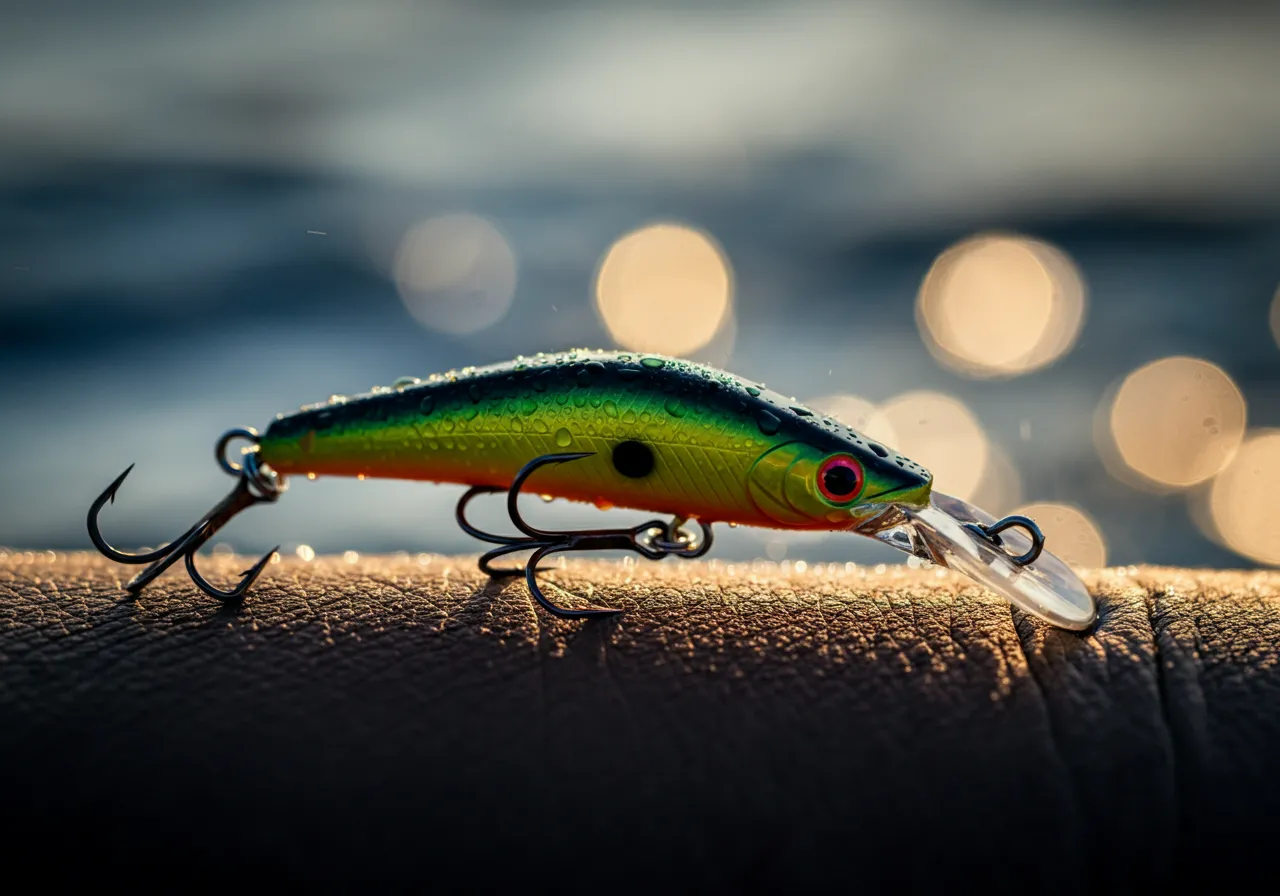
Method 1: The String-Yank Technique (Best for Smaller Hooks)
This method uses inertia to pull the hook out along its original path before the barb can engage.
- Prepare: Cut off any bait or lure from the hook eye. Tie a strong, smooth line (12-20 lb mono works) to the hook bend (the curved part).
- Position: With your free hand, press down on the hook shank (the straight part). This disengages the barb from tissue.
- The Move: Hold the line taut in the direction of the hook’s original entry angle. With a quick, sharp, and decisive jerk—like you’re starting a lawnmower—pull parallel to the skin. The hook should pop cleanly out.
Method 2: The Advance-and-Cut Technique (Most Reliable & Controlled)
This is my go-to method. Instead of fighting the barb, you defeat it by removing it from the equation.
- Prepare: Sterilize the hook and skin area if possible. Have wire cutters or heavy-duty fishing pliers ready.
- Advance the Point: Grasp the hook shank firmly with pliers. Gently push the hook slightly forward along its natural curve until the barbed point protrudes through the skin.
- Cut the Barb: Using your cutters, snip off the barbed point. Now you have a smooth, barbless hook.
- Reverse: Simply back the now-barbless hook out the way it came in. This causes minimal additional tissue damage.
Gear for the Job: Be Prepared
Having the right tools in your kit turns a crisis into a manageable procedure. Here’s a comparison:
| Tool | Budget/Backup Option | Pro/Recommended Option | Why It Matters |
|---|---|---|---|
| Pliers/Cutters | Standard multi-tool pliers | Split-ring/Hook disgorger pliers with built-in cutters (e.g., Boomerang Tool) | Pro tools offer superior leverage, finer tips for gripping, and cutters designed for hardened hook wire. |
| First-Aid Kit | Basic adhesive bandages & antiseptic wipes | Adventure Medical Kits or similar, with hemostatic gauze, butterfly closures, and irrigation syringe. | A serious kit handles heavy bleeding and proper wound cleaning far from help. |
| Line for Yank Method | Spare monofilament from your reel | 20-30 lb Braided Line | Braid has zero stretch, transferring the full “yank” force instantly and cleanly. |
Pros, Cons, and Honest Advice
Pros of Knowing These Techniques: They can resolve a painful situation quickly, get you back to fishing, and prevent a minor injury from ruining a trip. They empower you to stay calm and help others.
Cons & Risks: If done incorrectly, you can cause significant tissue damage, drive the hook deeper, sever a nerve or tendon, or cause a serious infection. The psychological hurdle of pushing a hook through your own skin is real.
My Take: I’ve used the advance-and-cut method on myself twice in 20 years. Both times were on remote Canadian fly-in trips. Knowing the procedure made it a 60-second inconvenience instead of a trip-ending emergency. Practice on an orange or a piece of foam to build muscle memory for the motions.
Hook Removal FAQ
What if the hook is buried deep and I can’t see the point?
Do not probe for it. This is a job for a medical professional with imaging equipment and local anesthetic. Trying to remove it yourself risks severe damage.
Should I crush the barb before fishing to prevent this?
Many ethical catch-and-release anglers do this, and it makes extracting a hook from fish—or yourself—trivial. It does slightly reduce your hook-up ratio, but the trade-off for fish survival and personal safety is worth it for many.
How do I handle the pain during removal?
A quick, decisive motion is less painful than slow, hesitant pressure. For the advance-and-cut method, a instant ice pack on the area for 60 seconds first can numb it slightly. But remember, pain is a signal—if it’s extreme, stop and seek help.
Accidents on the water happen to everyone. By preparing your mind and your tackle box, you transform a scary situation into one you can handle. Stay safe, fish hard, and always respect the power of the gear in your hands.
Want to build a safer, more effective tackle box? Browse our other guides on essential fishing gear and on-the-water techniques to become a more confident and capable angler.