Pike Ice Fishing with Dead Bait

You’ve drilled your holes, set your tip-ups, and waited for hours. The flag finally flies up, your heart pounds… but when you pull the line, it’s just a mangled minnow. The pike stole your bait without you ever feeling a thing. Sound familiar? This is the classic frustration of ice anglers targeting Northern Pike with live bait. There’s a better way. By switching to a strategic dead bait presentation, you can turn those frustrating “drive-by” bites into solid, undeniable hook-ups.
Disclaimer: This guide is based on my two decades of experience on the ice. Always check your local state regulations for specific rules on bait, hook types, and harvest limits. Safety is your #1 priority—no fish is worth risking your life. I may earn from qualifying purchases through affiliate links, but I only recommend gear I’ve personally trusted on the ice.
The Science of the Slab: Why Dead Bait Works
Many anglers think a lively minnow is the ultimate pike trigger. But in the low-light, slow-metabolism world under the ice, a big Northern is an opportunistic scavenger as much as a predator. A large, dead baitfish presents an irresistible combo: a massive, easy meal with zero fight. Think of it like the difference between chasing a rabbit and finding a perfectly cooked steak. The chase instinct is replaced by a pure, lazy-feeding response. The key is in the presentation—making that dead bait appear natural and vulnerable.
Safety, Legal & Ethical Ice Angling
Before we talk rigs, we must cover the non-negotiables. Ice safety is paramount. Never go out alone, always check ice thickness with a spud bar (a minimum of 4 inches of clear ice for foot travel), and tell someone your plans. Carry ice picks around your neck. Weather changes fast; check a trusted source like the National Weather Service before heading out.
Legally, you must possess a valid fishing license for the state you are in. Regulations on pike fishing, especially concerning bait size, hook restrictions (some waters require non-offset circle hooks), and bag limits, vary wildly. It is your responsibility to know the rules. Ethically, consider practicing selective harvest. Release larger, breeding-size pike to sustain the fishery. Handle fish quickly and gently, supporting their body horizontally, and get them back down the hole promptly.
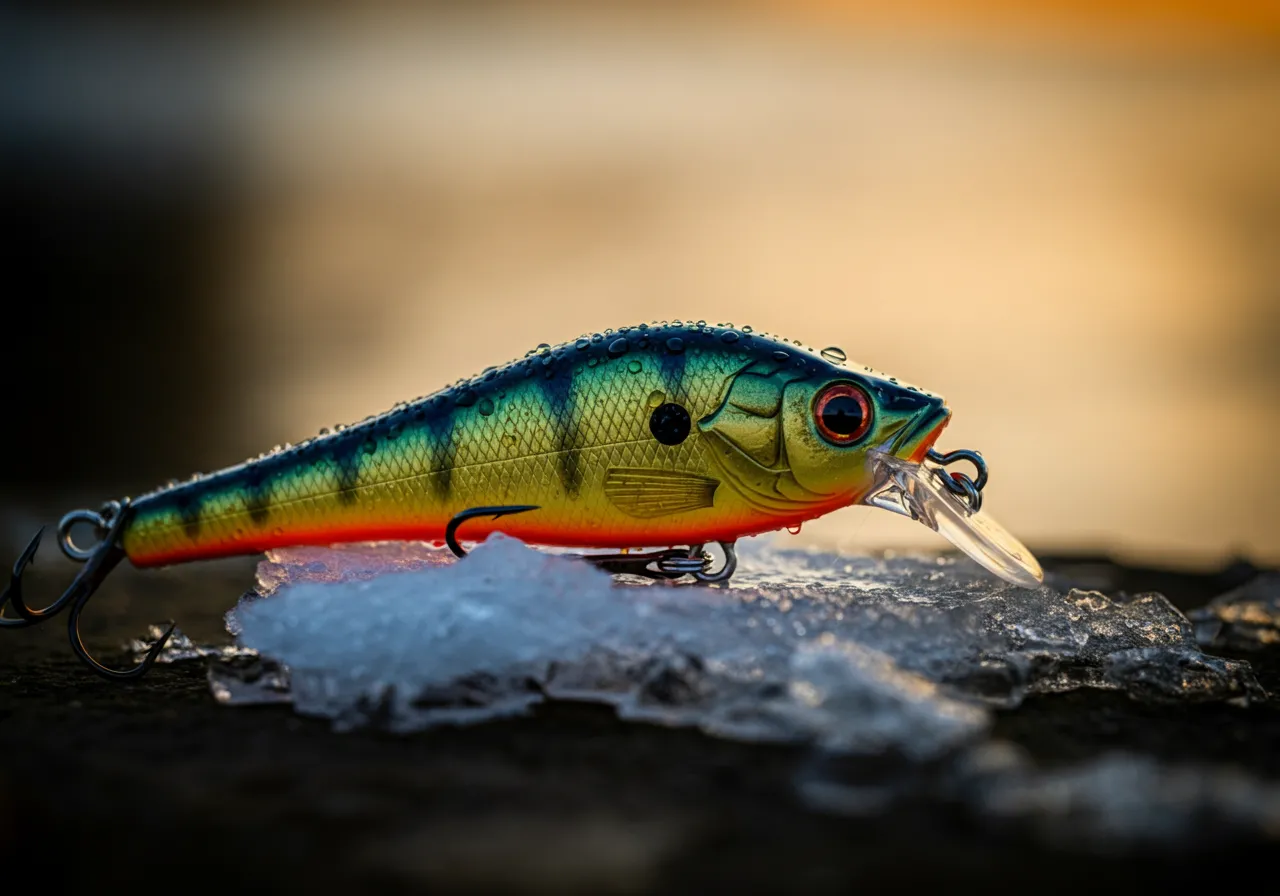
The Dead Bait Arsenal: Rigging for Success
This isn’t about just hooking a dead shiner. It’s a precise system designed for detection and hook-setting efficiency.
Step-by-Step Quick-Strike Rig Setup
- Gather Your Components: You’ll need a wire leader (12-18 inch, 30-50 lb test), two treble hooks (size 4 to 2/0, depending on bait size), and beads or quick-change clevises.
- Tie the Main Leader: Attach your wire leader to your main line (I prefer 20-30 lb braid for zero stretch) using a small swivel. This prevents line twist.
- Position the Hooks: The first treble hook is fixed about 1/3 of the way from the head of your bait (sized to your baitfish). The second treble hook is positioned near the tail, often on a short, separate loop of wire. The goal is to have both hooks lie flat against the baitfish’s body.
- Hook Placement: Insert the front hook through the bait’s mouth or just behind the skull. The rear hook should be placed at the base of the tail or just ahead of the dorsal fin. The bait should hang straight and natural.
The Presentation & Wait
Lower your rigged bait to the desired depth—often 1-3 feet off the bottom, or suspended near weed lines. Use a depth finder. Set your tip-up or rod in a holder with the drag slightly loose. The magic of the quick-strike rig is that when a pike picks up the bait, you can set the hook immediately, rather than waiting for it to “swallow” the bait. This results in more hooked fish and dramatically higher survival rates for released pike.
Gear Showdown: Budget Conscious vs. Pro-Grade Setup
| Gear Component | Budget-Friendly Choice | Pro-Grade Advantage |
|---|---|---|
| Rod/Reel Combo | Medium-Heavy Ice Combo (Fiberglass) | Specific Pike Ice Rod (Graphite) with a larger, smooth-drag reel. |
| Main Line | 20 lb Monofilament | 20-30 lb Superline Braid (Zero stretch for sensitive hook sets). |
| Tip-Ups | Classic Wooden Cross-Style Tip-Up | Thermal Tip-Up (Prevents hole freeze) with a high-visibility flag. |
| Bait | Large Dead Shiners or Suckers | Premium Frozen Ciscoes or Smelt (Oil-rich, larger profile). |
| Auger | 6-inch Hand Auger | 8-inch Lithium Power Auger (Speed for drilling multiple holes). |
I started with a hand auger and mono line. It works. But when I finally invested in a power auger and braided line, my hook-up ratio on ice fishing for pike increased because I could drill more holes to find fish and feel the slightest tension change.
The Honest Take: Pros & Cons of Dead Bait Ice Fishing
Pros:
- Superior Hook-Up Ratio: Quick-strike rigs allow for immediate sets.
- Less Mess & Hassle: No dealing with live bait buckets in freezing temps.
- Targets Larger Pike: Big baits filter out smaller, nuisance fish.
- Excellent for Scavengers: Triggers pike in a negative or neutral feeding mood.
Cons:
- Less Action: No struggling live bait to initially attract attention.
- Can be Less Effective in Early Ice: When pike are most aggressive, live bait can outperform.
- Requires Precision: Poorly rigged dead bait looks like… a dead thing. Presentation is key.
Dead Bait for Pike Ice Fishing: Your Questions Answered
What’s the best dead bait for ice fishing pike?
Large (6-10 inch) baitfish like suckers, shiners, ciscoes, or smelt. Oil-rich species like ciscoes leave a stronger scent trail. Match the hatch to what’s in your lake.
How deep should I fish dead bait for pike through the ice?
Start just off the bottom in 8-15 feet of water, especially near any remaining green weed beds. If you’re not getting bites, don’t be afraid to experiment by suspending bait higher.
Do I need a special license for ice fishing?
You need a standard state fishing license. However, some states require a separate “ice fishing” endorsement or have specific regulations for tip-ups (like a limit on the number of lines). Always check your state’s Department of Natural Resources website.
Mastering pike fishing through the ice with dead bait is about understanding the winter predator’s mindset. It’s a game of patience, precision, and presentation. Give this method a shot on your next outing, and you might just find your flag flying with a trophy on the other end. For more in-depth tactics on locating winter pike, check out our other guides on reading underwater structure.
Summary
Dead bait ice fishing for Northern Pike uses large, dead baitfish rigged on a quick-strike system to trigger opportunistic strikes from large, often sluggish, winter pike. It increases hook-up ratios, is less messy than live bait, and, when paired with proper safety practices and legal compliance, is a highly effective cold-weather strategy for targeting trophy fish.