Gulp vs Live Bait Test

You’ve spent the morning meticulously rigging live minnows, only to watch them get picked apart by panfish or stolen without a hookup. Frustrated, you glance at your tackle box and the jars of Gulp! bait. You wonder: “Is this scented stuff just a marketing gimmick, or can it truly compete with the real deal?” I’ve been there. For over 20 years, I’ve guided clients from the bass lakes of Texas to the inshore flats of Florida, and this debate is as old as soft plastics themselves. Let’s settle it with a real-world, on-the-water test, not just theory.
The Science of Scent: It’s Not Magic, It’s Biology
Think of a fish’s world like a dark, murky room. Sight is limited. Sound and vibration get their attention, but scent is the invitation to dinner. Live bait works because it releases a constant, natural scent trail and emits subtle life-like vibrations. Gulp and other premium scented baits aim to replicate this by saturating a soft plastic with amino acids and attractants. The key difference? Gulp is a constant. It doesn’t stop “leaking” scent, while a dead or lethargic live bait’s output fades. In cold water or low-light conditions where fish are hunting by smell, this can be a decisive advantage.
Safety, Legality & Conservation: The Foundation of Every Trip
Before we talk tactics, let’s cover the non-negotiables. No bait choice matters if you’re not fishing legally or safely.
- License First: A valid fishing license is required in all 50 states. Regulations vary wildly, especially concerning the use of live bait. Some waters prohibit certain species (like live crayfish or baitfish) to prevent invasive species spread. Always check your state’s specific regulations. A great resource is the U.S. Fish & Wildlife Service, which can direct you to your state’s agency.
- Weather Wisdom: Bait testing often means long hours in one spot. Always check the marine or lake forecast. A sudden squall can turn a pleasant day dangerous. Wear your PFD—it’s your most important piece of gear.
- Ethical Handling: Whether using live bait or artificial, handle fish with wet hands to protect their slime coat. Have a plan for your catch before you land it—quick release or a prepared cooler.
The Field Test: How to Rig and Fish Gulp vs. Live Bait
This isn’t about just tying on a different bait. To test fairly, you must optimize each presentation for its strengths.
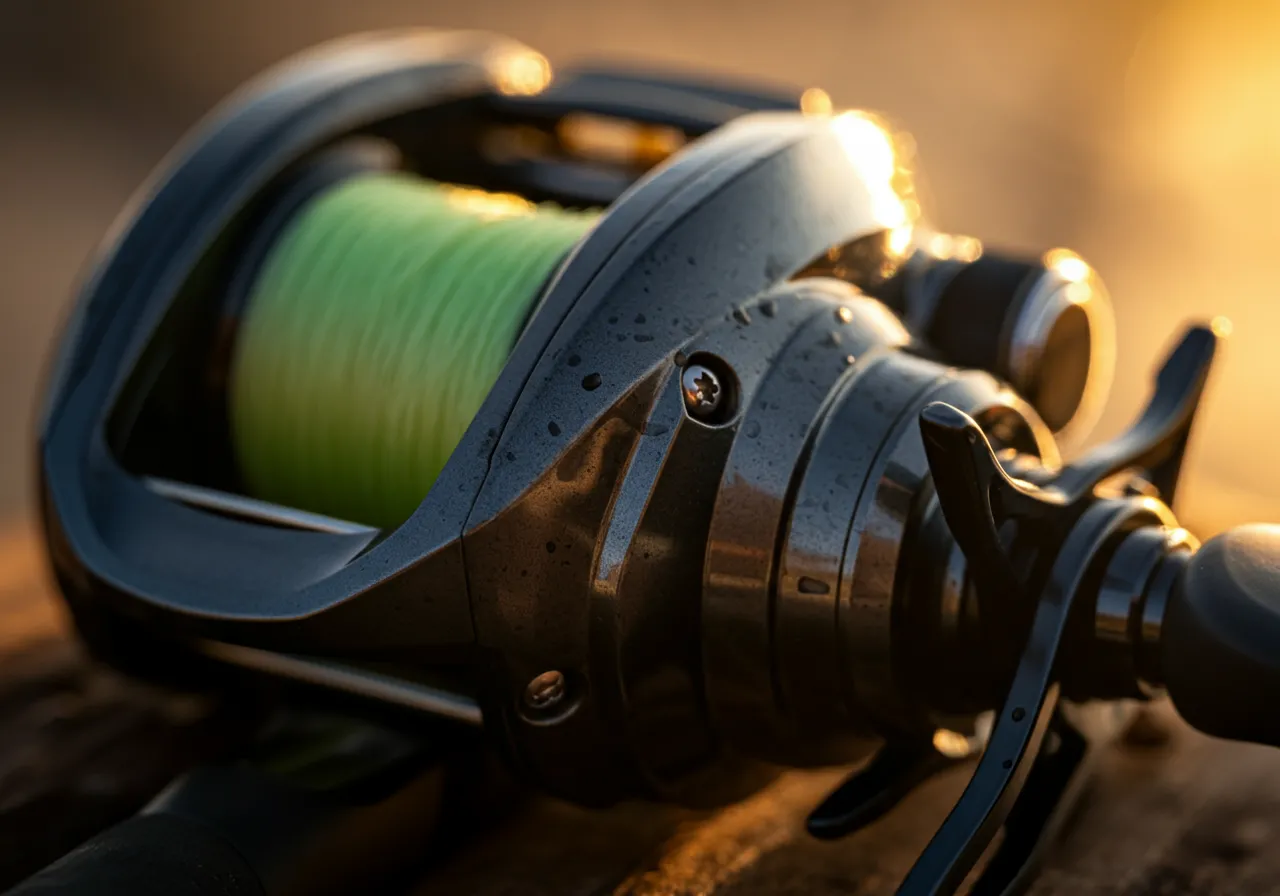
Live Bait Rigging (The Finesse Approach)
- Hook Selection: Use a thin-wire, sharp hook (like a circle hook or Aberdeen) matched to the bait size. Thick hooks kill bait faster.
- Presentation is Key: Hook minnows through the lips or just ahead of the dorsal fin for natural swimming. For worms, a single hook pass keeps them lively. The goal is a natural, struggling presentation.
- Gear: Use a lighter rod with a sensitive tip to detect subtle takes without pulling the bait away from the fish.
Gulp Bait Rigging (The Persistent Approach)
- Out of the Jar: Gulp baits are soft and can tear. Handle them directly from the juice and keep the jar sealed to prevent drying.
- Hook & Forget: Rig them just like their non-scented counterparts—on a jighead for swimbaits, weightless for worms, or on a dropshot hook. The scent does the work, so you can often use a slightly heavier, more durable hook.
- The “Recharge”: If a Gulp bait dries out or loses potency, simply dip it back in the jar’s liquid to “recharge” it. This is a huge advantage over a dead shiner.
Head-to-Head Comparison: The Honest Breakdown
| Factor | Live Bait | Gulp & Sented Artificials |
|---|---|---|
| Initial Cost & Convenience | Higher per trip. Requires a livewell or bait bucket. Must be purchased/caught day-of. | Lower long-term cost. Stored in tackle box, ready 24/7. |
| Durability & Longevity | Low. Easily stolen, dies, or requires constant maintenance. | High. One Gulp minnow can catch multiple fish. Tough against panfish. |
| Scent & Attraction | 100% natural, but variable. Stops when bait dies. | Consistent, high-output scent trail that never quits. |
| Action & Presentation | Inherently natural when healthy. Requires skill to keep alive. | Depends on angler imparting action. Excellent for slow, finesse presentations. |
| Best For… | Finicky, sight-feeding fish in clear water. When fish want a perfect, natural profile. | Cold fronts, stained water, deep water, or high-pressure situations where scent is king. Also, species like catfish or sheepshead. |
The Verdict: Pros, Cons, and My Go-To Choice
Live Bait Pros: Unbeatable natural action and profile. The ultimate confidence bait for tough, clear-water conditions. Often the only choice for certain species (e.g., tarpon with live crabs).
Live Bait Cons: Messy, inconvenient, expensive over time. Ethical concerns about disposal and invasives. Performance plummets when the bait dies.
Gulp Bait Pros: Unmatched convenience and durability. Consistent scent output wins in low-visibility scenarios. Catches fish that are short-striking live bait. Perfect for the angler who wants to fish now, not chase bait.
Gulp Bait Cons: Requires battery-powered action from the angler. The “artificial” profile can spook fish in ultra-clear, shallow water. The scent juice can be messy.
My Take: I haven’t bought live bait for a personal fishing trip in years, except for specific trophy hunts. For 90% of my fishing—from bass to walleye to inshore saltwater—Gulp is in my rotation. It’s not that it’s always better, but its reliability, consistency, and convenience make it an indispensable tool. I carry it as my “secret weapon” when the live bait guys are struggling.
Gulp vs Live Bait: Your Questions Answered
Q: Does Gulp really work in saltwater?
A: Absolutely. In fact, it’s a legend for species like flounder, redfish, and sheepshead that rely heavily on scent. A Gulp shrimp on a jighead is a flats fishing staple.
Q: How long does the scent last on a Gulp bait?
A: In the water, it’s potent for 15-30 minutes of constant use before I “recharge” it. Out of the jar, they will dry out and lose potency, so keep that lid tight.
Q: Can I mix strategies?
A: You’re thinking like a pro. One deadly tactic is to tip a jig with a piece of live worm or a minnow head, combining the scent of live bait with the durability and action of an artificial. It’s the best of both worlds.
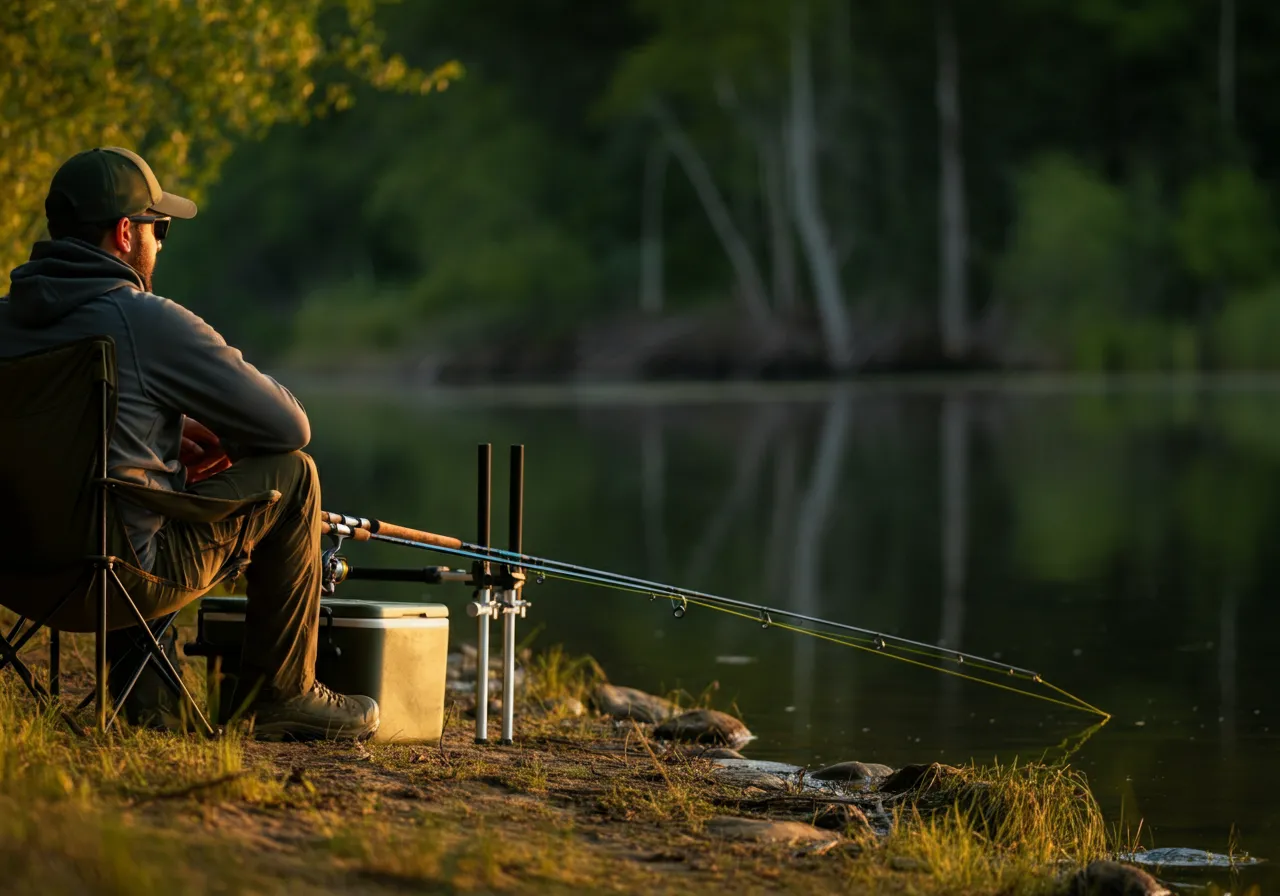
The best angler is the most adaptable one. Don’t get locked into dogma. Put both options in your arsenal, understand their strengths, and let the conditions on the water make the call. Now, get out there and test it for yourself. Check out our other guides on reading water like a road map and advanced finesse techniques to make the most of every bait you throw.
Bottom Line: Gulp isn’t a gimmick—it’s a highly effective, scent-based tool that excels in many conditions where live bait fails. While live bait offers an irreplaceable natural presentation, the convenience, consistency, and durability of premium scented artificials like Gulp make them a must-have for the modern angler.