Winter Bass Fishing Lures Guide

You’re bundled up on the bank or in the boat, making cast after cast into water that looks lifeless. Your summer lures, which once produced explosive strikes, now feel dead in the water. You know the bass are there, but they’re locked down, conserving every ounce of energy. This is the unique challenge—and opportunity—of winter bass fishing. The key isn’t to cover water; it’s to present the right temptation, slowly and precisely, right in front of their noses.
Disclaimer: This guide is based on decades of on-the-water experience. Always check your state’s specific fishing regulations and license requirements. Links to gear are for reference; we are not affiliated with any brand. Your safety is paramount—always wear a PFD, dress for immersion, and be mindful of rapidly changing winter weather.
The Cold Water Mindset: Understanding Winter Bass
Think of a winter bass like a person hibernating on the couch under a blanket. They don’t want to get up and sprint to the front door for a pizza delivery. But if you ring the doorbell and then slide a hot, cheesy slice under the door? That’s an offer too good to refuse. Your lure needs to be that slice of pizza.
Biologically, a bass’s metabolism slows to a crawl in water temperatures below 50°F. They suspend or relate to the last remaining sources of warmth and oxygen—typically the deepest, steepest structure available, like channel swings, bluff walls, or the base of standing timber. They won’t chase. Your presentation must be slow, deliberate, and land in their immediate energy-efficient strike zone.
The Essential Winter Bass Fishing Lure Arsenal
Forget the massive tackle box. Winter fishing rewards the minimalist who masters a few key tools. Here’s your core lineup, ordered from finesse to reaction.
1. The Finesse Jig: Your Winter Workhorse
This is your primary search bait. A compact 3/8 oz or 1/2 oz jig with a small, subtle silicone or hair skirt mimics a crawfish or baitfish hunkered down on the bottom.
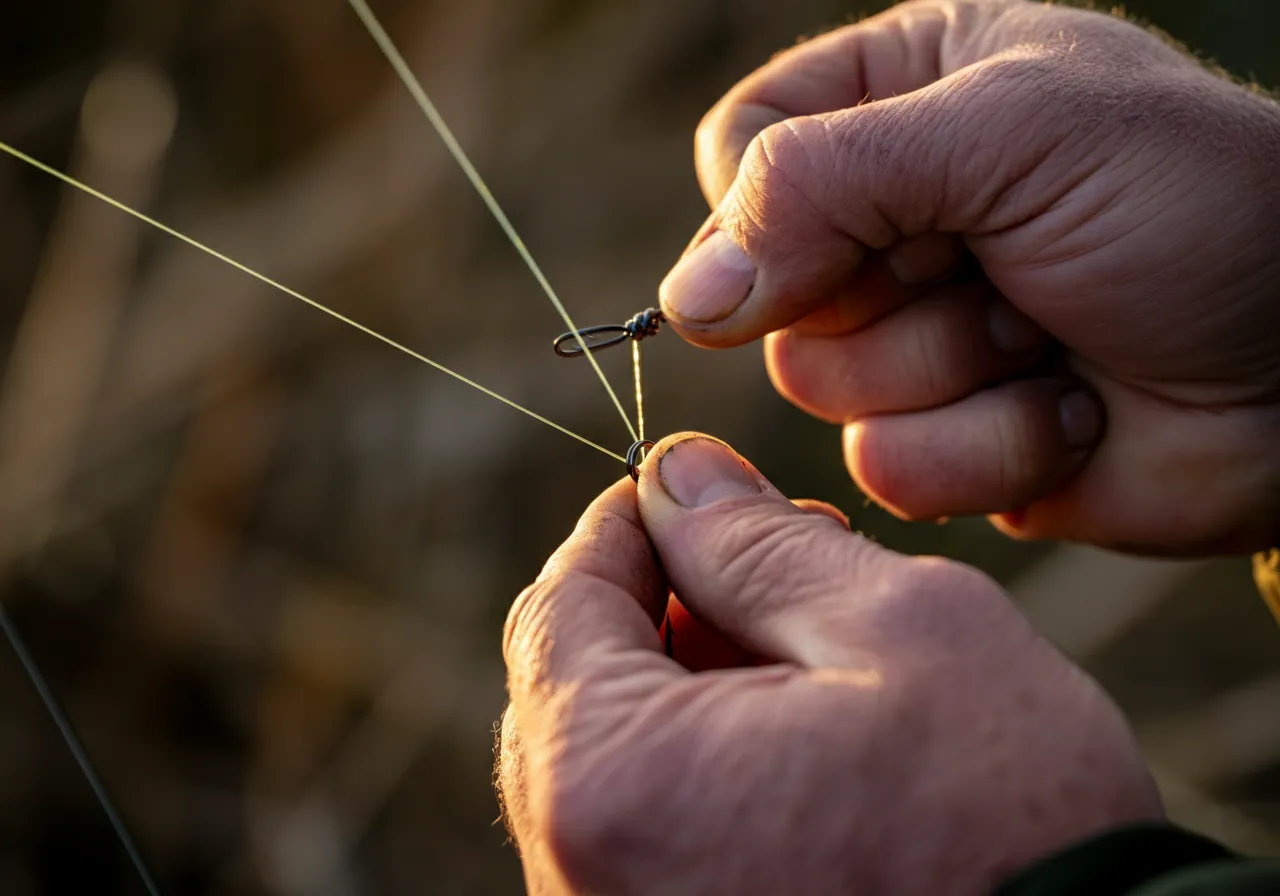
- The Rig: Pair it with a matching finesse trailer like a small craw or a slender plastic minnow. Use 10-12 lb fluorocarbon for invisibility and sensitivity.
- The Retrieve: This isn’t hopping; it’s dragging and dead-sticking. Cast to deep structure, let it sink completely, and then drag it a foot or two with your rod tip. Let it sit motionless for 10-20 seconds. Most strikes come on the fall or during the pause.
2. The Blade Bait: The Vibration Machine
When bass are suspended off the bottom, a blade bait (like a Silver Buddy or Heddon Sonar) is unbeatable. Its tight vibration is like a ringing dinner bell in the quiet, dense winter water.
- The Rig: Straight tie to 8-10 lb fluorocarbon or a light braid-to-fluoro leader.
- The Retrieve: The “Yo-Yo.” Cast out, let it sink to the bottom. Lift your rod tip sharply 2-3 feet, then let it flutter back down on a semi-slack line. Reel up the slack and repeat. Work it through suspended fish on your graph.
3. The Jerkbait: The Suspending Trigger
A suspending jerkbait is the ultimate “in-your-face” presentation for lethargic bass. It hangs motionless in the strike zone, forcing a reaction.
- The Rig: Use a loop knot (like a Rapala Knot) on 8-10 lb fluorocarbon to maximize side-to-side action.
- The Retrieve: “Twitch-twitch-pause.” After the cast, give two sharp twitches with your rod tip, then pause for up to 30 seconds. The longer the pause, the more agonizing the temptation. Be ready for a subtle “tap” on the pause.
4. The Drop Shot: The Ultimate Finesse Tool
When the bite is ultra-tough, the drop shot delivers a wacky-rigged worm or minnow imitation that dances tantalizingly above the bottom.
- The Rig: Tie a small hook (size 1 or 2) 12-24 inches above a sinker on the end of your line. Nose-hook a 4.5″ finesse worm.
- The Retrieve: Simply shake your rod tip with subtle, short movements while keeping the weight on the bottom. It’s a stationary, vibrating meal.
Gear Guide: Budget-Conscious vs. Pro-Tuned
| Category | Budget-Friendly Setup | Pro-Tuned Advantage |
|---|---|---|
| Rod | 7′ Med-Heavy, Fast Action Composite Rod. Good sensitivity for the price. | 7’3″ Med-Heavy, Ex-Fast Graphite Rod. The enhanced sensitivity telegraphs the lightest “tick” of a bite. |
| Reel | 6.3:1 or 7.1:1 Gear Ratio Baitcaster with a reliable drag. | High-Speed (8.1:1) Baitcaster with a carbon drag. Lets you pick up slack quickly on long pauses. |
| Line | 10-12 lb Fluorocarbon Coated Monofilament. A good balance of manageability and low-vis. | Straight 8-12 lb 100% Fluorocarbon. Superior abrasion resistance, near-invisibility, and ultimate sensitivity to feel bottom composition. |
| Electronics | Basic 2D sonar to find depth and major structure. | Live Imaging (LiveScope/Mega Live). Allows you to see individual bass and your lure in real-time, revolutionizing winter targeting. |
Safety, Licenses, and Conservation: The Ethical Angler’s Duty
Winter fishing presents heightened risks. Always wear your life jacket (PFD). Hypothermia is a real and immediate danger if you go overboard. File a float plan with someone. Before you head out, check the forecast with a trusted source like the National Weather Service. A sudden winter storm is no joke.
Your fishing license is your ticket to the resource. Regulations, including potential seasonal closures or slot limits, are in place to ensure healthy fisheries. It is your responsibility to know them. Visit your state’s wildlife agency website for the latest rules.
Practice ethical catch and release, especially in winter. Fight the fish quickly, keep it in the water as much as possible, and support its body horizontally. A bass released in cold water has an excellent chance of survival to fight another day.
Pros & Cons of Winter Bass Fishing
- Pros: Less crowded waters. Bass school tightly, so finding one often means finding many. The fish caught are typically larger, healthier specimens. It tests and hones your skills like no other season.
- Cons: Extreme weather demands proper gear and vigilance. The bite window can be short, often mid-day when water temps peak. Strikes are notoriously subtle and easy to miss. Patience is not just a virtue; it’s a requirement.
Winter Bass Fishing FAQ
Q: What is the best time of day to fish for bass in winter?
A: Target the warmest part of the day, typically from late morning through mid-afternoon. The sun’s slight warming can marginally increase bass activity.
Q: Can I be successful winter bass fishing from the bank?
A> Absolutely. Focus on areas where deep water access is close to shore—dams, creek channel bends near the bank, or steep riprap. A finesse jig or drop shot are perfect for bank fishing these spots.
Q: How slow is “slow” for my retrieve?
A> Slower than you think. Then, slow down more. If you feel you’re retrieving too slowly, you’re probably at the right speed. Let long pauses be your guide.
Mastering cold water bass fishing will make you a better angler in every season. It teaches patience, precision, and reading subtle clues. Bundle up, downsize your presentations, and go make that slow, tempting offer. The reward is a hearty strike that feels all the more earned against the winter silence.
Ready to dial in your electronics for winter? Check out our next guide on interpreting your sonar to find those deep, suspended schools.