Lake Trout Fishing Deep Tactics

You’ve seen the sonar screen light up with arches hovering 80 feet down. You’ve dropped your jig, felt a faint tap, and reeled up an empty hook. Again. Fishing for lake trout in the depths can feel like trying to win a chess game blindfolded. You know the trophies are down there—the massive Mackinaw, the gray ghosts of the deep—but connecting with them requires a shift from shallow-water hope to deep-water strategy.
Disclaimer: This guide is based on two decades of professional guiding and personal experience. Always check your local regulations. Fishing license requirements, seasons, and size/possession limits vary by state and water body. Safety and conservation are the angler’s first responsibility.
The Deep-Water Mindset: It’s Not Fishing, It’s Hunting
To consistently catch deep lake trout, you must first understand their world. Think of the lake’s deep, cold zones not as a barren void, but as a thermocline highway. This distinct layer, where warm surface water meets cold deep water, is a concentration of oxygen, baitfish, and comfort for lakers. Your job is to find this “road,” identify the “rest stops” (structure like points, humps, and drop-offs), and present a meal they can’t refuse. It’s less about casting and more about precise, vertical presentation.
Safety, Legal, and Conservation Check
Before we talk tactics, let’s cover the non-negotiables. Deep water lake trout fishing often involves big water, changing weather, and heavy gear.
- Safety First: Always wear your life jacket (PFD). Weather on large lakes can turn in minutes. File a float plan and have reliable marine communications.
- License & Regulations: A valid fishing license for the state you are in is mandatory. For specific lake trout (Mackinaw) rules—including seasons, size limits, and slot limits—you must consult the local wildlife agency. For example, anglers targeting lake trout in Lake Michigan must follow rules set by the Michigan DNR.
- Ethical Angling: Deep-caught lakers are prone to barotrauma (swim bladder expansion). If you are practicing catch and release, use techniques to revive them at depth with a release weight. Keep only what you intend to eat, and handle all fish with wet hands to protect their slime coat.
The Core Deep-Water Arsenal: Technique & Gear
Success hinges on two primary methods: vertical jigging and downrigger trolling. We’ll focus on vertical jigging, the most engaging and precise method.
Step-by-Step: Masterful Vertical Jigging for Lakers
- Find the Fish: Use your sonar to locate the thermocline (often a distinct band on the screen) and key structure. Look for marks (fish arches) near the bottom or suspended along the drop-off.
- Rig for Success: Tie a 1 to 3-ounce metal jigging spoon (like a Hopkins, Swedish Pimple, or Kastmaster) directly to a 20-30 lb braided main line. Use a 3-foot leader of 15-20 lb fluorocarbon tied with a back-to-back uni knot or a small barrel swivel to prevent line twist.
- The Presentation: Lower your spoon to the bottom, then reel up 1-3 cranks. The “jig” is a sharp, upward snap of the rod tip (about 1-2 feet), followed by immediately dropping the rod tip back down and reeling slack. This mimics a wounded baitfish. Lakers often hit on the fall.
- Detect the Strike: Watch your line. On the fall, any hesitation, tick, or jump means “SET THE HOOK!” Drop your rod tip quickly to the fish, then reel down and set the hook hard with a powerful upward sweep.
- The Fight: Keep steady pressure. Use your rod’s bend and the reel’s drag—not your arms—to tire the fish. Have a large, rubber-coated net ready.
Gear Showdown: Building Your Deep Trout System
| Gear Component | Budget-Conscious Setup | Pro-Guide Setup |
|---|---|---|
| Rod | 7′ Medium-Heavy, Fast Action Graphite Composite Rod. Handles jigs 1-2.5oz. | 7’6″ Extra-Heavy, Fast Action Graphite Rod. Built for precision with 2-4oz jigs and brutal hooksets. |
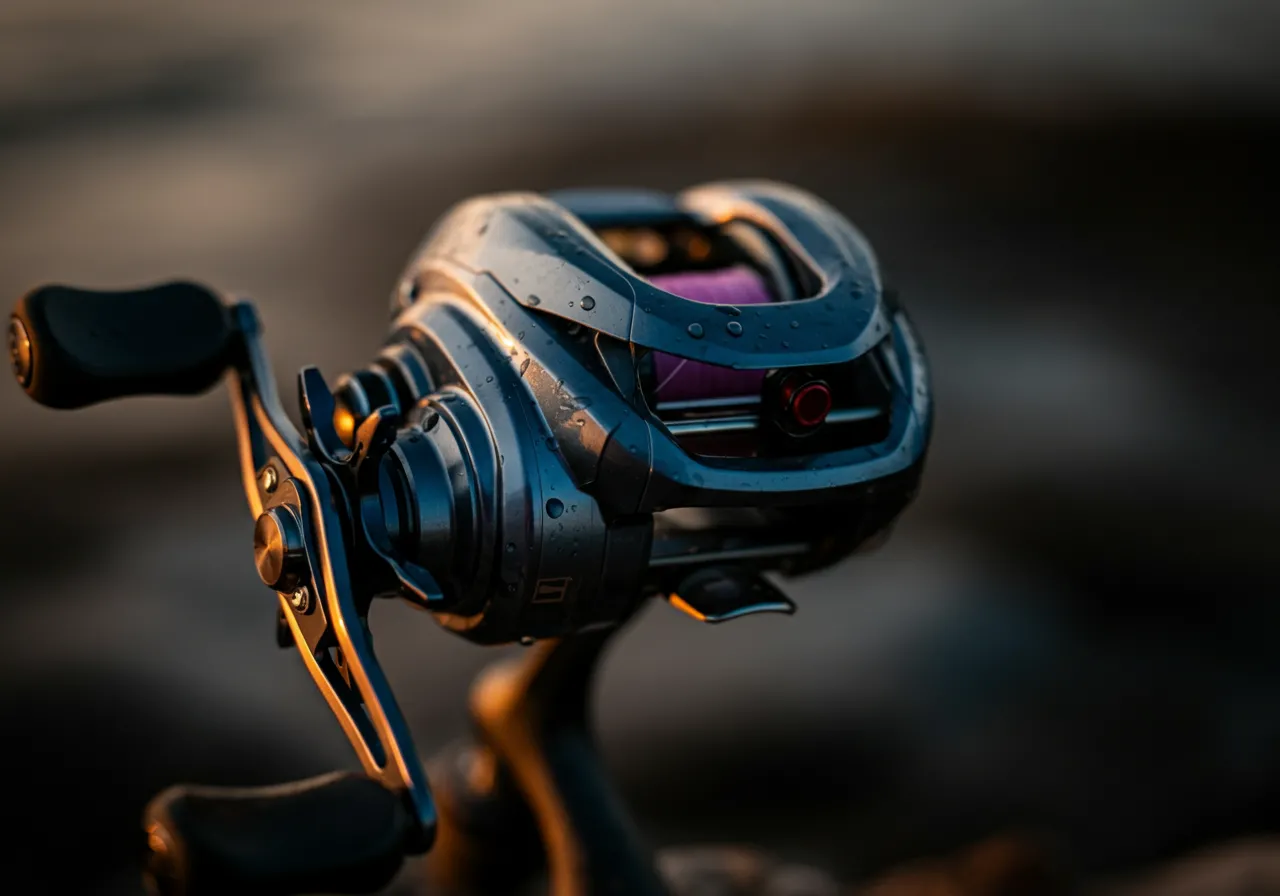
| Reel | Size 3000-4000 Spinning Reel with a smooth drag. | High-Speed Baitcasting Reel (7:1:1 or higher) with a carbon fiber drag for rapid line pick-up. |
| Line | 20 lb Braided Main Line, 15 lb Fluorocarbon Leader. | 30 lb High-Visibility Braid, 20 lb Fluorocarbon Leader. The visibility helps watch for subtle strikes. |
| Primary Lure | 2oz Silver/Blue Jigging Spoon. | Assortment of 1-4oz Spoons & Soft Plastic Tubes (White, Chartreuse). |
| Electronics | Basic Sonar with Depth and Fish ID. | CHIRP Sonar/GPS Combo with Down Imaging to see structure and individual bait balls. |
The Honest Pros & Cons of Deep Jigging
- Pros: Extremely targeted and efficient. Highly engaging—you feel every strike. Allows you to work a specific school of fish thoroughly. Can be done from a drifting boat or while anchored.
- Cons: Requires good sonar interpretation. Physically demanding in wind or current. A steep learning curve to detect subtle, deep-water strikes. Less effective in extreme depths (over 150 feet) where downriggers shine.
I’ll never forget the first time I truly “figured it out” on Lake Superior. After a morning of nothing, I focused on a sharp rocky point dropping into 110 feet. My sonar showed a faint, suspended cloud at 70 feet. I dropped a white tube jig, gave it two aggressive pops, and let it flutter. The line simply went heavy. No dramatic strike, just weight. The ensuing battle with a 15-pound laker in that cold, clear water was a lesson in patience and precision I carry on every guide trip.
Lake Trout Deep Tactics FAQ
Q: What’s the best time of year for deep lake trout fishing?
A: While lakers can be caught year-round, summer and early fall are prime for deep tactics. As surface waters warm, they follow the cold water and baitfish down to the 40-100 foot range.
Q: Can I do this without a boat?
A> It’s very challenging. Shore access to sufficiently deep, structured water is rare. A boat (even a small one) with sonar and control over your drift is almost essential for consistent success.
Q: Is live bait better than artificials for deep lakers?
A> Both work. A live cisco or sucker minnow fished near bottom on a slip-sinker rig is deadly. However, artificial jigs allow you to cover more water, trigger reaction strikes, and are often less messy and more efficient.
The path to mastering deep-water lake trout fishing is a rewarding one. It turns frustration into strategy and random drops into calculated hunts. Start with the fundamentals—find the cold water, find the structure, and master the vertical jig. Respect the lake, the fish, and the regulations. Now, get out there and put some bends in that rod. For more advanced techniques like interpreting summer thermoclines, explore our other in-depth fishing guides.
Bottom Line: Catching deep lake trout is a systematic hunt. Locate the thermocline and structure with sonar, present heavy jigs vertically with an aggressive snap-and-fall retrieve, and be ready for subtle, heavy strikes. Prioritize safety, check your regulations, and handle these deep-water giants with care.