Bank Fishing Tips Success

You’ve spent hours on the bank, casting into what looks like perfect water, only to pack up with nothing but a sunburn and a lighter tackle box. It’s frustrating. You see boats out there catching fish and wonder if you’re just missing the secret spots. I’ve been there. But let me tell you a truth I’ve learned over two decades: some of the biggest fish of my life have come from the bank. The boat doesn’t catch the fish—the angler does. Your success hinges on strategy, not a hull.
Disclaimer: This guide is based on my professional experience. Always check and comply with your state’s fishing regulations and license requirements. Safety is your first priority. I may earn from qualifying purchases through affiliate links, but I only recommend gear I trust and use myself.
The Bank Angler’s Mindset: Reading the Water Like a Roadmap
Think of the shoreline as a highway system for fish. They don’t swim randomly; they follow specific routes (currents, depth changes) to get to their destinations (food, oxygen, comfort). Your job is to find the on-ramps, rest stops, and feeding zones. From the bank, you can’t see the underwater intersections, but you can read the signs above the surface. A point of land extending out? That’s an underwater highway leading to deeper water. A patch of lily pads or submerged logs? That’s a prime neighborhood with plenty of cover. You’re not stuck on the bank—you have access to the most critical entry points to the entire ecosystem.
Safety, Laws, and Stewardship: The Non-Negotiables
Before we talk lures, let’s cover the essentials. This isn’t just about rules; it’s about respect for the sport and the resource.
- Your License: In the USA, a valid fishing license is mandatory for virtually all public waters. Fees fund crucial conservation efforts like fish stocking and habitat restoration. Purchase yours online from your state’s wildlife agency before you head out.
- Safety First: Always check the weather. A sudden storm on a treeless shoreline is dangerous. Wear proper footwear for slippery rocks and muddy banks. If you’re fishing near deep or fast water, consider a wearable PFD.
- Ethical Angling: Practice Catch & Release for species you don’t intend to keep. Use wet hands or a rubberized net, keep the fish in the water as much as possible, and use proper dehooking tools. Always pack out more trash than you brought in.
The Core Strategy: Finding Fish from Firm Ground
Success from shore is a three-step process: Scout, Spot, and Present.
Step 1: Scout Like a Detective (The “Where”)
Don’t just drive to your usual spot and start casting. Fish move with seasons, weather, and time of day. In early morning and late evening, target shallow, sunny areas as the water warms. During midday sun, look for shade from docks, bridges, or overhanging trees, or find deeper, cooler water near dam faces or creek channel bends.
Step 2: Identify the “Spot on the Spot” (The “Why There”)
Not all structure is created equal. A lone stump is good. A stump on a point next to a drop-off is great. This is the “spot on the spot.” Focus your efforts on:
- Transition Zones: Where two types of cover meet (e.g., rock meets weed).
- Current Seams: Where fast and slow water meet, creating an ambush point.
- Man-Made Structures: Culverts, bridge pilings, and riprap (rock walls) are fish magnets.
Step 3: Master the Presentation (The “How”)
Your cast is precious. Make every one count.
- The Fan Cast: Don’t cast to the same place. Imagine a pie in front of you. Make 5-10 casts, covering each slice from left to right. This methodically works the water.
- Retrieve with Purpose: Match your lure speed and action to the conditions. In cold water, slow down. In stained water, use vibration or sound.
- Go Vertical: When fishing directly below you (docks, steep banks), use a drop shot rig or a jig. Let it fall on a semi-slack line—most strikes happen on the initial drop.
Gear Guide: Bank Fishing Essentials
You don’t need a boatload of gear, but you need the right tools for mobility and versatility.
| Category | Budget-Friendly Starter Kit | Pro-Level Upgrade (When You’re Ready) |
|---|---|---|
| Rod & Reel | 7′ Medium Power, Fast Action Spinning Combo. This is the Swiss Army knife—good for a variety of techniques. | Two dedicated setups: 1) 7’3″ Medium-Heavy baitcaster for jigs/soft plastics. 2) 7′ Light Power spinning rod for finesse. |
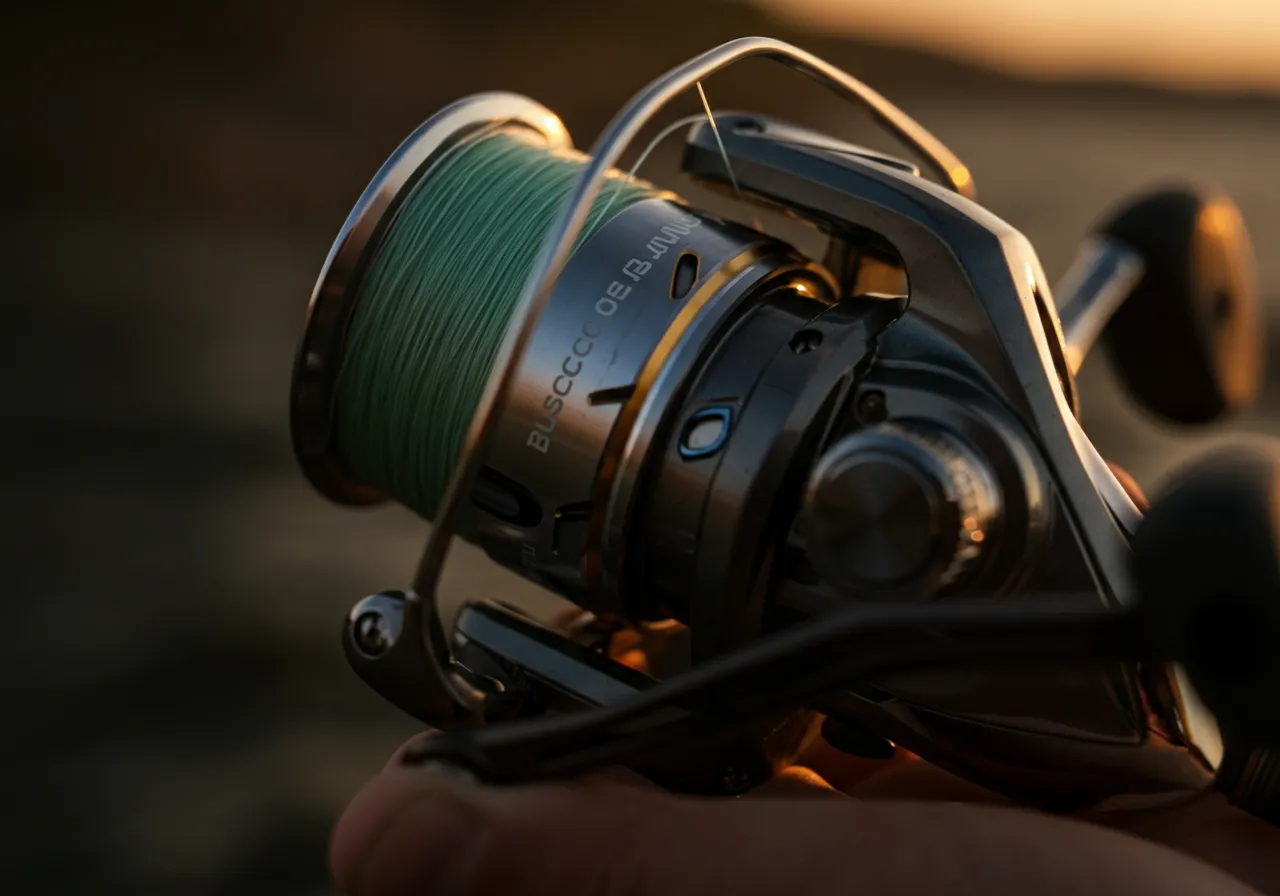
| Line | 8-12 lb Monofilament. Forgiving, cheap, and handles abrasion well around wood and rock. | 20 lb Braid to a 10-12 lb Fluorocarbon leader. Braid gives superior sensitivity and casting distance; fluorocarbon is nearly invisible underwater. |
| Lure Selection | Keep it simple: 1/4 oz Spinnerbait (vibration), 3/0 Offset Worm Hook & Pack of Senko-style worms (versatile), a Lipless Crankbait (covers water). | Expand by condition: Topwater Popper (low light), Swimbait on a jig head (searching), Ned Rig (finesse when fish are pressured). |
| Accessories | Pliers, a small tackle bag, and a net with a retractable handle. | Wading shoes for access, a quality hip pack or sling bag, polarized sunglasses (critical for seeing structure), and a portable scale. |
The Honest Truth: Pros and Cons of Bank Fishing
Pros:
- Ultimate Access & Stealth: You can reach skinny water boats can’t, and your footsteps are quieter than a trolling motor.
- Low Cost & Spontaneity: No boat payments, ramp fees, or tow vehicle needed. A 30-minute trip is easy.
- Forces Skill Development: You learn to read water and perfect your cast because you can’t just drive to a new spot.
Cons:
- Limited Range: You can only reach what your cast can touch. Some prime offshore structure is inaccessible.
- Access Challenges: Private property, thick brush, and unstable banks can limit your spots.
- Snag Potential: You’re often casting directly into the heaviest cover, leading to more lost lures.
Bank Fishing FAQs
Q: What’s the single best time for shore fishing?
A: The “golden hours”—the first hour after sunrise and the last hour before sunset. Fish move shallow to feed, and they’re within casting range.
Q: I only have one rod. What’s the most versatile setup?
A> A 7′ medium-power, fast-action spinning rod with 10 lb braid and a fluorocarbon leader. This lets you fish weightless worms, small crankbaits, and even drop shots effectively.
Q: How do I handle snags without wading in?
A> First, try changing your angle—walk left or right and pull from the side. If that fails, a “snag breaker” or heavy weight slid down your line can sometimes knock it loose. Always have a pair of pliers to break the line if needed.
Bank fishing isn’t a consolation prize. It’s a pure, challenging, and incredibly rewarding way to fish. It teaches you the fundamentals that make great anglers, with or without a boat. Now, grab your gear, scout a new shoreline, and read that water like the roadmap it is. The fish are waiting, and they’re closer to the bank than you think.
Ready to target a specific species from shore? Explore our other guides on landing lunker bass or night fishing for channel cats to deepen your skills.