Terminal Tackle Essentials

You’ve made the perfect cast. The lure lands with a soft “plop” right on the edge of the weed line. You feel the subtle “tap-tap” of a bite, set the hook with conviction, and… nothing. The fish is gone, and your line comes back bare. More often than not, the culprit isn’t your rod, your reel, or even your lure. The failure happened in the last 24 inches of your setup—your terminal tackle. These small, often overlooked components are the critical link between you and the fish. Getting them right is the difference between a story about “the one that got away” and a photo with the one that didn’t.
What is Terminal Tackle? Think of It as Your Fishing Toolbox
In simple terms, terminal tackle refers to all the gear that is tied to the end of your fishing line. It’s your connection kit. This includes hooks, sinkers, swivels, snaps, beads, and floats. If your mainline is the highway, your terminal gear is the off-ramp, parking lot, and front door that finally delivers your presentation to the fish. Choosing the right combination is like selecting the right tool for a job—you wouldn’t use a sledgehammer to hang a picture frame.
The Science of the Connection: Why Size and Shape Matter
Fish are not dumb. They are pressure-sensitive, sight-oriented predators or foragers. A bulky, clumsy setup creates more water resistance (drag), feels unnatural, and can spook fish, especially in clear water. The goal of a well-thought-out terminal rig is to present your bait or lure in the most natural, effective, and snag-resistant way possible for the given situation. It’s about balancing stealth, action, and strength.
Analogy: Reading the Water‘s “Road Map”
Imagine your terminal tackle as the suspension and tires on your truck. You’re going to set it up differently for a smooth highway (open water) versus a rocky, muddy backroad (heavy cover). A lightweight finesse rig is your all-terrain tire for a subtle presentation. A heavy-duty flipping rig with a bulky weight is your lifted suspension and mud tires for plowing through thick vegetation. You match the gear to the terrain.
Safety, Legality, and Conservation: The Foundation of Every Trip
Before we dig into the gear, let’s cover the non-negotiables. No fish is worth your life or breaking the law.
- Weather & Water Safety: Always check the forecast. Sudden storms are no joke. Wear your life jacket (PFD), especially when wading or in a boat. Tell someone your plans.
- The Legal Hook: You must have a valid fishing license for the state you are in. Regulations on hook *type* (e.g., circle hooks for live bait for certain species), number of points, and even sinker material (lead is banned in some areas) are common. It is your responsibility to know the rules. Always consult the official regulations from your state’s wildlife agency. For a prime example of comprehensive, state-specific rules, review the U.S. Fish & Wildlife Service’s fishing resources as a starting point to find your local regulations.
- Ethical Angling: Use appropriate strength gear to land fish quickly, minimizing exhaustion. Keep fish wet and handle them with care, especially during catch and release. Pinch down barbs for easier hook removal. Always pack out more trash than you brought in.
The Core Components: Your Terminal Tackle Checklist
Here’s a breakdown of the essential pieces and their roles in your fishing system.
Hooks: The Point of Contact
- J-Hooks: The classic. Great for active hook-sets with artificial lures. Sizes range from tiny #10 for panfish to massive 10/0 for sharks.
- Circle Hooks: Designed to hook fish in the corner of the mouth, they are excellent for live/dead bait and critical for survival rates in catch-and-release. Do not “set” with a hard jerk; simply apply steady pressure.
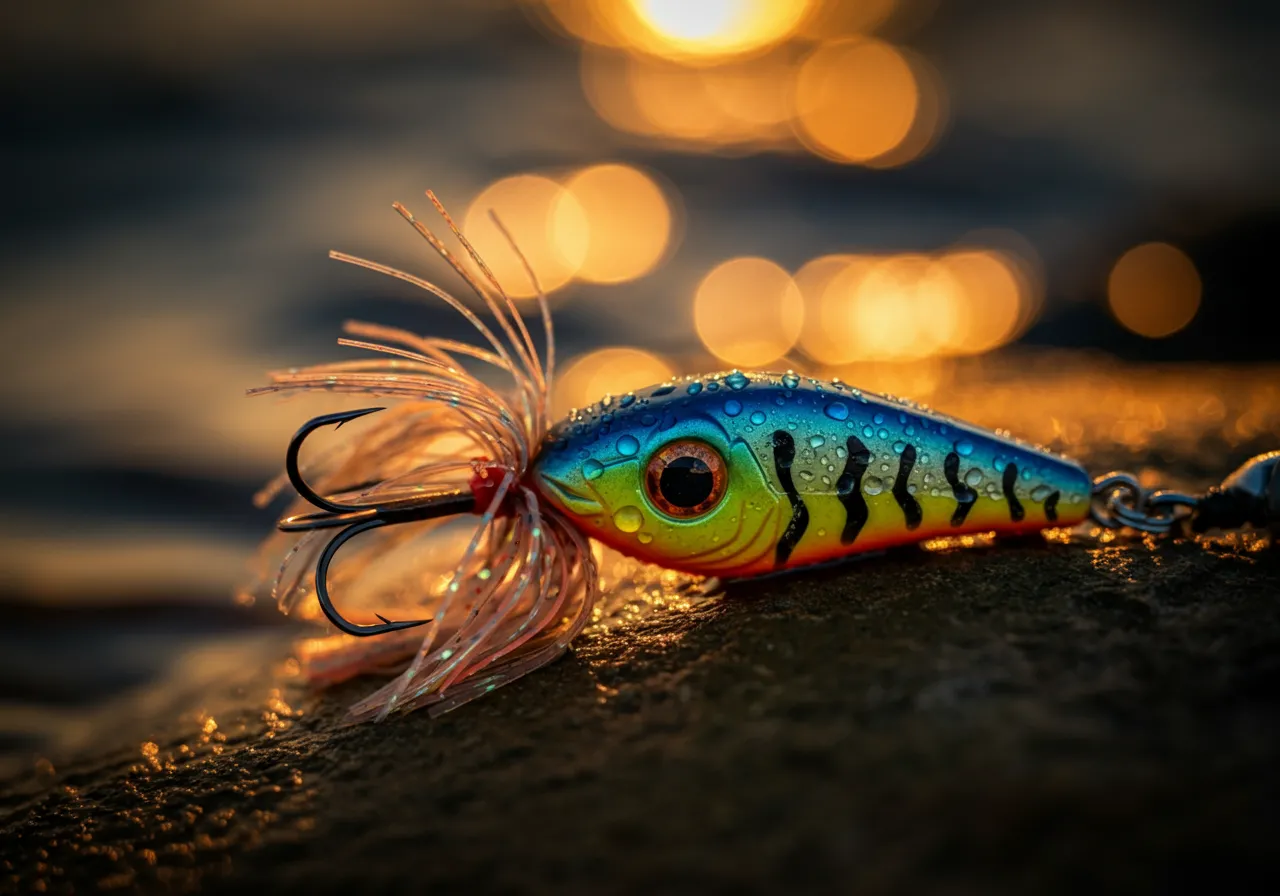
- Treble Hooks: Three points, found on most crankbaits and topwaters. Provide great hook-up odds but can cause more damage to fish. Consider replacing with in-line singles for easier release.
- Weedless Hooks: (e.g., EWG – Extra Wide Gap) Have a wire guard or are designed to point the hook tip back toward the shank to slide through vegetation.
Sinkers & Weights: Controlling Depth and Presentation
- Bullet Weights: Slip onto your line for Texas Rigs. They “peg” to the hook for punching through grass.
- Split Shot: Small, pinched-on weights for fine-tuning depth in finesse fishing.
- Egg Sinkers: Round with a center hole. Used in Carolina Rigs and live bait rigs to allow a fish to run without feeling weight.
- Drop Shot Weights: Cylindrical weights that clip on the very end of the line below the hook, keeping the bait suspended off the bottom.
Connectors & Accessories: The Support System
- Swivels: Prevent line twist from spinning lures or live bait. Use barrel swivels for connection, ball-bearing swivels for high-speed applications.
- Snaps & Snap-Swivels: Allow quick lure changes. Use a quality duolock snap for easy switching without compromising strength.
- Beads: Protect knots from weights and add audible “clacks” that can attract fish (e.g., in a Carolina Rig).
- Floats (Bobbers): Suspend bait at a precise depth and provide a visual bite indicator. From classic round bobbers to sensitive slip floats.
Step-by-Step: Building a Universal Live Bait Rig
Let’s put it together. This simple, effective rig works for everything from catfish to trout.
- Tie on a Barrel Swivel: Use an Improved Clinch or Palomar knot to tie your mainline to one end of a size-appropriate barrel swivel.
- Add Your Leader: Cut an 18-36 inch section of fluorocarbon or monofilament leader line (lighter test than mainline for break-offs). Tie the other end of the swivel to one end of the leader using the same knot.
- Slide on the Weight: Thread an egg sinker (size for current/depth) onto the leader line, letting it rest against the swivel.
- (Optional) Add a Bead: Slide a plastic bead onto the leader after the sinker to protect the knot in the next step.
- Tie on the Hook: To the free end of the leader, tie a circle hook (size 1/0 to 4/0 for general use) using a Snell knot or Improved Clinch.
- Bait Up and Fish: Hook your live bait (minnow, worm) through the lips or just behind the dorsal fin. Cast out, engage the reel, and wait. When you see the line start to move, point the rod at the fish, reel down slack, and apply steady pressure to set the circle hook.
Budget vs. Pro-Grade Terminal Tackle: A Smart Comparison
| Component | Budget-Friendly Choice | Pro-Grade / Premium Choice | Why It Matters |
|---|---|---|---|
| Hooks | Bulk packs of standard finish J-hooks. | Chemically-sharpened, black nickel or corrosion-resistant hooks (e.g., Owner, Gamakatsu). | Premium hooks are sharper out of the package, penetrate easier, and resist rust far longer, meaning more landed fish and less tackle replacement. |
| Weights | Lead bullet weights, split shot. | Tungsten weights, eco-friendly non-lead alternatives. | Tungsten is denser than lead, so a smaller weight gets your bait down faster with less “clunking” noise. It’s also better for the environment where lead is restricted. |
| Swivels & Snaps | Basic brass barrel swivels and snap-swivels. | Ball-bearing swivels, high-carbon steel duolock snaps (e.g., Spro, Tactical Angler). | Premium swivels actually *swivel* under load, preventing twist. Quality snaps won’t open under pressure and have a lower profile, giving your lures better action. |
| Leader Line | Standard monofilament. | Fluorocarbon or abrasion-resistant co-polymer. | Fluorocarbon is nearly invisible underwater and sinks, offering a more natural presentation. It also resests abrasion from rocks and teeth better than basic mono. |
My Take: Where to Invest
I learned the hard way early on. I once lost a personal-best smallmouth bass because a cheap snap straightened out. My rule now: never, ever cheap out on hooks or connection points. That’s where the fight is won or lost. You can get by with basic weights and beads, but investing in sharp, strong hooks and reliable swivels is non-negotiable for consistent success.
Pros and Cons of Focusing on Your Terminal Gear
Pros:
- Cost-Effective Improvement: Upgrading your terminal tackle is the cheapest way to instantly become a more effective angler.
- Versatility: With a small box of components, you can create dozens of rigs for any species or condition.
- Increased Confidence: Knowing your connection is solid lets you focus on presentation and location, not worrying about gear failure.
Cons:
- Analysis Paralysis: The sheer number of sizes and styles can be overwhelming for a beginner.
- Easy to Lose: You will get snagged and break off. It’s part of fishing. Don’t get emotionally attached to a sinker.
- Requires Knowledge: You need to understand how each piece affects the other to build a balanced rig.
Terminal Tackle FAQ
Q: How often should I check and replace my hooks?
A: Constantly. Run your thumb over the point. If it doesn’t lightly “stick,” it’s dull. Replace it. Check for rust or bending after every fish or snag. A sharp hook is your #1 priority.
Q: Should I use a swivel with every lure?
A> No. Only use a swivel to prevent line twist (with inline spinners, certain live baits) or to facilitate a quick change. For most single-hook lures (worms, jigs), tying directly to the line or using a small snap is better for optimal action.
Q: What’s the one piece of terminal tackle I should always carry?
A> A variety pack of split shot. It’s the ultimate “fine-tuner.” You can add a tiny bit of weight to get a suspending lure to sink, adjust a bait’s depth minutely, or add casting weight in a pinch. It’s incredibly versatile.
Mastering your terminal connections might not be as glamorous as buying a new rod, but it pays bigger dividends on the water. Start paying attention to those last two feet of your setup. Organize your box, sharpen those hooks, and match your rig to the conditions. You’ll be amazed at how many more of those subtle bites turn into fish in the net.
Ready to put your new terminal tackle knowledge to work? Explore our other guides on specific rigs like the Carolina Rig for bass or high-low rigs for saltwater to see these components in action.