Lipless Crankbaits Sound

You’re burning a lipless crankbait over a submerged grass flat. The rod is thumping, you’re feeling confident, but the hooksets just aren’t there. You’re getting follows, bumps, but no solid commitment. Sound familiar? The problem isn’t the location; it’s the language. You’re making noise, but you’re not saying what the fish want to hear. Mastering the sound of a lipless crankbait is the difference between a frustrating day of missed opportunities and bending your rod on reaction strikes you can count on.
The Angler’s Frustration: Chatter Without a Bite
Lipless crankbaits are famous for their vibration. That intense, window-rattling thump is a powerful fish call. But like any language, there’s nuance. Is it the frantic panic of a dying shad? Or the aggressive, territorial buzz of a crawfish? Using the wrong “accent” or “volume” in the wrong situation is like shouting in a library—you’ll scare away what you’re trying to attract. Let’s translate that vibration into a language bass, redfish, and other predators can’t ignore.
The Science of Sound: Your Lure’s Built-in Megaphone
Think of a lipless crankbait’s internal rattle chamber not as a noisemaker, but as a specialized speaker system broadcasting directly into the water. Water is a dense, excellent conductor of sound and pressure waves. A fish’s lateral line—a super-sensitive organ running along its body—is designed to pick up these precise vibrations from great distances, much like you feel the bass from a car stereo before you hear the music.
This isn’t just noise; it’s a targeted signal. In stained water or over grass, visibility is low. That sound becomes the primary trigger. A tight, high-pitched rattle can mimic a school of baitfish. A deeper, slower “chug” might sound like a distressed bluegill or crawfish. Your retrieve speed and cadence control the message. You’re not just retrieving a lure; you’re directing an underwater play, and the sound is your script.
Safety, Legality, and Stewardship: The Responsible Angler’s Checklist
Before we dial in that perfect sound, a quick but critical reminder. No trophy is worth a tragedy.
- Weather & Water Wisdom: Always check the forecast. A sudden storm can turn a great day dangerous. Have a plan and let someone know where you’re going. A life jacket (PFD) is non-negotiable, especially when fishing from a boat.
- License to Fish: Fishing without a valid license is illegal. Regulations vary by state and often by water body. It is your responsibility to know the rules for where you wet a line. For a definitive source, always refer to your state’s wildlife agency. For example, you can review the comprehensive regulations for Texas anglers at the Texas Parks & Wildlife Department.
- Ethical Angling: Handle fish with care, especially during catch-and-release. Wet your hands, support the body, and use appropriate tools like pliers for a quick hook removal. Respect the resource that gives us so much joy.
Dialing in the Sound: A Step-by-Step Guide to Triggering Strikes
Here’s how to move from making noise to sending the right message. We’ll focus on the classic scenario: fishing over and around submerged grass.
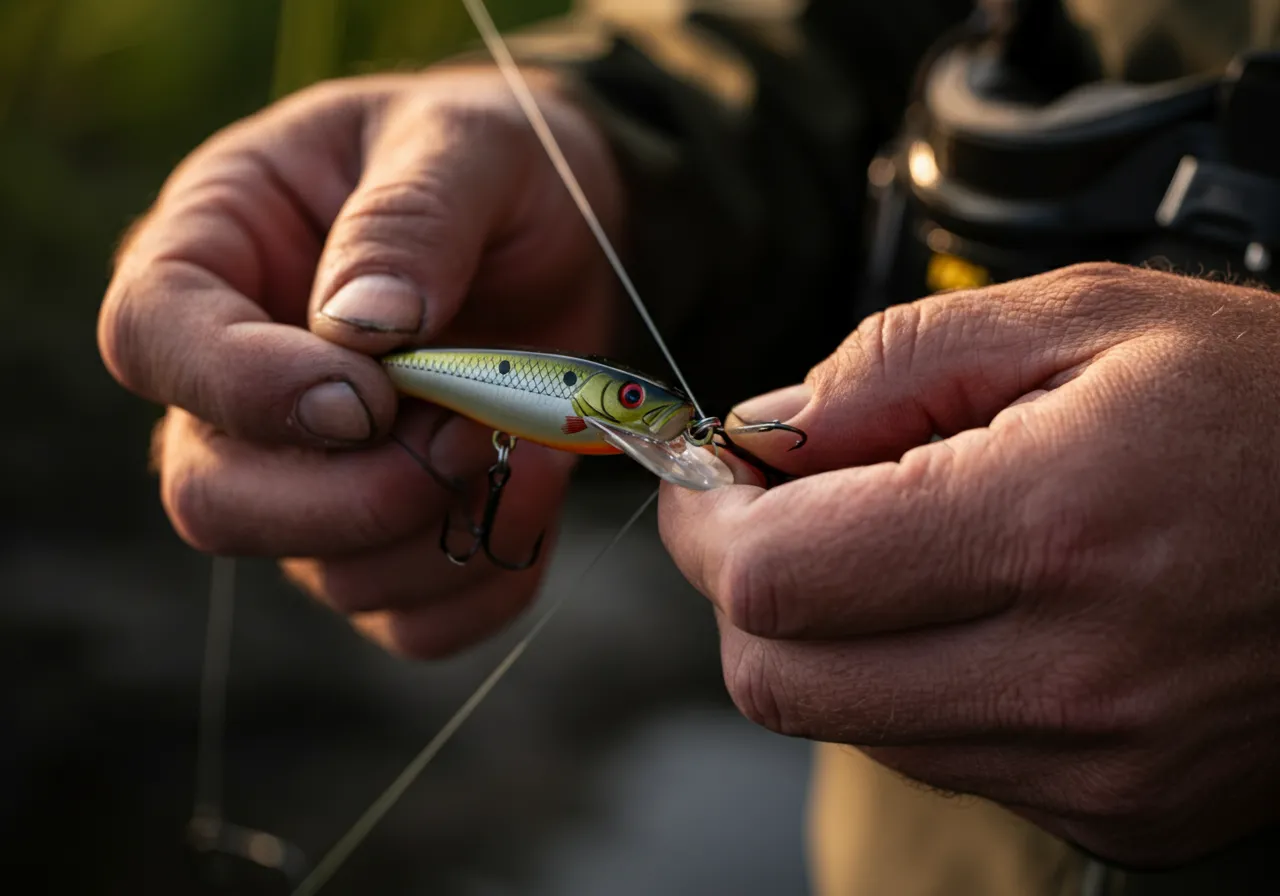
Step 1: Choose Your “Speaker” (The Right Bait)
Not all lipless crankbaits are created equal. Internal sound chambers differ.
- High-Pitch/Tight Rattle: (e.g., many classic models). Ideal for mimicking shad or alewives. Excellent in cooler water (50-65°F) or when fish are keyed on small baitfish.
- Low-Pitch/Coarse Rattle: (e.g., baits with larger internal beads). Produces a deeper, louder “clack.” Perfect for dirty water, mimicking larger bait like bluegill or triggering territorial bass in warm water.
- Silent or One-Knocker: These baits have a single, larger weight inside. They produce a more subtle, rhythmic “thump” rather than a rattle. This is your finesse option for clear water, heavily pressured fish, or when a subtle crawfish presentation is needed.
Step 2: Set the “Volume” (Line Choice)
Your line is the direct wire from the “speaker” to your rod. It transmits vibration.
- Braid (30-50 lb): Zero stretch, maximum sensitivity. You’ll feel every blade of grass and the faintest tick. This is my go-to for fishing heavy grass, as it allows for powerful hooksets to rip the bait free. It transmits the most vibration.
- Fluorocarbon (12-20 lb): Nearly invisible, with moderate stretch. A superb choice in clearer water or around sparse grass. It dampens the vibration slightly, which can sometimes be an advantage for finicky fish.
Step 3: The Retrieve Cadence (Your Script)
This is where you become the director. Cast beyond your target zone.
- The Burn & Kill: The classic. Reel fast to get the bait “up on plane” and buzzing loudly over the grass. Then, suddenly stop reeling. The bait will helicopter down, often triggering a vicious strike on the fall. This mimics a baitfish that just exhausted itself.
- The Yo-Yo: Use your rod tip. After the cast, reel down to take up slack, then sharply raise your rod tip 2-3 feet, then reel down as you lower it. This creates an erratic, rising and falling action with variable sound intensity. Deadly around grass edges.
- The Slow Roll: Just enough speed to keep the bait vibrating and ticking the top of the grass. This steady, searching retrieve with constant sound is great for locating active fish. Vary your speed until you get a reaction.
Gear Guide: Getting Started Without Breaking the Bank
| Category | Budget-Friendly Starter Kit | Pro-Grade Refinement |
|---|---|---|
| Lipless Crankbait | Classic, proven models like the Rat-L-Trap or a generic “rattle trap.” Get 2-3 in different colors (chrome/blue, red/craw). | Specialized sound profiles (e.g., one-knocker, silent). Invest in premium hooks and finishes for durability. Brands like Jackall, Megabass, or Duo Realis offer nuanced options. |
| Rod | A 7′ to 7’3″ Medium-Heavy, Fast Action casting rod. A versatile “workhorse” that can handle the technique. | A dedicated 7’4″ Heavy, Moderate-Fast rod. The extra power helps rip from grass, and the slightly softer tip protects treble hooks. |
| Reel | A 6.3:1 or 7.1:1 gear ratio baitcasting reel. Focus on a smooth drag and reliable performance. | A high-speed reel (8.1:1 or higher) for rapid “burning” retrieves and quick pickup. Superior bearings for effortless casting. |
| Line | 30 lb braided line or 17 lb fluorocarbon. Both are excellent and affordable starting points. | High-quality, low-diameter braid (40-50 lb) for grass, or premium fluorocarbon (16-20 lb) for open water and clarity. |
The Honest Truth: Pros & Cons of Lipless Crankbaits
Pros:
- Unmatched Searchbait: Covers water incredibly fast and calls fish from a distance.
- Versatile: Effective at multiple depths, from burning the surface to yo-yoing deep.
- Reaction Strike King: Triggers instinctual bites from inactive or neutral fish.
- Seasonless: Productive year-round with adjustments to speed and sound.
Cons:
- Snag Magnet: The exposed treble hooks love to grab grass, wood, and rocks.
- Can Spook Fish: In ultra-clear, shallow, or high-pressure situations, the loud vibration can be too much.
- Requires Commitment: You need to fish it aggressively and confidently to get the right action.
Lipless Crankbait Sound FAQ
Q: What’s the single best color for a lipless crankbait?
A: There isn’t one, but let sound guide you. In stained water, use a loud rattle with a bright or dark silhouette (chartreuse, red). In clear water, match the hatch (shad, perch) and consider a one-knocker or silent model.
Q: I keep getting hung up in grass. What am I doing wrong?
A> You’re likely letting it sink too deep into the grass. Keep your rod tip high and reel just fast enough to feel the bait “ticking” the grass tops. The moment it stops vibrating, pause and often it will float up, or give a sharp rod pop to rip it free.
Q: Can I fish lipless crankbaits from the bank?
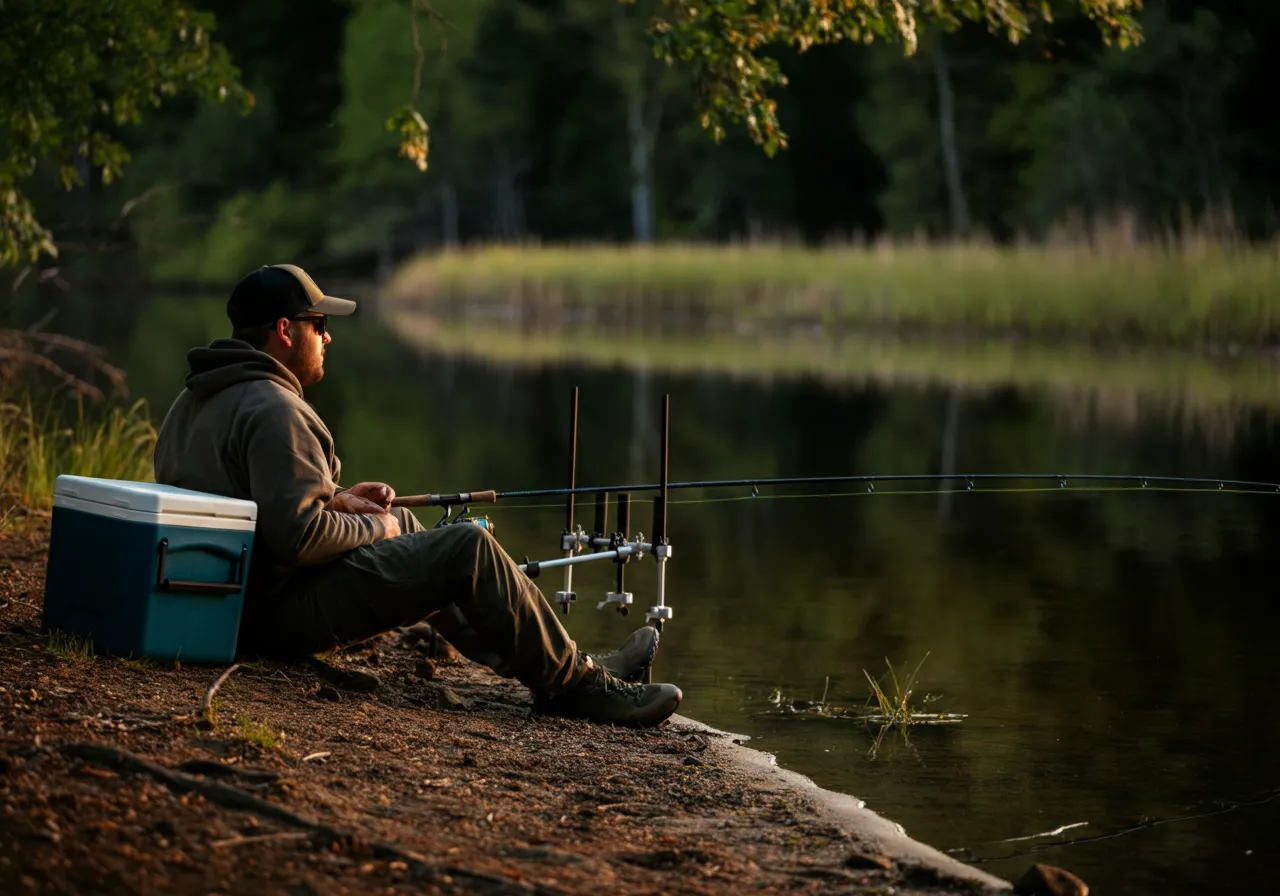
A> Absolutely. They are fantastic bank fishing lures. Target points, submerged grass lines, and wind-blown banks. A long cast parallel to the shore is often more effective than casting straight out.
Mastering the sound of your lipless crankbait transforms it from a simple noisemaker into a precision tool. Pay attention to the feedback through your rod, experiment with speed and cadence, and you’ll start speaking the predator’s language fluently. Now, get out there, make some noise, and put those lessons to the test. For more in-depth techniques on reading water and seasonal patterns, explore the other guides on our site.
Summary
Lipless crankbaits are effective because their sound triggers predatory instincts through a fish’s lateral line. Success depends on choosing the right rattle type (high-pitch, low-pitch, or silent), pairing it with sensitive line (braid or fluorocarbon), and employing a strategic retrieve (Burn & Kill, Yo-Yo, Slow Roll) to mimic distressed prey. Always prioritize safety, legality, and ethical fish handling.