Best Bass Lures for Murky Water

You’re staring at a lake that looks more like chocolate milk than a bass fishery. The rain last night churned up the bottom, and now your confidence is as low as the visibility. You know the bass are there, but your favorite finesse worm feels invisible, and your crankbait is just bouncing off logs you can’t see. Sound familiar? Fishing murky water doesn’t have to mean getting skunked. It means switching your strategy from sight to sound and vibration. Let’s talk about the lures that turn muddy water from a curse into an advantage.
Disclaimer: This guide is based on 20+ years of on-the-water experience. Always check your local regulations. Some links may be affiliate links, which support our content at no extra cost to you. Our recommendations are always unbiased.
The Science of the Strike: Why Bass Bite in the Murk
In clear water, bass are visual hunters. In murky water, their world changes. They become reliant on their lateral line—a super-sensitive organ that runs down their body, detecting vibrations and pressure changes in the water. Think of it like a bass’s built-in submarine sonar. Your job is no longer to show them a perfect-looking meal; it’s to send out the loudest, most irritating, or most enticing “ping” on their sonar screen. A subtle twitch won’t cut it. You need a lure that shouts, “Eat me!” through the mud.
Safety, Licenses, and Respecting the Resource
Before we get to the lures, let’s cover the non-negotiables. Murky water often comes after storms, so always check the weather before heading out. Strong currents and floating debris are real hazards. Wear your life jacket (PFD)—it’s not a suggestion. You must have a valid fishing license for the state you are in. Regulations vary wildly, so it’s your responsibility to know the rules. Finally, practice ethical angling. In stained water, bass often swallow lures deeper. Have pliers ready for a safe hook removal, and consider using barbless hooks or crimping down the barbs to make release easier and safer for the fish.
For the most accurate and up-to-date fishing regulations in your area, always refer directly to your state’s wildlife agency. For example, you can review the comprehensive regulations for Texas anglers at the Texas Parks & Wildlife Department website.
The Murky Water Arsenal: Lures That Get Found
Forget subtlety. In dirty water, you need lures that create vibration, displace a lot of water, have strong silhouettes, or make noise. Here are the three categories I trust when visibility drops below a foot.
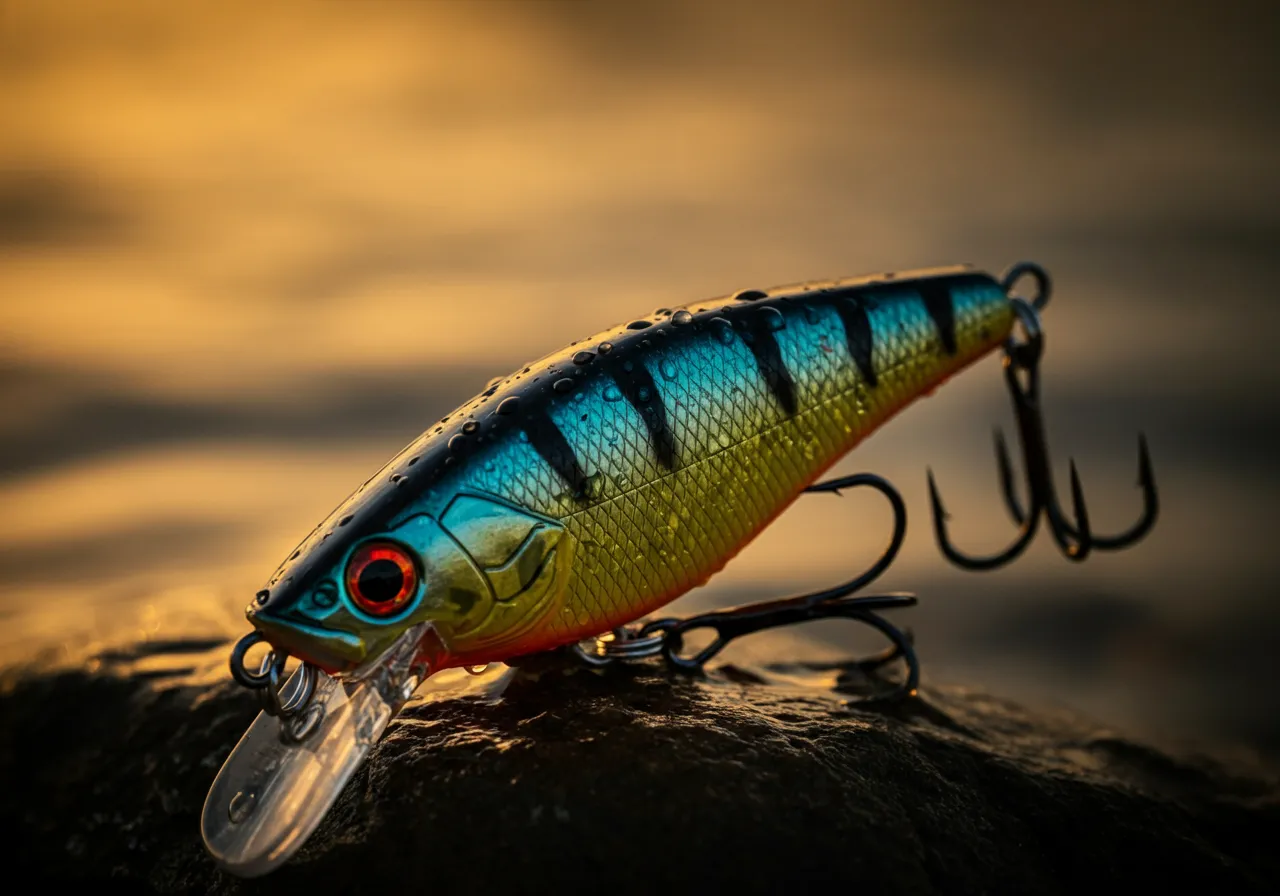
1. The Bladed Jig (Chatterbait)
This is my number-one search bait for muddy water. The vibrating blade creates a constant, aggressive thump that bass can feel from yards away. It’s a reaction bait that excels at triggering strikes from bass holding tight to cover.
- How to Fish It: Cast past your target (a dock pillar, laydown, or grass line). Let it fall to the desired depth, then engage your reel and retrieve at a steady, medium pace. The blade will start chattering immediately. You can “kill” it by pausing your retrieve, letting it helicopter down—a deadly move that often results in a strike on the fall.
- Trailer Tip: Use a bulky paddle-tail swimbait as a trailer. The added thump and profile make it even more detectable.
2. The Colorado Blade Spinnerbait
The old-school workhorse. The large, rounded Colorado blade has a slow, wide wobble that produces tremendous vibration and flash. It’s incredibly snag-resistant, allowing you to grind it through the thickest cover where murky-water bass love to hide.
- How to Fish It: Use a slow-rolling retrieve just fast enough to keep the blade turning. Bump it into stumps, brush piles, and dock cables. The “tick-tick-BOOM” reaction is classic. In really dirty water, opt for a tandem Colorado/Willow leaf setup for maximum vibration and flash.
3. The Black/Blue Jig with Rattle
When you need to slow down and pick apart specific pieces of heavy cover, nothing beats a jig. In murky water, you darken your colors and add sound.
- How to Fish It: A black/blue or black/red jig offers the best silhouette against a muddy backdrop. Always add a plastic rattle to the jig’s collar. Pitch it into holes in the grass, flip it into the darkest recesses of a laydown, and drag it along the bottom. Use your rod tip to impart sharp, upward hops. The “thump” of the jig head hitting bottom, combined with the rattle, tells the bass exactly where your lure is.
- Trailer Tip: A bulky craw trailer with flapping claws (like a Strike King Rage Craw) adds action, vibration, and that crucial “living” feel.
Gear Showdown: Budget Setup vs. Pro-Tuned Rig
You don’t need a mortgage-worth of gear to catch fish in muddy water. Here’s a breakdown of what works at different commitment levels.
| Gear Component | Budget-Friendly Choice | Pro-Tuned Choice |
|---|---|---|
| Rod | 7′ Medium-Heavy, Fast Action Composite Rod. Stiff enough for hook sets, sensitive enough to feel the blade thump. | 7’3″ Heavy Power, Fast Action High-Modulus Graphite Rod. Maximum sensitivity for bottom contact with jigs, superior power for horsing fish from cover. |
| Reel | 6.3:1 or 7.1:1 Gear Ratio Baitcaster. Reliable drag and a speed versatile enough for all three lures. | 7.5:1 or 8.1:1 High-Speed Baitcaster. Faster gear ratio lets you pick up line quickly on reaction strikes and efficiently work the bait. |
| Line | 15-20 lb Monofilament. Good all-around strength and manageability. Stretch can help with hook sets on treble hooks. | 50 lb Braided Line with a 17-20 lb Fluorocarbon Leader. Zero-stretch braid gives ultimate sensitivity; the fluoro leader is abrasion-resistant and less visible. |
| Lure Example | Standard Chatterbait, Single Colorado Spinnerbait, Basic Flipping Jig. | Custom-tuned Chatterbait (balanced blade), Hand-tied Flipping Jig with premium hook and rattle, Forged Spinnerbait with premium blades. |
The Honest Truth: Pros & Cons of Murky Water Fishing
Pros:
- Bass are Less Wary: They rely on instinct over sight, making them more likely to hammer reaction baits.
- Concentrated Fish: Bass often stack up on specific, predictable pieces of cover (points, docks, the first breakline).
- You Can Use Heavier Gear: Thicker line and stronger rods are the norm, giving you an advantage in a fight.
Cons:
- Limited Lure Selection: Finesse and subtle presentations are often ineffective.
- Deeper Hooksets: Bass often eat the lure fully, requiring careful hook removal.
- Navigation Hazards: Unseen logs and stumps can damage gear and boats.
Murky Water Lure FAQ
Q: What’s the single best color for dirty water?
A: Black/Blue. It creates the strongest, most definitive silhouette against a muddy background. Bright chartreuse can be a great accent color for added visibility.
Q: Do I need to fish slower in muddy water?
A> Not necessarily slower, but more deliberately. Your retrieve must create consistent, strong vibration. Sometimes a steady, medium retrieve is more effective than a slow crawl because it keeps the lure’s “sonar signal” active.
Q: What pound test line should I use?
A> Heavier than usual. I start with 17 lb fluorocarbon or 50 lb braid. The murky water hides the line, and you need the strength to pull bass from heavy cover they’ll immediately run for.
Mastering murky water is what separates casual anglers from consistent performers. By switching your mindset to vibration and sound, and trusting these proven lures, you can turn a tough day into your most memorable one. Now, go make some noise.
Ready to dial in your techniques for other conditions? Explore our other guides on reading water and seasonal bass patterns to become a more versatile angler.
Summary
To catch bass in murky water, use lures that create strong vibration, noise, and silhouette: a Chatterbait for aggressive searching, a Colorado Spinnerbait for snag-resistant cover grinding, and a Black/Blue Jig with a rattle for precise, slow presentations. Prioritize safety in post-storm conditions, always have a valid license, and use heavier gear to handle the low-visibility environment. Success comes from triggering the bass’s lateral line, not its eyes.