Mahi Mahi Trolling Tactics

You’ve run 30 miles offshore. The spread is out, the baits are swimming perfectly, and the radio chatter is all about the slow bite. Then, you see it—a floating piece of debris or a weed line, and beneath it, a flash of electric blue and neon yellow. Mahi mahi. You steer over, but your lures pass by untouched. The fish sink out, and the opportunity vanishes. The frustration is real. The difference between a slow day and a box full of these acrobatic fighters isn’t luck; it’s a specific set of trolling tactics designed for their unique behavior.
Disclaimer: This guide is based on two decades of professional experience. Always check your local state regulations for licensing, size, and bag limits. Safety on the water is your #1 responsibility. I am not affiliated with any gear brands mentioned; recommendations are based on proven performance.
The Mahi Mindset: It’s a Cover Game, Not an Open Water Sweep
Many anglers troll for mahi mahi like they troll for tuna: long, straight lines over featureless water. This is where they get skunked. Think of the ocean not as an empty desert, but as a vast prairie with isolated “towns” of life. Mahi mahi are the opportunistic residents of these towns. Your job isn’t to search every square mile of prairie; it’s to find the towns. The floating object—a plank, a crate, a patch of sargassum weed—is their town square. The lure presentation around that structure is your key to the city. Ignore this, and you’re just burning fuel.
Safety, Legality, and Stewardship: The Non-Negotiables
Before we talk lures, let’s get the critical stuff out of the way. Offshore fishing demands respect.
- Weather & Safety: Always check a reputable marine forecast. If storms are predicted, stay at the dock. Ensure you have a working VHF radio, EPIRB, and all required safety gear, including a life jacket for every person on board.
- Licenses & Regulations: In the USA, you typically need a state saltwater fishing license. For federal waters, you may need additional permits. Mahi mahi (dolphinfish) regulations on size and daily bag limits vary by region and are strictly enforced. It is your responsibility to know them. For the most current information, always refer directly to your state’s wildlife agency, such as the Florida Fish and Wildlife Conservation Commission (FWC).
- Ethical Angling: Mahi mahi are a fast-growing, sustainable resource if handled properly. Have a release plan for undersized fish. Keep only what you will use, and utilize the whole fish. Never leave trash or monofilament line in the ocean.
The Core Trolling Spread: Your Offensive Lineup
Your trolling spread is like a football play. You have different “players” (lures) running specific “routes” to trigger a strike. For mahi, you need a mix of flash, commotion, and imitations of fleeing baitfish.
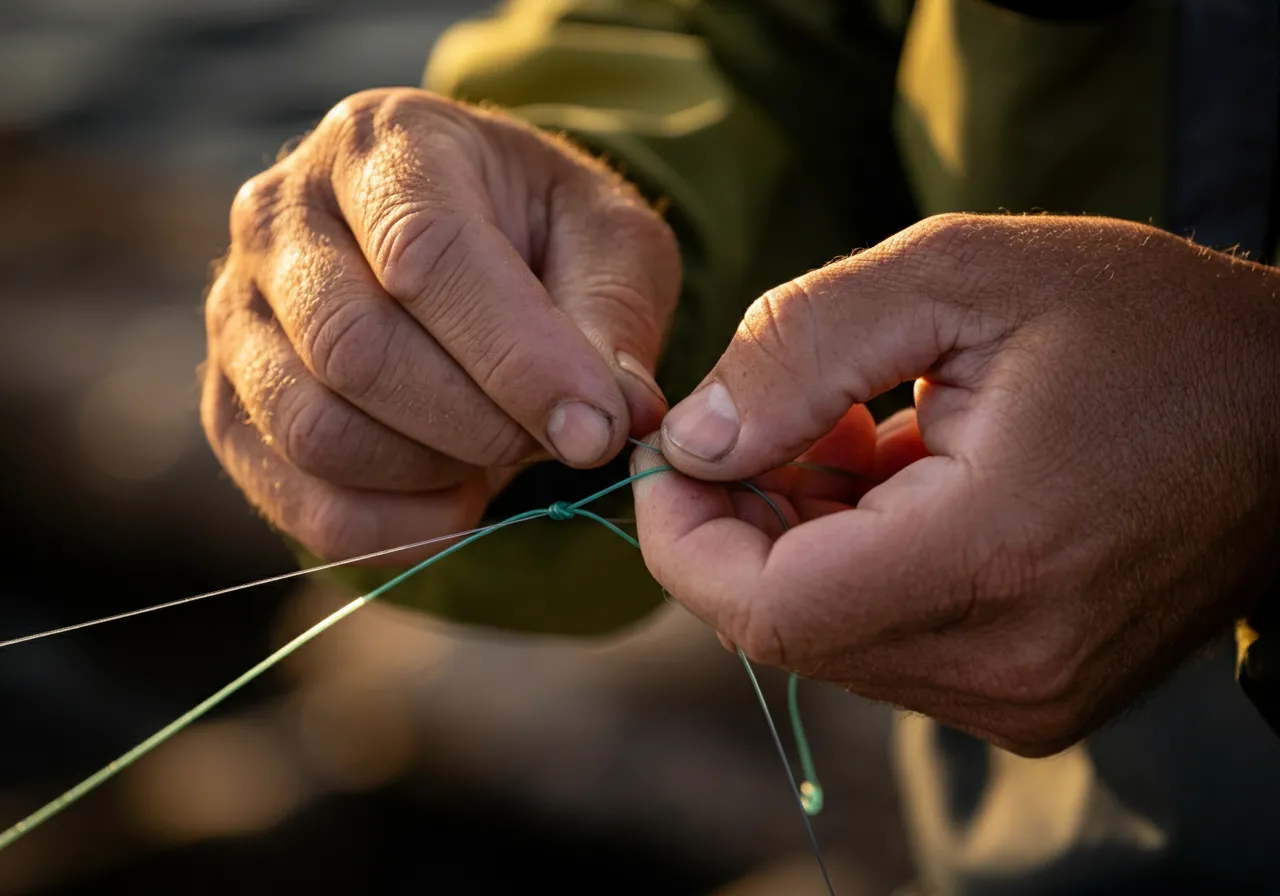
Step-by-Step: Rigging and Running the Spread
- Find the FAD (Fish Aggregating Device): Your first task is to locate floating structure. Watch for birds, scan the horizon for debris lines, and use your fish finder to mark anything suspended.
- The Initial Pass – The “Probe”: As you approach the structure, do not steer directly over it. Make a pass 50-100 yards to the side with your full spread out. This simulates a school of baitfish moving past their cover, often triggering an aggressive reaction from larger “bull” mahi holding underneath.
- The Hook-Up & The “Keep ‘Em Coming” Maneuver: When you get a hook-up, DO NOT immediately stop the boat or reel in the other lines. Mahi mahi travel in schools. Keep the boat in a slow, wide circle around the structure. The hooked fish’s struggle and the continuing lures will often keep the entire school fired up and eating at the surface.
- Switch to Pitch Baits: Once the school is committed, have a spinning rod rigged with a heavy jig or a live bait ready. You can often hook additional fish by pitching directly to surfacing mahi, a thrilling sight-fishing technique.
Gear Recommendations: Matching the Tool to the Task
You don’t need a mortgage-worth of gear, but you do need the right tools for the job.
| Category | Budget-Conscious Setup (Starter) | Pro-Tuned Setup (Performance) |
|---|---|---|
| Rod & Reel | 50-80 lb class conventional combo. A 6-foot rod with a fast tip for shock absorption and a reel with a smooth drag. | Two-speed lever drag reels (30-50 lb class for smaller “schoolies,” 80 lb for bulls). Rods with parabolic action to handle head-shakes and jumps. |
| Line | 65-80 lb braided mainline for sensitivity and no stretch. A 10-15 ft top shot of 50-80 lb monofilament or fluorocarbon leader. | High-visibility 65 lb braid to see strikes. A wind-on fluorocarbon leader (80-100 lb) for its near-invisibility and abrasion resistance. |
| Lures | Start with a simple spread: a diving plug (chugger), a skirted ballyhoo rig, and a cedar plug or small jet head. | A curated spread: “Daisy Chain” of ballyhoo for the shotgun, Ilander/chain combo in the corners, a small bird on the flat line, and a “witch doctor” or bullet head for deep runners. |
| Terminal Tackle | Strong, quality ball-bearing swivels and 8/0 to 10/0 circle hooks for live/dead bait. | Double-sleeved hooks on skirted lures, crimped connections on leaders, and planer releases for deep divers. |
The Honest Pros and Cons of Trolling for Mahi
Pros:
- Extremely effective for covering vast areas to locate fish.
- Allows you to present multiple bait profiles simultaneously.
- Can result in multiple hook-ups, leading to fast action.
- Ideal for targeting larger “bull” dolphin that often lead schools.
Cons:
- Fuel and time-intensive if you’re not skilled at reading water for structure.
- Can be gear-intensive to run a proper 5-7 lure spread.
- Less selective; you may catch other pelagics like tuna or wahoo.
- Requires constant attention to lines and steering to avoid tangles.
Mahi Mahi Trolling FAQ
Q: What’s the best color lure for dolphin fish?
A: In clear, blue water, natural blues, greens, and black/purple (“blue water”) excel. In stained or green water, switch to brighter colors like pink, orange, and chartreuse. Always have a “firetruck” (red/white) in the spread—it’s a proven producer.
Q: Do I need a big boat to troll for mahi?
A> Not necessarily. Many anglers successfully target mahi mahi in larger center consoles or even smaller seaworthy boats (23-28 ft). The critical factor is sea conditions and your ability to safely run offshore distances. Always put safety before the catch.
Q: What speed should I troll?
A> A good starting point is 6 to 8 knots. Your lures should have a consistent “tracking” action, not blowing out or sinking. Watch the wake of your lures and adjust speed until they look alive. Vary your speed occasionally to trigger reaction strikes.
Mastering these mahi mahi trolling tactics transforms offshore trips from hopeful searches into targeted hunts. It’s about understanding their world and speaking their language with your spread. Now, get out there, find that floating magic, and put these colorful fighters in the box. For more advanced techniques on handling and rigging specific baits, explore the other guides on this site.
Bottom Line
Success in mahi mahi trolling hinges on targeting floating structure, not trolling blind. Use a mixed spread of lures at 6-8 knots, keep the boat moving after a hook-up to hold the school, and always have pitch baits ready for sight-casting. Pair this strategy with proper safety, legal compliance, and ethical handling for the ultimate offshore experience.