How to Cast a Fishing Rod

You’ve tied on the perfect lure, you’ve found the perfect spot, and you make your cast. Instead of landing softly near that promising log, your lure splashes down ten feet short, scaring every fish for a mile. Or worse, you hear that dreaded “thwack” behind you as your hook finds a tree branch. Sound familiar? For many anglers, the cast is the weakest link. It’s the fundamental skill that connects you to the fish, and mastering it is the first step to consistent success.
Disclaimer: This guide is based on my professional experience. Always check your state fishing regulations and obtain the proper fishing license before you head out. Safety first: wear a PFD (life jacket) on a boat, be aware of your surroundings (especially other anglers and overhead power lines), and practice ethical catch-and-release to preserve our fisheries.
The Science of the Cast: It’s All About Loading the Rod
Think of your fishing rod not as a stick, but as a spring. A good cast isn’t about brute force; it’s about timing and loading that spring. When you bring the rod back, you’re compressing the spring (loading the rod’s flex, or “action”). The smooth, accelerating forward motion releases that stored energy, launching your lure. A bad cast—a jerky, arm-only motion—is like trying to throw a spring. All the energy gets wasted in the wobble. Your goal is to create a smooth, efficient transfer of power from your body, through the loaded rod, to your terminal tackle.
Safety, Legality, and Conservation: The Angler’s Responsibility
Before we grip the rod, let’s cover the non-negotiables. In the US, fishing without a valid license for your state is illegal and harms conservation efforts funded by those licenses. You can find your state’s requirements via the U.S. Fish & Wildlife Service. Always check the weather forecast; a sudden storm is more than just a ruined trip. On the water, a life jacket is essential gear, not optional storage. Finally, handle fish with wet hands, use proper tools for dehooking, and follow size/creel limits. We’re stewards of the resource.
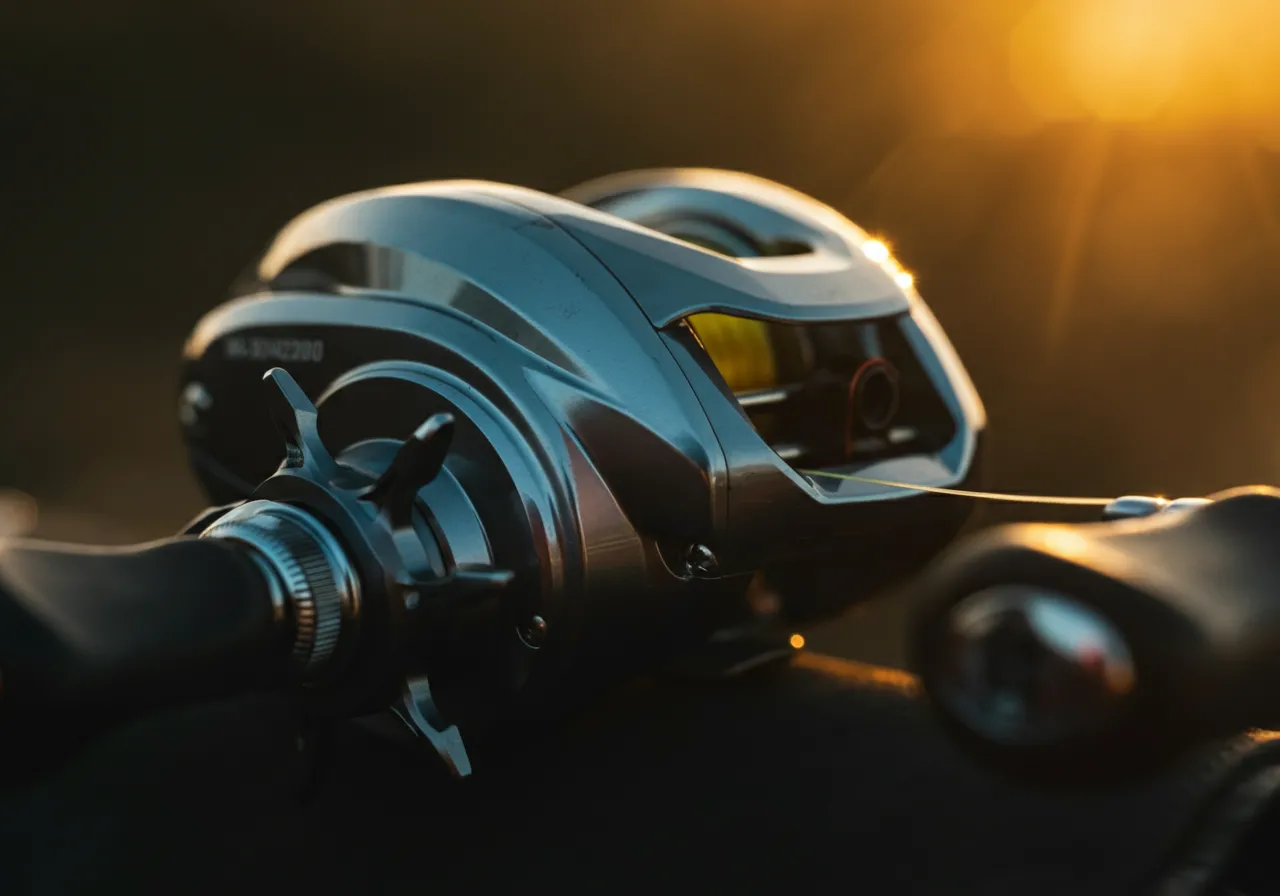
The Core Technique: Mastering the Basic Overhead Cast
This is the bread-and-butter cast for most situations. We’ll break it down step-by-step.
Step-by-Step Execution
- The Grip & Stance: Hold the rod with your dominant hand, your thumb on top of the rod grip for control. Stand with your feet shoulder-width apart, facing your target. Point your non-dominant shoulder toward the target.
- The Starting Position: Hold the rod tip low, pointing toward your target. With your other hand, open the bail (on a spinning reel) or disengage the spool (on a baitcaster). Pinch the line against the rod with your index finger.
- The Backcast (Loading the Spring): In one smooth motion, bring the rod tip up and back to about the 1 o’clock position. Stop here. This pause is critical—it allows the rod to load and the lure to swing back behind you. Don’t snap it; guide it.
- The Forward Cast (Releasing the Energy): Now, smoothly accelerate the rod forward, driving with your forearm and a slight pivot of your torso. Your power comes from this body engagement, not just your arm. As the rod passes the 12 o’clock position, release the line from your finger.
- The Follow-Through: Continue the rod’s motion down to a low finish, pointing toward your target. This ensures a smooth trajectory and helps prevent tailing loops or sloppy casts. Close the bail by hand (spinning) or engage the spool (baitcaster).
Gear Recommendations: Getting Started Right
You don’t need a $500 combo to learn. A reliable, medium-power, fast-action spinning rod and reel combo spooled with 8-12 lb monofilament is the perfect training tool. It’s forgiving and will teach you proper mechanics. As you progress, you’ll explore baitcasters for precision or heavier gear for big lures.
| Feature | Spinning Gear (The Reliable SUV) | Baitcasting Gear (The Sports Car) |
|---|---|---|
| Best For | Beginners, lighter lures, finesse techniques, versatility. | Accuracy, heavier lures, power fishing, experienced anglers. |
| Learning Curve | Low. Easy to use without major backlash. | High. Requires thumb control to avoid dreaded “bird’s nests.” |
| Typical Cost (Combo) | $50 – $150 (Great value starters) | $100 – $300+ (Quality matters more) |
| Key Advantage | Forgiveness and ease of use. | Precision casting and direct lure feel. |
Pros & Cons of the Overhead Cast
- Pros: Maximum distance potential. Versatile for most open-water situations. The foundational skill for all other casts.
- Cons: Requires a clear area behind you. Not ideal for tight cover or low-hanging branches. Can be less accurate in wind if not mastered.
FAQ: Your Casting Questions, Answered
How do I stop my spinning reel line from twisting?
This is often caused by reeling against the drag when a fish is pulling line out. Also, ensure your line isn’t overfilled on the spool. Using a quality swivel with certain lures can help, but proper drag use is key.
What’s the single biggest mistake beginners make?
Using too much wrist and not enough forearm. This creates a “whip” motion that kills power and accuracy. Focus on a stiff wrist and a smooth, accelerating pendulum motion from your elbow and shoulder.
How can I practice my casting when I’m not on the water?
Practice in your backyard! Tie on a practice plug (a rubber weight without hooks) or even a small ounce weight. Use a bucket as a target. This “dry fire” practice builds muscle memory without the pressure.
Mastering your cast is the first true skill in fishing. It turns random throws into targeted presentations. Start slow, focus on smoothness over power, and soon, you’ll be placing lures exactly where the fish are holding. Want to learn the next step? Check out our guide on how to work a topwater lure to turn those perfect casts into explosive strikes.
Summary
Casting a fishing rod effectively is about smooth, timed energy transfer, not brute force. Master the basic overhead cast by loading the rod like a spring, using your body (not just your arm), and following through. Always prioritize safety, legality, and conservation. Start with forgiving spinning gear, practice consistently, and you’ll unlock greater distance, accuracy, and fishing success.