Deep Drop Fishing Electric Reels

You’ve spent hours trolling the ledge, marking massive arches on your fishfinder suspended over 600 feet of water. You know the trophy snapper, grouper, and tilefish are down there, but the thought of manually cranking a 5-pound weight up from the abyss—only to drop it back down again—is enough to make your back ache. You’re leaving fish in the ocean because the physical barrier is just too great. That’s where modern technology bridges the gap.
Disclaimer: This guide is based on my two decades of professional experience. Always check your local state regulations for species-specific rules, size limits, and gear restrictions. Safety on the water is your responsibility. This article may contain affiliate links to products I genuinely use and recommend; your support helps keep this free resource running.
The Science of the Deep: Why Fish Live in the Dark
Think of the ocean’s depth zones like the floors of a high-rise apartment building. The bottom-dwelling species we target with deep drop fishing live on the ground floor, in a world of constant cold, high pressure, and near-total darkness. They are opportunistic feeders, conserving energy in a resource-scarce environment. Your bait, presented right on their doorstep, isn’t just food—it’s a rare, high-calorie delivery they can’t ignore. The key isn’t finesse; it’s precise, consistent presentation in their immediate strike zone.
Safety, Legality, and Conservation: The Non-Negotiables
Fishing at these depths introduces unique risks and responsibilities. This isn’t a casual inshore trip.
- Weather & Vessel Safety: You are fishing in bluewater. A sudden squall 20 miles offshore is a serious emergency. Always file a float plan, have a VHF radio and EPIRB, and wear your life jacket. Check marine forecasts religiously from sources like the National Weather Service.
- Licenses & Regulations: In the US, you typically need a state saltwater fishing license, plus often a federal reef fish permit or specific endorsements for species like snapper or grouper. Regulations on bag limits, minimum sizes, and seasons are strict and change frequently. Ignorance is not an excuse.
- Barotrauma & Ethical Harvest: Fish brought up from extreme depth suffer from barotrauma—the expansion of gases in their swim bladder. For species you cannot keep or wish to release, you must use a descending device or venting tool to return them to depth. It’s a critical act of conservation. Only keep what you can legally harvest and will consume.
The Electric Reel: Your Automated Winch to the Bottom
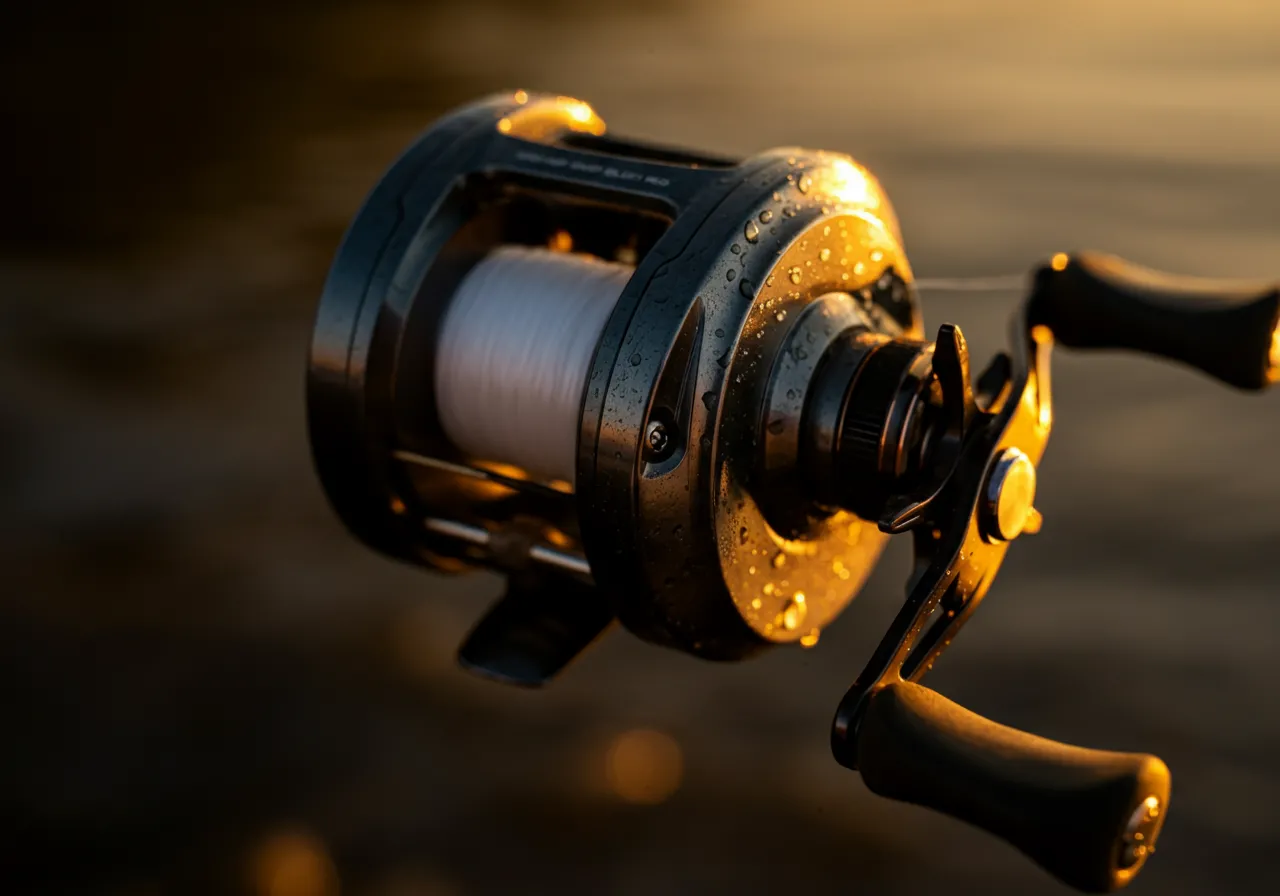
An electric reel for deep dropping isn’t about laziness; it’s about efficiency, precision, and physical sustainability. It allows you to make dozens of drops to precise depths, maintain perfect bottom contact, and fight the fish, not the weight of the gear.
Step-by-Step Deep Drop Execution
- Rigging Up: I use a 80-130 class rod with a roller tip. Your main line should be 50-80lb braid for zero stretch and sensitivity. Terminal rig is simple but heavy: a 5-10 lb cannonball weight on a clip, above a 3-6 foot leader of 80-100lb mono (for abrasion resistance) ending in a 8/0 to 12/0 circle hook. Bait with large squid, bonito strips, or whole small fish.
- The Drop & Soak: Engage your reel’s “slow drop” mode if it has one. This controls the descent and prevents line tangles. Watch your line counter or depth sounder. Once you hit bottom, engage the reel and raise your rig 5-10 feet off the seafloor. This is the strike zone.
- The Strike & Fight: With a circle hook, you do not “set” the hook. Simply engage the reel and let the steady pressure do the work. Use a medium drag setting—let the fish run if it needs to. Your electric reel’s “assist” mode will do the heavy lifting, but you should still pump the rod to work the fish.
- Retrieval & Reset: Once the fish is up, use the reel’s retrieve to bring up your weight. Reset your bait and send it back down. The ability to quickly reset is where you’ll put more fish in the box.
Gear Showdown: Budget Workhorse vs. Professional Tool
| Feature | Budget-Friendly Option (e.g., PENN FathomMaster) | Professional-Grade Option (e.g., Shimano BeastMaster) |
|---|---|---|
| Primary Use | Occasional deep drops, depths to 800ft | Commercial-style fishing, daily use, depths beyond 1000ft |
| Line Capacity | ~500 yds of 80lb braid | ~1000 yds of 80lb braid |
| Key Features | Basic up/down switch, manual drag, reliable motor | Programmable depth memory, variable speed control, digital readout, waterproof switches |
| Durability | Good for the weekend angler | Built for saltwater abuse and continuous operation |
| Analogy | A reliable pickup truck – gets the job done. | A heavy-duty tow truck – built for the toughest tasks daily. |
| Price Point | $400 – $700 | $1,500 – $3,000+ |
The Honest Pros and Cons
Pros:
* Accessibility: Opens up deep-water fisheries to anglers of all physical abilities.
* Precision: Digital depth counters allow you to fish a specific contour line repeatedly.
* Efficiency: More time fishing, less time exhausting yourself.
* Fish Fighting: You fight the fish, not the weight and current.
Cons:
* Cost: Significant initial investment for reel, rod, and heavy braid.
* Power Dependency: Requires a well-charged marine battery. A dead reel is a very heavy paperweight.
* Learning Curve: Understanding settings like “slow drop” and proper drag use is crucial.
* Perception: Some purists scoff at the “push-button” aspect. (I care more about putting clients on fish safely).
Deep Drop Fishing FAQs
Q: What’s the best time of year for deep dropping?
A: It’s often a year-round fishery, as deep water temperatures are stable. However, summer and fall typically provide the calmest sea conditions for extended offshore runs.
Q: Do I absolutely need a boat for this?
A: Yes. You need a capable offshore boat (typically 24ft+) with robust power and a large, reliable battery bank to run the reels and electronics for a full day.
Q: Is braided line mandatory?
A> For depths over 300 feet, yes. Mono has too much stretch and water resistance. The sensitivity and zero-stretch of braid are non-negotiable for feeling subtle strikes and efficiently setting the hook.
Ready to explore other techniques that match your local fishery? Browse our other guides to find the perfect strategy for your next trip, whether you’re chasing bass in a lake or tuna on the open ocean.
Final Cast
Deep drop fishing with electric reels is a game-changing method that turns inaccessible, deep-water structure into a productive fishery. By prioritizing safety, understanding the technology, and respecting the deep-water species, you can consistently target some of the ocean’s best-eating fish that were once out of reach for the average angler.