Catch and Release Tips

You’ve just fought a beautiful fish to the boat. The adrenaline is pumping, you snap a quick picture, and send it back on its way. But have you ever watched it swim away only to float belly-up a minute later? That sinking feeling is a gut punch for any angler who cares about the resource. The truth is, simply letting a fish go doesn’t guarantee it will live. Proper catch and release is a science and a skill, and doing it right is the mark of a true conservation angler.
Disclaimer: This guide is based on my two decades of guiding and marine biology study. Always check and follow your state-specific fishing regulations, including seasons, size limits, and gear restrictions. Your fishing license purchase directly funds conservation. Safety first: always wear your PFD, check weather forecasts, and fish with a buddy.
The Why: It’s Not Just About Letting Go
Think of a fish you’ve just caught like a marathon runner who has just sprinted an all-out 100-meter dash at the end of their race. They are physically exhausted, stressed, and have a buildup of lactic acid in their muscles. Their protective slime coat is compromised, making them vulnerable to infection. Our job isn’t just to put them back in the water; it’s to be their “sports medic,” stabilizing them and giving them the best possible chance for a full recovery. This is the core of ethical fish handling.
The Catch and Release Protocol: A Step-by-Step Guide
Your actions from the hookset to the release moment all add up. Follow this checklist for higher survival rates.
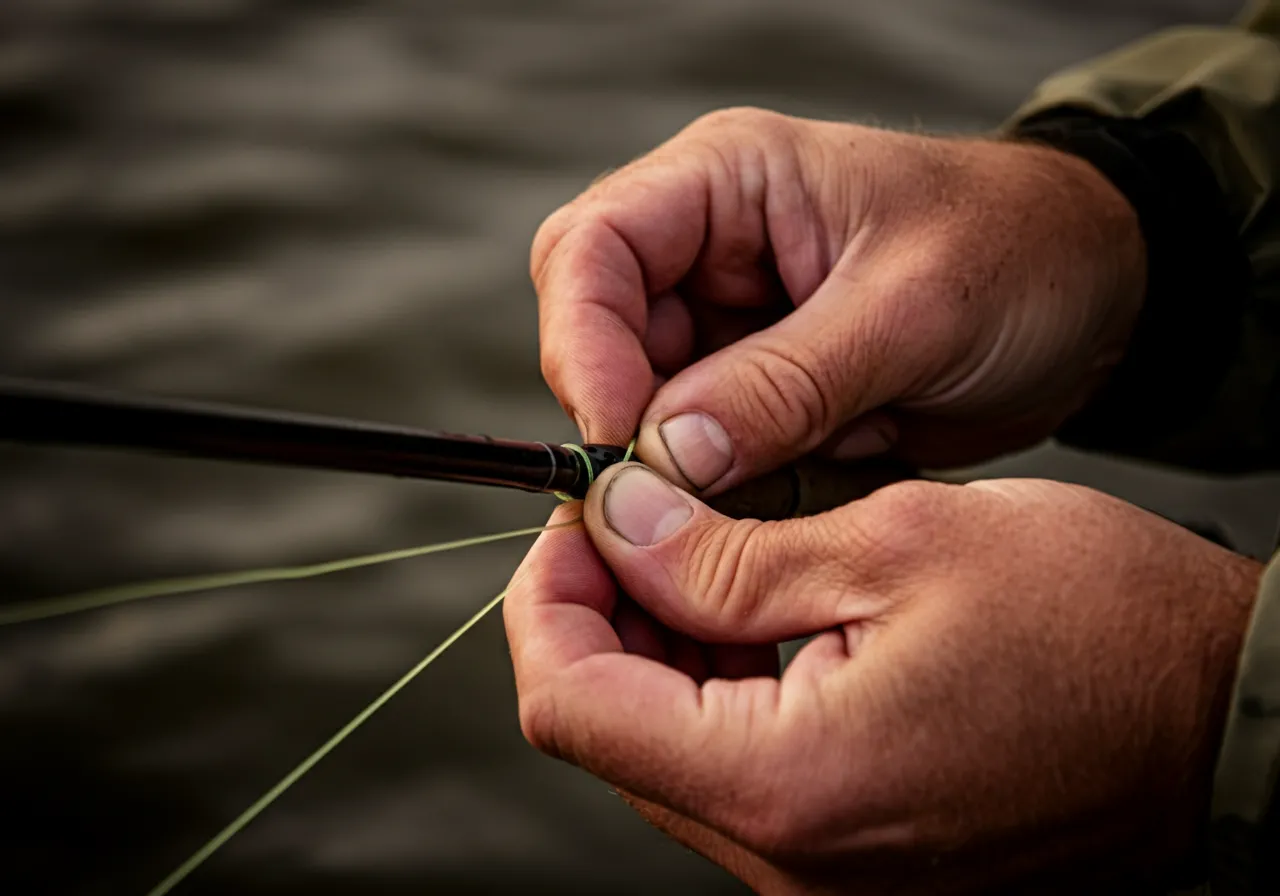
1. Gear Up for Success (Before You Even Cast)
- Use Appropriate Tackle: Don’t fight a 10-pound bass on ultralight gear for 10 minutes. Heavier line and a stout rod allow you to land the fish quickly, reducing exhaustion.
- Consider Hook Choice: Barbless hooks or hooks with crushed barbs are infinitely easier and less damaging to remove. Circle hooks, when used correctly (don’t swing!), almost always hook in the jaw corner, avoiding gut-hooking.
- Have Your Tools Ready: Long-nose pliers or forceps, a rubberized landing net (not knotted nylon!), and a camera on a lanyard or nearby surface.
2. The Fight & Landing
- Land It Promptly: Play the fish efficiently. A prolonged fight severely depletes its energy reserves.
- Net It Right: Use a rubber-mesh or knotless net. These are gentler on eyes, fins, and that critical slime coat. Never “beach” a fish on rough rocks or drag it onto dry land.
- Keep It Wet: As much as possible, keep the fish in the water. This is its oxygen source. If you must lift it, do so over the water so if it shakes free, it has a soft landing.
3. The Critical Handling & Photo Moment
- Wet Your Hands: Always wet your hands before touching the fish. Dry hands remove slime.
- Support the Fish: Never hold a large fish vertically by the jaw alone. For bass, use the classic horizontal grip, supporting its belly. For longer fish like pike or walleye, cradle it with two hands.
- Limit Air Exposure: This is the #1 killer. A fish out of water is like a human holding their breath while running. Aim for 10 seconds or less out of the water. If you need a better photo, revive the fish in the water, then lift it briefly for the shot. Get your camera settings ready beforehand!
- Remove the Hook Gently: Use your pliers. If the hook is deep in the gut or gills, it’s often better for the fish’s survival to cut the line as close as possible rather than causing massive trauma trying to dig it out. Many hooks will dissolve or work out over time.
4. The Release – It’s Not Over Yet
- Revive the Fish: Hold the fish upright in the water, preferably in a gentle current. Move it slowly forward and backward so water flows over its gills. You are giving it “mouth-to-mouth” resuscitation.
- Wait for the Signal: Don’t let go as soon as it kicks. Wait until it struggles powerfully to get away. This means it has regained its equilibrium and strength. It may take a minute or more for a tired fish.
- Let It Go: Gently release your hold and watch it swim away strongly. If it’s in current, point its head upstream.
Gear Comparison: The Right Tools for the Job
| Gear Item | Budget-Friendly Choice | Pro/Conservation Choice | Why It Matters for Release |
|---|---|---|---|
| Landing Net | Knotted Nylon Net | Rubberized or Knotless Mesh Net | Rubber mesh doesn’t scrape scales or trap fins, protecting the slime coat. |
| Pliers/Dehooker | Standard Needle-Nose Pliers | Long-Nose Fishing Pliers with Line Cutter & Crimper | Longer reach allows for safe hook removal from a toothy mouth without bringing the fish fully out of the water. |
| Hook Type | Standard J-Hook (Barbed) | Barbless Circle Hook or J-Hook with Crushed Barb | Barbless hooks remove easily with minimal damage. Circle hooks drastically reduce deep-hooking incidents. |
| Weighing Method | Lifting by Jaw on a Handheld Scale | Using a Rubberized Sling & Tripod Scale, or a Quality Lip Grip | A sling supports the entire fish’s weight. If using a lip grip, always support the belly, especially on larger fish. |
Pros and Cons of Strict Catch and Release
- Pros:
- Conservation: Ensures sustainable fish populations for future generations.
- Trophy Potential: That fish you release today can grow bigger for you or another angler to catch later.
- Ethical Satisfaction: There’s a deep pride in knowing you treated the animal with respect.
- Cons:
- Not Always 100% Effective: Even with perfect technique, some mortality occurs due to the stress of capture.
- Requires Discipline: It can be tempting to keep a beautiful fish, especially if it’s legal.
- Gear Investment: The best tools for safe handling (rubber nets, specific pliers) are an added cost.
Personal Anecdote: The Lesson of the Big Smallmouth
I once guided a client on Lake Erie who hooked into a massive smallmouth bass. We fought it perfectly, landed it in a rubber net, and had the camera ready. In his excitement, he held it out for what felt like an eternity—closer to 45 seconds—getting the “perfect shot.” We revived it, and it swam away. But five minutes later, I saw it floating listlessly nearby. We managed to revive it again, more thoroughly this time, and it finally powered down. That day burned into my memory: a trophy fish nearly lost for the sake of a few extra seconds of photo op. Time out of water is the silent killer.
Frequently Asked Questions (FAQ)
Q: What if the fish is bleeding from the gills?
A: A gill bleed is serious. Don’t put it back immediately. Hold the fish upright in the water to allow clotting, and revive it for a longer period. Survival chances are lower, but giving it a chance is better than nothing. In some cases, if regulations allow, this may be a fish to consider harvesting.
Q: Is there a water temperature when I shouldn’t practice catch and release?
A> Absolutely. In very warm water (e.g., over 75°F for many species), dissolved oxygen is lower and fish are already stressed. The added stress of capture can be fatal. Consider fishing during cooler parts of the day or shifting to species more tolerant of the heat. Conversely, in very cold water, handle the fish minimally as their metabolism is slow.
Q: Do I need to use a net?
A: For larger or toothy fish, a proper net is a critical tool for control and safety (for you and the fish). It allows you to secure the fish quickly without lifting it by the line or dragging it ashore. For smaller panfish, a gentle hand-landing is often fine if your hands are wet.
Mastering these fish handling techniques is one of the most important things you can do as an angler. It transforms you from someone who just catches fish into a true steward of the fishery. For the most current, science-backed guidelines, I always recommend checking the resources from the NO Fisheries Catch and Release Best Practices page.
Ready to up your game on the water? Explore our other guides on reading sonar, seasonal patterns, and lure selection to catch more fish—responsibly.
Summary
Effective catch and release is a deliberate process: use gear that lands fish quickly, handle them with wet hands, minimize air exposure to under 10 seconds, revive them thoroughly until they swim away strongly, and always prioritize the fish’s survival over the perfect photograph. It’s the ultimate sign of respect for the sport.