Mangrove Snapper Tips

You’ve found the perfect spot—a shadowy mangrove shoreline or a barnacle-crusted dock piling. You see flashes of silver and copper, but your bait disappears without a tell-tale tap. You reel in to find your shrimp neatly nipped in half. Sound familiar? Catching mangrove snapper (often called “gray snapper” or “mangos”) is less about brute force and more about a subtle game of finesse and observation. They’re one of the smartest, most line-shy inshore fish you’ll target. Let’s change those missed opportunities into a solid catch.
The Mind of a Mangrove Snapper: Think Like a Librarian
To consistently catch mangrove snapper, you need to understand their behavior. Don’t think of them as a ravenous predator like a jack crevalle. Think of them more like a cautious librarian in a quiet room. Sudden noises, heavy footsteps (or loud splashes), and thick, obvious lines (like loud patrons) will make them vanish. They are structure-oriented opportunists, using docks, bridges, and mangrove roots as both a cafeteria and a sanctuary. Your presentation must be quiet, precise, and natural. The vibration of a lightly weighted shrimp or the fluttering of a small jig is like whispering a secret—it draws them in without spooking them.
Safety, Rules, and Respecting the Resource
Before we talk gear and technique, let’s cover the non-negotiables. This isn’t just about catching fish; it’s about doing it right.
- Know Before You Go: Fishing license requirements, size limits, and bag limits for mangrove snapper vary by state. In Florida, for example, regulations differ between state and federal waters. It is your responsibility to check the current rules for your location. A great starting point is your state’s wildlife agency. For a prime example, you can review the latest saltwater fishing regulations at the Florida Fish and Wildlife Conservation Commission website.
- Weather Wisdom: Inshore doesn’t mean immune. Summer thunderstorms can brew in minutes. Always check a reliable marine forecast and have a plan to get off the water quickly. A life jacket (PFD) isn’t just gear; it’s essential equipment.
- Ethical Handling: Mangrove snapper are fantastic eating. If you’re keeping fish, dispatch them quickly and get them on ice. If practicing catch and release, use barbless or circle hooks, keep the fish in the water as much as possible, and support its body horizontally. Don’t “lip” them like a bass—their teeth are sharp, and you can damage their jaw.
The Finesse Arsenal: Gear for the Gray Ghost
You don’t need a mortgage-worthy setup, but you do need the right tools for a delicate presentation.
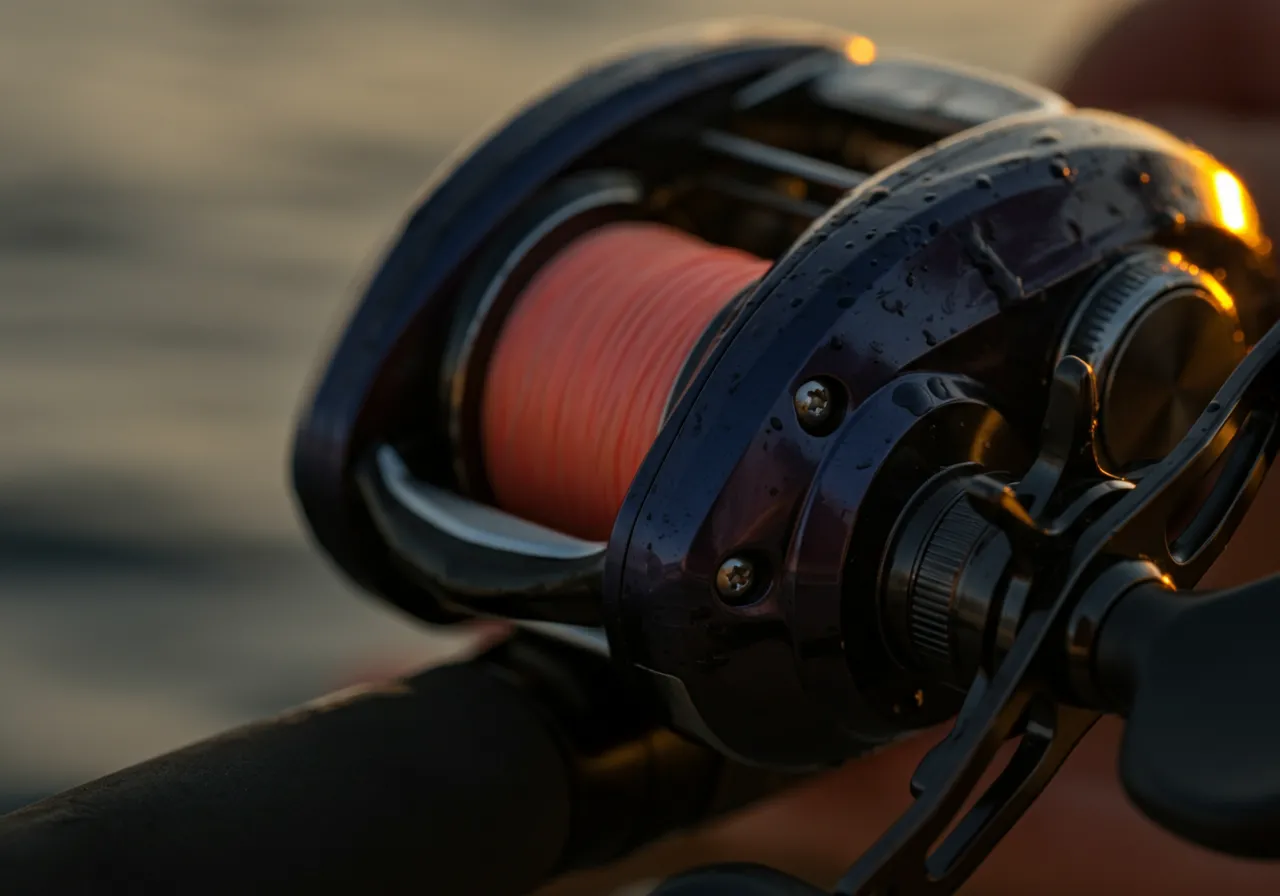
The Ideal Setup
- Rod: A 7-foot medium-light to medium power spinning rod with a fast tip. This gives you the sensitivity to feel the faintest nibble and the backbone to pull a fish from the roots.
- Reel: A 2500 or 3000-size spinning reel filled with 10-15 lb braided line. Braid has near-zero stretch, so you feel everything.
- The Critical Leader: This is your secret weapon. Always use a fluorocarbon leader tied to your braid with an FG or Uni-to-Uni knot. Fluorocarbon is nearly invisible underwater. I recommend 15-20 lb test leader, about 18-24 inches long. It’s strong enough to handle their abrasive gill plates and the structure, but thin enough to be stealthy.
Budget-Conscious vs. Pro-Tier Gear
| Gear Component | Solid Budget Choice | Pro-Tier Investment |
|---|---|---|
| Rod | Ugly Stik GX2 Spinning Rod | St. Croix Mojo Inshore Spinning Rod |
| Reel | Penn Pursuit III Spinning Reel | Shimano Stradic FL Spinning Reel |
| Line (Braid) | KastKing SuperPower Braid | PowerPro Super8Slick V2 Braid |
| Leader | Seaguar Blue Label Fluorocarbon | Seaguar Tatsu Fluorocarbon |
The budget setup will catch just as many fish on a given day. The pro-tier gear offers better sensitivity, smoother drag, and greater durability over years of saltwater use.
The Technique: Stealth and Patience
Here’s my step-by-step approach for dock and mangrove lines.
- Rigging: Tie a 1/0 to 2/0 circle hook or light-wire J-hook to your fluorocarbon leader. For bait, a live shrimp hooked lightly through the horn (just behind the dark spot on the head) is king. For artificials, a 1/8 oz jig head with a 3-inch paddle-tail soft plastic (like a DOA CAL Shad in glow or clear) is deadly.
- The Approach: Cut your motor early and drift or use a trolling motor. Avoid slamming hatches or dropping anchors. Sound travels far underwater.
- The Presentation: Don’t just cast at the roots. Look for current seams, eddies behind pilings, or small holes in the canopy. Cast up-current and let your bait drift naturally into the strike zone. If using the jig, a slow, subtle hop along the bottom is key.
- The Strike & Hookset: With a circle hook, do NOT jerk. When you feel weight or a steady pull, simply reel steadily to engage the drag—the hook will set itself in the corner of the mouth. With a J-hook, a quick, upward snap of the wrist is needed on the tap-tap.
- The Fight: Keep steady pressure. Your first goal is to get them out of the structure. Once in open water, let your rod and drag do the work.
Pros & Cons of This Finesse Approach
- Pros: Extremely effective on wary, pressured fish. Results in more hookups in the jaw (better for release). Lighter gear makes the fight more exciting. You’ll also catch sheepshead, redfish, and speckled trout.
- Cons: Requires patience and attention to detail. Lighter leader can be cut off on sharp barnacles or oyster beds. You may lose a bigger fish to the structure if your drag isn’t set correctly.
Mangrove Snapper FAQ
Q: What’s the best tide for mangrove snapper?
A: A moving tide is almost always best. The last two hours of an incoming tide and the first two of an outgoing tide are prime times, as bait gets swept along the structure.
Q: Can I catch them from shore or a pier?
A> Absolutely! Bridges, fishing piers, and seawalls with current flow are excellent spots. The same finesse principles apply—use a long leader and small, natural baits.
Q: What’s the single biggest mistake anglers make?
A> Using gear that’s too heavy. Thick monofilament and a loud splash from a heavy sinker will shut down the bite instantly. Downsize your terminal tackle and you’ll see an immediate difference.
Ready to put these tips to the test? Remember, success with mangrove snapper is a lesson in subtlety. Pay attention to the details, respect their wariness, and you’ll be rewarded with one of the tastiest and most satisfying catches in the inshore world. For more in-depth guides on reading water and advanced inshore tactics, explore the other articles on our site.
Bottom Line
Catching mangrove snapper consistently requires stealth, light line (especially a fluorocarbon leader), and a finesse presentation with live shrimp or small jigs. Always check local regulations, prioritize safety on the water, and handle your catch with care.