Bass Bed Fishing Ethics & Tips

You’re gliding across a shallow flat in late spring, the sun high, the water clear. Then you see it: a pale, dinner-plate-sized circle scraped clean on the bottom. Inside, a dark shadow hovers—a largemouth bass, locked on her nest. Your heart races. This is the ultimate game of chess in fishing: sight fishing for bedding bass. It’s incredibly effective, but it puts you face-to-face with the fish at its most vulnerable. Doing it right requires skill, patience, and above all, a conservation-minded ethic.
Disclaimer: This guide is based on my two decades of experience. Always check your state’s specific fishing regulations, as rules regarding targeting bedding bass (often called “bed fishing” or “sight fishing”) vary widely. Possession of a valid fishing license is mandatory. This article may contain affiliate links to gear I trust; your support helps keep this resource free.
Understanding the Bass Bed: It’s Not an Attack, It’s an Eviction
Before you make a cast, you need to understand what you’re looking at. In spring, as water temperatures climb into the 60s (Fahrenheit), female bass move shallow to create nests, or “beds,” by fanning their tails to clear silt and debris from hard bottoms. She then lays her eggs and guards them fiercely until the fry swim away. The male often guards the area afterward.
Think of the bed as her nursery. When you drop a lure in, you’re not mimicking food. You’re mimicking a threat—a bluegill, crawfish, or other creature trying to eat her eggs. Your goal isn’t to make her hungry; it’s to make her so mad she attacks the intruder to drive it off. It’s less like offering a steak and more like ringing a doorbell and running away. The strike is an act of defense, not predation.
The Ethical Angler’s Pledge: Safety & Stewardship First
This section is non-negotiable. Sight fishing for bass is a privilege, not a right. Our actions here directly impact future fish populations.
- Know Your State Laws: Some states have specific seasons, size limits, or outright bans on targeting visibly spawning bass. It is your legal responsibility to know these rules. The Take Me Fishing regulations page is a great starting point to find your state’s agency website.
- Practice Selective Harvest: If you choose to keep a fish, consider taking males or non-bedding fish. Removing a large female from her bed can doom an entire hatch of thousands of fry.
- Minimize Fight Time & Handle with Care: Use appropriate tackle to land the fish quickly. Keep her in the water as much as possible. If you must lift her for a photo, support her horizontally, wet your hands, and have the camera ready before you lift. Get her back to the bed immediately.
- Safety on the Water: Shallow, clear-water fishing often means standing on the deck, poling, or using a trolling motor. Always wear your PFD (life jacket), especially in a boat. Be sun-smart with hats, sunglasses (polarized are a MUST for seeing beds), and sunscreen.
The Sight Fishing Toolbox: Gear for a Precise Presentation
Finesse and accuracy win this game. You’re not bombing 50-yard casts; you’re making surgical, 20-foot pitches.
- Rod: A 7′ to 7’6″ medium-heavy or heavy power, fast-action spinning or baitcasting rod. You need sensitivity to feel subtle picks and backbone to steer a hooked fish away from the bed quickly.
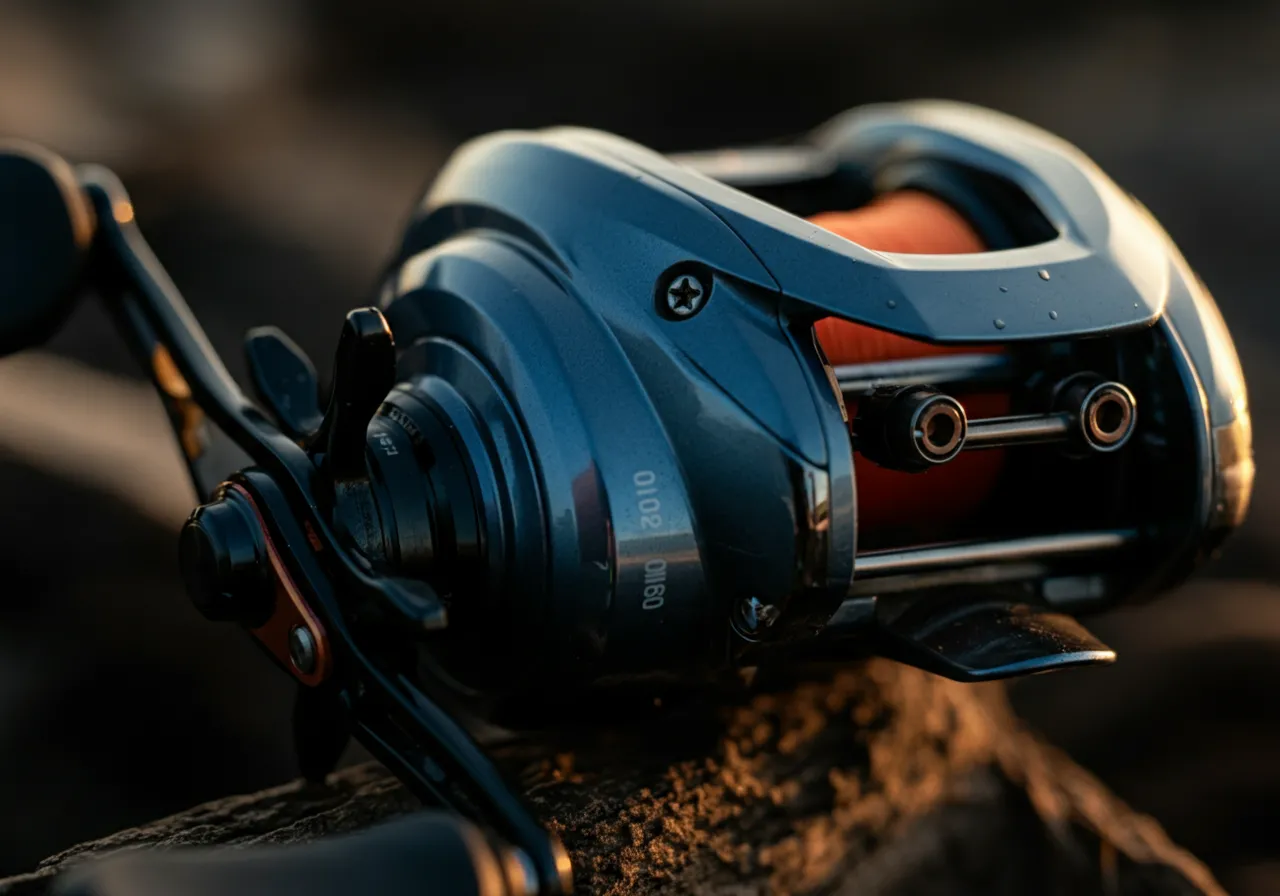
- Reel: A smooth-drag baitcaster or a size 3000 spinning reel spooled with…
- Line: 15-20 lb braided line as a main line. Its zero stretch gives you instant hook-set power and superb sensitivity. Always use a fluorocarbon leader (8-12 lb test) tied to the braid with an FG or Uni-to-Uni knot. Fluorocarbon is nearly invisible underwater.
- Lures (The Usual Suspects):
- Soft Plastic Creatures: A green pumpkin or black/blue “beaver” style bait or a craw imitation. They sit in the bed, kicking legs, looking like a perfect threat.
- Tube Jigs: The ultimate finesse bed-fishing bait. They flutter down naturally and can be dead-sticked right in the bed.
- Jigs with Craw Trailers: A compact, heavy punch that gets down fast.
| Category | Budget-Conscious Setup | Pro-Priority Setup |
|---|---|---|
| Rod & Reel Combo | Reliable store-brand MH/Fast combo. Sensitivity is good, durability is key. | High-modulus graphite rod (e.g., G. Loomis, St. Croix) paired with a high-speed reel with a carbon-fiber drag. |
| Line System | Quality 20-lb braid (like SpiderWire) to a 10-lb fluorocarbon leader (Seaguar Red Label). | Premium 8-strand braid (like PowerPro Super8Slick) to a 100% fluorocarbon leader (like Sunline Sniper). |
| Go-To Lure | 3.5″ Green Pumpkin Tube or a creature bait from a value pack. | Hand-poured, salt-impregnated soft plastics and custom-painted jigs for maximum appeal. |
| Biggest Advantage | Gets you on the water effectively without breaking the bank. | Marginal gains in sensitivity, lure action, and casting accuracy that matter on highly pressured fish. |
The Step-by-Step Dance: How to Work a Bedding Bass
- Spot the Bed: Use your polarized sunglasses. Look for light-colored, circular patches (often near wood, rock, or sparse grass). The fish will be a distinct, stationary shadow. Sometimes you’ll see the bass herself fanning.
- Approach with Stealth: Stay back. Use the wind or your trolling motor on low to position yourself for a cast. Avoid loud noises or slamming hatches.
- The Presentation: Pitch your lure past the bed and drag or hop it gently into the center. Let it sit. This is critical. The bass needs to see it and identify it as a threat.
- The “Maddening” Retrieve: If she doesn’t bite immediately, use subtle twitches to make the lure look alive but not fleeing. The goal is annoyance. Sometimes dragging it slowly away from the bed triggers her protective instinct to chase the “threat” off.
- The Strike & Fight: Bites can be a subtle “tap” or a vicious thump. Set the hook hard and immediately try to lead the fish away from the bed area to prevent her from spooking other fish or destroying the nest in the fight.
- The Release: Land her quickly. Revive her if needed by holding her upright in the water, moving her gently forward until she kicks powerfully from your grasp. Aim her back toward the bed.
Pros & Cons of Bed Fishing
- Pros: Incredibly exciting visual fishing. Allows you to target specific, often larger, fish. A supreme test of patience and presentation skill.
- Cons: Ethically contentious. Can be frustrating (fish often follow without biting). Highly dependent on clear water and sunny conditions. Puts significant stress on the resource if done carelessly.
Bed Fishing FAQs
Q: What’s the best time of year for bed fishing?
A: In most of the US, late spring, when water temperatures are consistently between 60-75°F. This varies by region—south earlier, north later.
Q: Do I need a boat?
A: A boat (especially a shallow-water craft like a bass boat or kayak) is extremely helpful, but you can sight fish from shore on clear, shallow banks. Wading is also an option in some lakes.
Q: What if the bass just noses my lure but won’t eat it?
A: She’s inspecting the threat. Try switching lure colors or styles (from a creature to a tube, for example). Sometimes a smaller, less intrusive bait is the key.
Mastering the art of sight fishing for bass will make you a more observant and skilled angler in all seasons. Remember, the true trophy isn’t just the fish in your photo; it’s knowing you played the game respectfully, ensuring those beds produce bass for seasons to come. Now, go put those polarized glasses to work—and handle with care.
Want to sharpen your skills for the rest of the year? Explore our other guides on summer deep-structure fishing or fall shad-run patterns right here on the site.