Bluefish Tactics and Gear

You hear the commotion before you see it. A hundred yards down the beach, the water is boiling, birds are diving, and you see a frantic angler’s rod bent double. You sprint, heart pounding, only to arrive as the frenzy ends. You cast into the slick, but your lure comes back untouched. The bluefish blitz is over, and you got skunked. Again. The frustration is real. These fish are aggressive, powerful, and everywhere one minute, then gone the next. The problem isn’t finding them—it’s being ready for them with the right tactics and gear to turn chaos into a controlled catch.
Disclaimer: This guide is based on my two decades of experience. Always check your local state regulations for size limits, bag limits, and seasons. I am not affiliated with any specific gear brands mentioned; recommendations are based on proven performance and value. Safety on the water is your responsibility.
The Science of the Slam: Understanding Bluefish Behavior
Think of a bluefish like a barroom brawler with the speed of a prizefighter. They don’t “feed” so much as they “attack.” Their primary motivation is pure, unadulterated aggression triggered by vibration, flash, and commotion. This is why they erupt into surface-blitzing frenzies, slashing through baitfish schools with a “take no prisoners” attitude.
The key analogy here is reading the road signs. You don’t just drive randomly hoping to find a town; you look for signs. For bluefish, the signs are:
- Birds Working: Diving terns and gulls are the #1 billboard for a blitz.
- Surface “Nervous Water”: A patch of water that looks like it’s raining or boiling.
- Slicks: Oily, calm patches amidst choppy water, created by the oils from decimated baitfish.
Your strategy isn’t to out-think them, but to match their chaos with precision. You’re not presenting a meal; you’re throwing a punch they can’t help but counter.
Safety, Licenses, and Respect for the Resource
Before we talk lures, let’s talk responsibility. Bluefish are a ton of fun, but they demand respect.
- Your License: Fishing in U.S. coastal waters requires a valid state saltwater fishing license. Regulations vary. For a prime example of state-specific rules, check the Florida Fish and Wildlife Conservation Commission’s bluefish page.
- Safety First: Surf fishing means watching the waves. Never turn your back on the ocean. Wear a wading belt if you’re deep, and always let someone know where you are. Check weather and tide reports religiously.
- Handling & Conservation: Bluefish have razor-sharp teeth and powerful jaws. Use a long-nose pliers or fish gripper. If practicing catch and release, keep them in the water as much as possible and avoid touching their gills. They are a vital, hard-fighting part of the ecosystem.
The Core Arsenal: Bluefish-Specific Gear Guide
Bluefish will destroy gear not built for them. Your setup must be a fortress.
The Rod & Reel: Your Battle Station
For surf casting, a 9 to 11-foot medium-heavy to heavy power rod is ideal. It needs backbone for long casts and horsing a fish through the surf. Pair it with a size 4000 to 6000 spinning reel or a conventional reel capable of holding 250+ yards of line. The reel’s drag must be smooth and strong.
Line & Leader: The Critical Connection
This is where most failures happen. Bluefish teeth will cut through monofilament or fluorocarbon like butter.
- Main Line: Use 20-30 lb braided line. Its thin diameter allows for longer casts, and it has no stretch, giving you solid hooksets.
- Leader: This is non-negotiable. You MUST use a wire leader. Single-strand wire (like American Fishing Wire) in 20-40 lb test is classic and affordable. Knotable titanium or heavy fluorocarbon (80+ lb) are more expensive but less kink-prone options. I always run a 12-18 inch wire trace.
Lures: The Triggers of Mayhem
Your lure selection should scream “wounded and easy.”
- Metal: Diamond jigs, Kastmasters, Hopkins spoons. They cast a mile, sink fast, and create incredible flash and vibration on a fast retrieve. The universal bluefish candy.
- Topwater Poppers & Walkers: When they’re blitzing on the surface, nothing is more exhilarating. A frantic “pop-pop-pause” retrieve mimics a fleeing, injured baitfish.
- Soft Plastic Swimbait Jigs: Rigged on a 1-2 oz jighead, a 5-7 inch paddle-tail swimbait retrieved steadily is an inshore killer, especially in estuaries and around jetties.
Step-by-Step Execution: From Cast to Catch
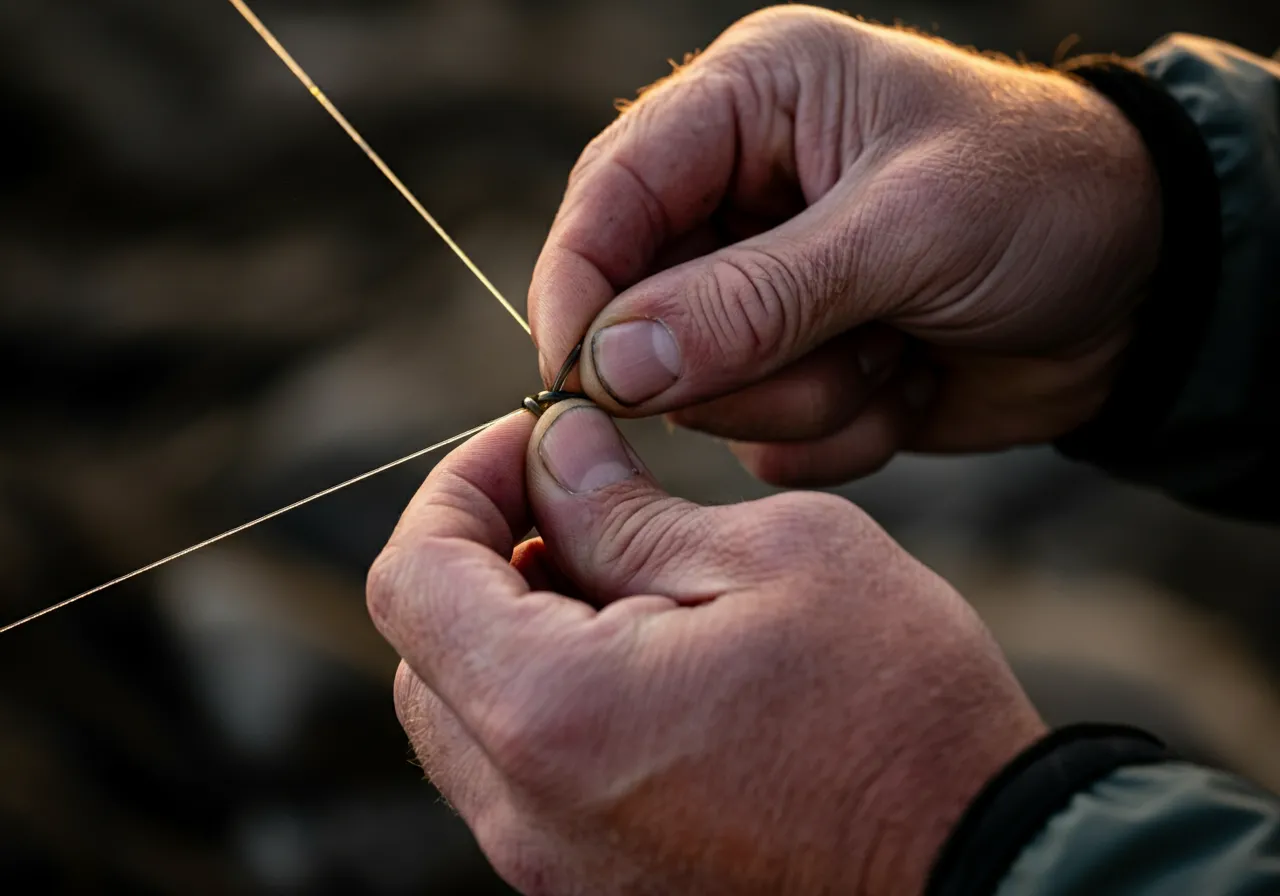
- Rig Up: Tie your braid to a small barrel swivel using an improved clinch knot or FG knot. Attach your wire leader to the other end of the swivel. To the wire, attach your lure using a haywire twist or a small snap (for easy changes).
- Read the Water & Position: Don’t just cast into the blitz. Position yourself up-current or up-wind of the action. Cast ahead of the moving school so your lure lands in their path.
- The Retrieve: Start reeling fast the moment your lure hits the water. Bluefish often strike on the drop or during a fast, erratic retrieve. Vary your speed, add sharp jerks. Make it look panicked.
- The Strike & Fight: You’ll often feel a solid “thump.” Set the hook hard—twice. Keep constant pressure and use the rod’s power to steer them away from structure and through the wash.
- Landing & Handling: Beach the fish on a wave. Immediately control it. Grab the wire leader, NOT the line. Use your pliers to dehook. Keep fingers away from its mouth.
Gear Comparison: Getting Started vs. Dialed In
| Gear Component | Budget-Friendly Starter Setup | Pro/Upgraded Setup |
|---|---|---|
| Rod | 10′ Medium-Heavy Graphite Composite Surf Rod (Ugly Stik GX2 is a tank) | 10’6″ Heavy Power, Fast Action Graphite Surf Rod (St. Croix Mojo Surf, TFO Tactical Elite) |
| Reel | Size 5000 Spinning Reel with a sealed drag (Penn Fierce III, Daiwa BG) | Size 6000 High-Speed Spinning Reel with Carbon Fiber Drag (Van Staal, Penn Slammer IV) |
| Line | 30 lb Braid (KastKing, SpiderWire) | 30 lb High-End Braid (PowerPro SuperSlick V2, Sufix 832) |
| Leader | Single-Strand Stainless Steel Wire (20 lb) | Knotable Titanium Wire or 80 lb Fluorocarbon Leader |
| Lure | 2 oz Diamond Jig, 5″ Popper | Custom-Painted Metals, High-End Walk-the-Dog Topwaters |
Pros & Cons of Targeting Bluefish
Pros:
- Extremely aggressive and willing to bite.
- Pound-for-pound, one of the hardest fighting fish in the surf.
- Often found in large schools, leading to fast action.
- Perfect for anglers who love topwater explosions.
Cons:
- Will destroy lures and cut lines without proper gear.
- Can be messy and bloody to handle.
- Frenzies are often short-lived and unpredictable.
- Not always considered the best table fare (strong flavor).
Bluefish Tactics FAQ
Q: What’s the best time of year for bluefish?
A: In the Northeast and Mid-Atlantic, peak seasons are spring (May-June) and fall (Sept-Oct) as they migrate. In the Southeast, they can be present year-round.
Q: Do I need a boat to catch them effectively?
A> Absolutely not. Some of the most exciting bluefish action happens from shore, piers, and jetties during blitzes. A boat simply lets you cover more water to find them.
Q: What’s the single most important piece of gear?
A: The wire leader. You can have the best rod and reel in the world, but without a wire leader, you’re just donating lures to the bluefish.
Ready to put these tactics to the test? The choppers are waiting. For more in-depth guides on reading tides, surf casting techniques, or handling other tough coastal predators, explore the other articles right here. Now get out there, check those regulations, and tight lines!
Summary
Catching bluefish consistently requires understanding their aggressive nature, using durable gear centered around a wire leader, and employing fast, erratic retrieves with metal lures or topwaters. Always prioritize safety, check local regulations, and handle these powerful fighters with respect to ensure the fishery thrives for years to come.