First Tackle Box Essentials

You’re standing in the tackle aisle, staring at a wall of shiny lures, mysterious tools, and a thousand different hooks. Your head is spinning. You just want to catch a fish, but the sheer amount of gear feels like a test you didn’t study for. Sound familiar? Building your first tackle box doesn’t require a second mortgage or a degree in marine engineering. It’s about mastering a few versatile essentials that catch fish anywhere, from your local pond to a sprawling reservoir. Let’s cut through the noise and build a foundation that works.
Disclaimer: This guide is based on 20+ years of professional angling experience. It contains unbiased recommendations. Always check your local regulations, which supersede any general advice here. Safety and conservation are your first responsibility on the water.
The Angler’s Roadmap: Why Simplicity Wins
Think of your first fishing kit like a mechanic’s first toolbox. A veteran mechanic doesn’t start with every specialized socket for a Ferrari; they start with a reliable hammer, screwdrivers, wrenches, and pliers—tools that can handle 80% of jobs. Your first tackle box is the same. We’re building a core set of “tools” that will handle 80% of the fishing situations a beginner will face. The goal isn’t to have a lure for every possible scenario, but to have confidence in the few you do carry.
Before You Buy a Single Lure: The Legal & Safety Checkpoint
Gear is useless if you can’t legally or safely use it. This isn’t the fun part, but it’s the most important.
- Fishing License: This is non-negotiable in the United States. Licenses fund conservation, habitat restoration, and fish stocking—the very things that make your fishing possible. Regulations vary by state, including seasons, size limits, and bag limits. You must visit your state’s wildlife agency website to purchase your license and learn the rules for your specific waterbody.
- Personal Flotation Device (PFD): If you’re fishing from a boat or near deep, fast water, a properly fitted life jacket is as essential as your rod. Check the weather before you go and tell someone your plans.
- Conservation Mindset: Carry a trash bag for your line and wrappers. Handle fish with wet hands if you’re releasing them, and have a plan for any fish you intend to keep. We’re guests in their home.
The Core Essentials: Building Your First Fishing Kit
We’ll break this down into three categories: Terminal Tackle (the connection to the fish), Lures & Baits (the attraction), and Tools (your on-the-water assistants).
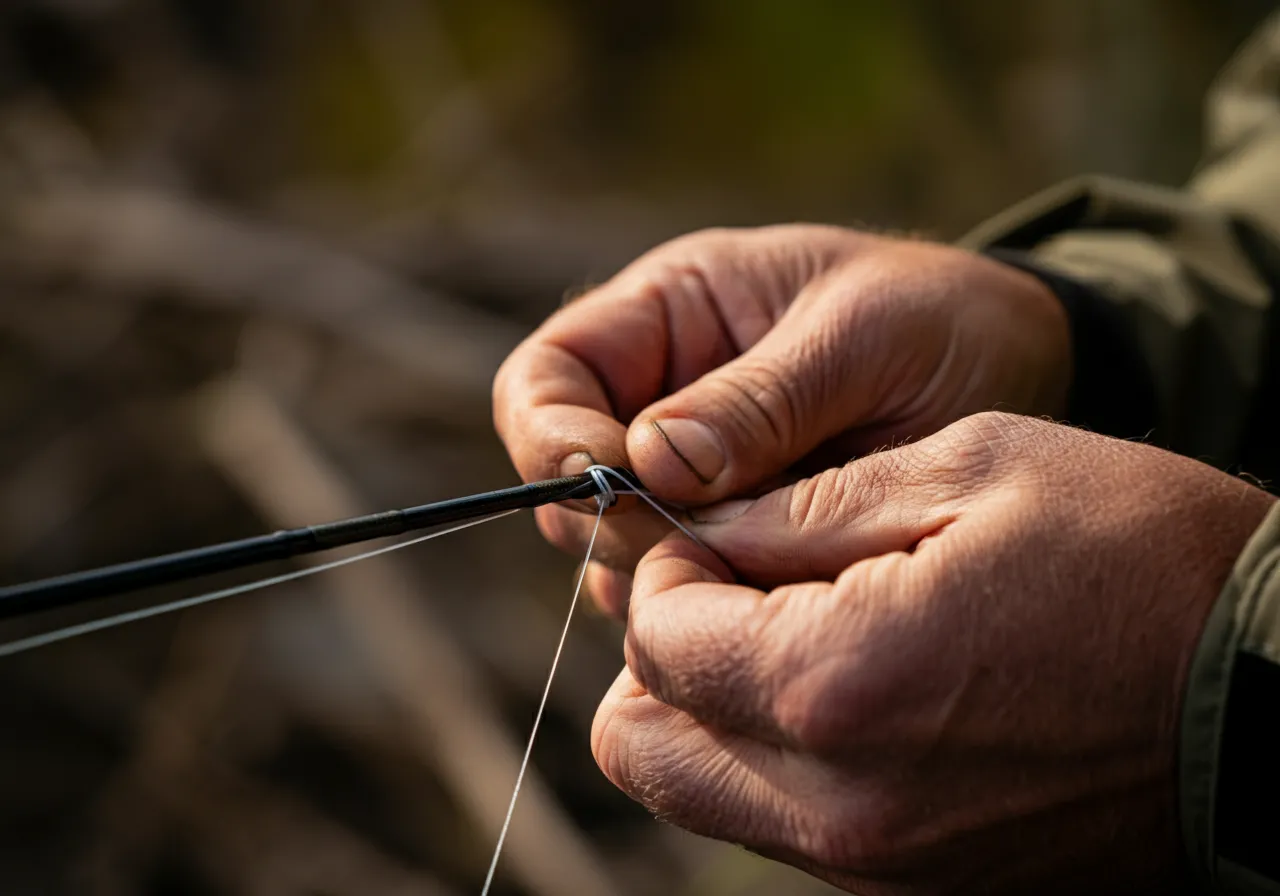
1. Terminal Tackle: The Unsung Heroes
This is the “hardware” that connects your line to your lure. Don’t cheap out here.
- Hooks: Start with a pack of Offset Worm Hooks (3/0 or 4/0 size) for soft plastics and a pack of Baitholder Hooks (Size 6 or 8) for live bait like worms. The offset shank is key for weedless rigging.
- Weights: A mixed pack of Bullet Weights (1/8 oz, ¼ oz, 3/8 oz) and a few Split Shot sinkers. Weight gets your lure down and helps you feel the bottom.
- Swivels & Snaps: A small pack of Barrel Swivels (Size 10) helps prevent line twist. A few Duo-Lock Snaps (Size 1) make changing lures a five-second job.
2. Lures & Baits: The Fish Catchers
Start with these four, which cover the water column from top to bottom.
- The Inline Spinner (e.g., Rooster Tail, Mepps): Your search lure. Cast it out, reel it in. The vibrating blade flashes and creates sound, calling in fish from a distance. Perfect for panfish, trout, and bass in shallow water.
- The Curly Tail Grub on a Jig Head: The most versatile combo in fishing. The 1/8 oz or ¼ oz jig head gets it down, and the curly tail provides irresistible action on a slow, steady retrieve or a gentle hop along the bottom. Catches everything.
- The Soft Plastic Stick Bait (Wacky Rigged): When fish are finicky, this is your finesse weapon. Simply hook a 5” senko-style stick bait through the middle (the “wacky” style) and let it flutter down. The dying, shimmying action triggers instinctual strikes.
- Live Bait Backup: Never underestimate a live nightcrawler under a bobber. It’s a timeless fish-catcher and a great confidence builder.
3. Essential Tools
- Pliers (Needle Nose): For crushing barbs (easier catch-and-release), removing hooks, and cutting line.
- Line Cutter/Nail Clippers: Fast, clean cuts.
- Fishing Line: Start with 8-10 lb test Monofilament. It’s forgiving, cheap, and versatile for a beginner. Spool it onto a medium-action spinning reel.
Budget Builder vs. Pro Starter: Your First Tackle Box Comparison
| Gear Category | Budget-Friendly Kit (Under $75) | Pro-Starter Kit (Investment Grade) |
|---|---|---|
| Fishing Line | Berkley Trilene XL Monofilament (Solid all-around performer) | PowerPro Braided Line (Sensitivity & strength) with a Fluorocarbon leader (Invisibility) |
| Hooks | Eagle Claw or Bass Pro Shops House Brand Packs | Gamakatsu or Owner Hooks (Sharper, stronger steel) |
| Lures | Classics like Rooster Tail, Beetle Spin, generic soft plastics | Name-brand versions (Mepps, Zoom, Yum) often have more consistent action & durability |
| Pliers | Basic stainless steel needle nose from a hardware store | Aluminum fishing pliers with cutters & sheaths (corrosion-resistant) |
| Box Itself | Plastic utility box from a craft store | Waterproof, compartmentalized tackle box like a Plano Guide Series |
Pros & Cons of This Starter Approach
Pros:
- High Success Rate: These lures and techniques are proven across decades and species.
- Minimal Overwhelm: You learn to master a few things rather than being confused by dozens.
- Cost-Effective: You’re not wasting money on niche, situational lures you don’t yet understand.
- Teaches Fundamentals: You’ll learn how to feel a bite, work different retrieves, and understand basic rigging.
Cons:
- Not Specialized: You won’t have the “perfect” lure for every single condition (yet).
- Requires Adaptation: You’ll need to learn how to change weight sizes and retrieves to match the day, rather than just switching lures.
FAQ: Your First Fishing Kit Questions, Answered
Q: Do I need a boat to use this starter kit?
A: Absolutely not. This kit is perfect for shore fishing, dock fishing, or wading. In fact, learning from the bank teaches you to read water and structure—a critical skill.
Q: What size rod and reel should I pair with this gear?
A> A 6.5 to 7-foot, medium-power, fast-action spinning rod paired with a 2500-size reel is the single most versatile combo you can own. It can handle everything in this kit.
Q: How often should I replace my fishing line?
A> Monofilament degrades with sun and time. If you fish regularly, re-spool at least once a season. Inspect the last 10 feet of line for nicks or abrasion after every fishing trip and re-tie if needed.
Ready to expand your skills? Explore our other guides on how to read water like a pro or the step-by-step breakdown of the Texas Rig to take your newfound foundation to the next level. Now, get that license, pack your box, and go make some memories. The water’s waiting.
Summary
Building your first tackle box is about strategic simplicity. Focus on the legal and safety basics first, then assemble a core kit of versatile terminal tackle (hooks, weights), proven fish-catching lures (inline spinner, jig & grub, wacky rig), and essential tools (pliers, cutters). Starting with a focused, high-quality selection of essentials is far more effective and less expensive than buying a random assortment of gear. Master these fundamentals, and you’ll be outfishing the guys with the overloaded boxes in no time.