Fishing Etiquette Rules

You’ve finally found the perfect spot—the current seam where the bass are stacked, the deep hole under the dock. You make the perfect cast, and just as your lure hits the sweet spot, another angler motors up and anchors 30 feet away, his radio blaring. The bite shuts down. We’ve all been there, and the frustration is real. More than just a list of “don’ts,” true fishing etiquette is about respect: for the fish, for the water, and for each other. It’s the difference between a peaceful, productive day on the water and a conflict that ruins it for everyone.
Disclaimer: This guide is based on decades of on-water experience. Always prioritize safety—check local weather and wear your PFD. Fishing regulations, including license requirements, vary by state. It is your legal responsibility to know and follow the rules for the specific body of water you are fishing. Ethical angling ensures the resource thrives for generations to come.
The “Why” Behind Fishing Etiquette: It’s Not Just Manners, It’s Strategy
Think of a productive fishing spot like a quiet library. Everyone is there for the same purpose, and a little consideration allows everyone to succeed. Loud noises, crowding, and disruptive behavior are like shouting in the reading room—it scatters the focus and ruins the environment for all. Fish, especially in pressured waters, are sensitive to disturbances. Good etiquette isn’t just about being polite; it’s about understanding that your actions directly impact the ecosystem and the success of every angler around you. By managing the “human noise,” we all catch more fish.
The Core Rules of On-the-Water Respect
These guidelines apply whether you’re on a mountain trout stream, a crowded bass lake, or an offshore party boat.
Respecting Other Anglers’ Space
- The Casting Bubble: Always maintain a respectful distance. On a bank or pier, don’t set up right next to someone. On the water, give anchored or shore anglers a wide berth—at least 100 feet if possible. If you see someone actively fighting a fish, reel in and give them room to land it.
- Right of Way: A boat that is anchored or drifting has the right of way over a boat under power. When passing, do so slowly and at a wide distance to minimize wake.
- Spot Stealing: If you see an angler working a specific stretch of bank or structure, don’t cut in front of them. It’s the aquatic equivalent of cutting in line.
Safety, Legal, and Conservation: The Non-Negotiables
- Licenses & Regulations: This is the foundation. Having a valid fishing license and knowing the specific regulations (size limits, bag limits, seasonal closures) for your location is law. It funds conservation and ensures sustainable fisheries. Always verify rules with your state agency.
- Proper Fish Handling: If you’re practicing catch and release, do it right. Use barbless hooks or crush the barbs, keep the fish in the water as much as possible, use wet hands or a rubberized net, and support its weight horizontally. A quick photo and a gentle release ensure the fish survives.
- Leave No Trace: Pack out everything you pack in—including discarded line, plastic wrappers, and bait containers. Monofilament line is a severe hazard to wildlife.
- Share the Knowledge, Not Just the Spot: Be willing to offer friendly advice if asked, but don’t pester others with unsolicited tips or crowd a spot someone else found.
Gear Guide: The Etiquette-Aware Angler’s Kit
Your gear choices can also reflect good etiquette on the water.
| Budget-Friendly & Considerate Gear | Pro-Level & Stealth-Focused Gear |
|---|---|
| Net: Rubber-coated landing net (safer for fish). | Net: Large, professional-grade rubber net with a long handle. |
| Line Management: A small container for used line to pack out. | Line Management: Line cutter/line-spooling station built into the boat. |
| Sound: Use headphones for music/podcasts. | Sound: Boat with a well-tuned, quiet electric trolling motor. |
| Communication: A simple wave or nod to acknowledge others. | Communication: Handheld VHF radio for clear, brief communication on big water. |
Step-by-Step: Executing a Polite and Effective Approach
- Scout & Plan: Arrive early and visually scout your intended area. Look for other anglers and identify natural lanes of travel.
- The Slow Approach: If using a boat, kill your motor and use your trolling motor or oars well before reaching your starting spot to avoid spooking fish and disturbing others.
- Anchor Smart: If anchoring, do so quietly. Don’t just drop the anchor—lower it. The loud “clank” travels far underwater.
- Fish Your Water: Focus on the water within your natural casting arc. Constantly casting over someone else’s line is a major faux pas.
- The Graceful Exit: When leaving, pack up efficiently and clean your area. If you were near others, a friendly “Good luck!” as you depart fosters a positive community.
Pros and Cons of Practicing Good Etiquette
Pros: Less conflict and stress. You’ll be welcomed in any fishing community. You’ll often find other respectful anglers are more willing to share tips. It directly leads to better fishing by minimizing pressure and disturbance. You become a steward of the sport.
Cons: It may require more patience. You might have to pass up a “hot” spot if it’s already occupied. It demands self-awareness and discipline.
Fishing Etiquette FAQ
Q: What’s the biggest etiquette mistake you see beginners make?
A: Crowding. The excitement of seeing fish caught can lead to moving in too close. Give space, and you’ll often be rewarded with your own opportunity.
Q: How do I handle someone who is being rude or fishing too close to me?
A> A calm, polite request is usually best: “Hey, mind giving me a little more room to swing this fish?” Most anglers will comply. If not, it’s often better to move yourself than escalate—your fishing time is too valuable to waste on conflict.
Q: Does etiquette apply on crowded party or charter boats?
A> Absolutely. Listen to the captain’s rules, don’t cross lines, reel up immediately when the boat is moving, and be mindful of your fellow anglers’ casting space. It’s a shared experience.
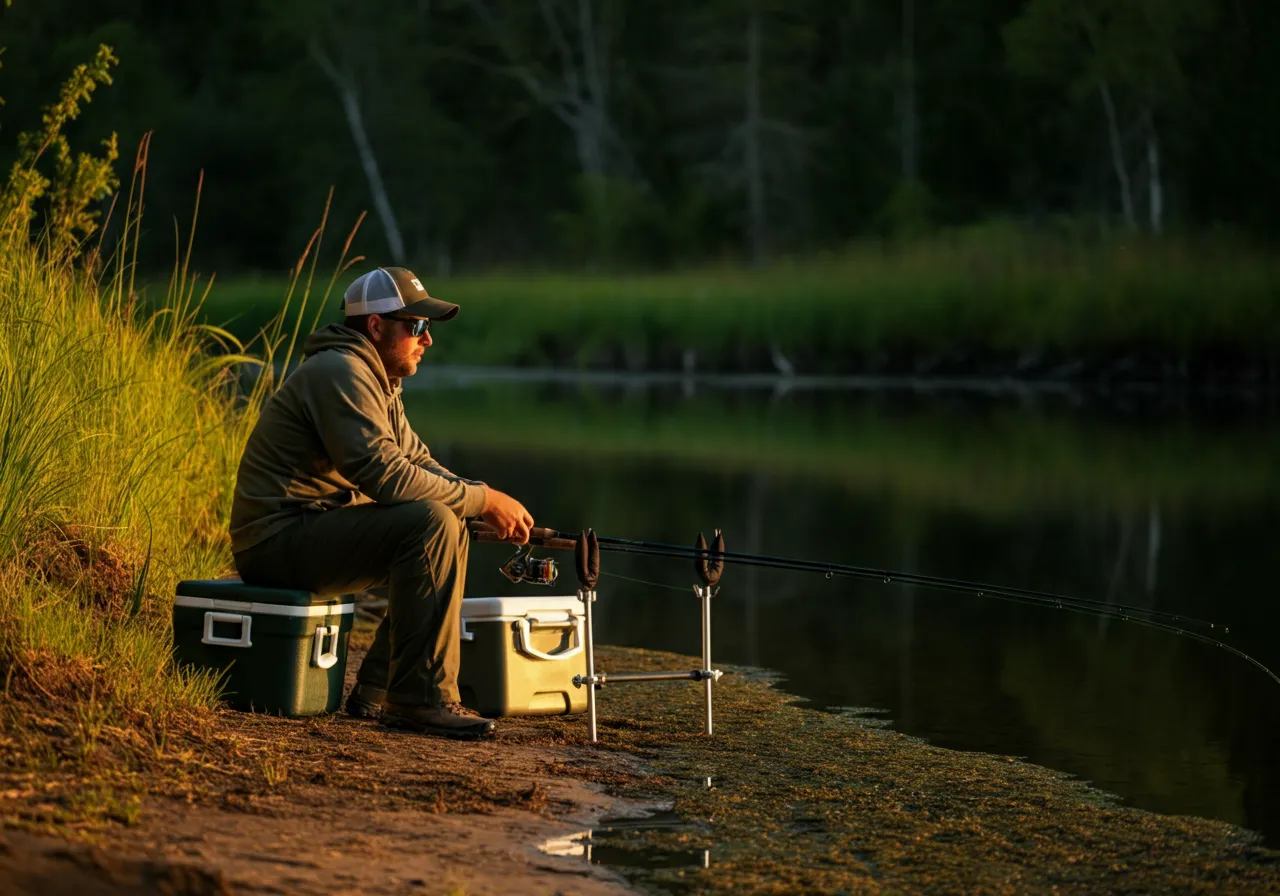
Mastering these unwritten rules will make you a more successful and respected angler. The water is a shared resource, and a little courtesy ensures we all get to enjoy it to the fullest. For the definitive legal rules that accompany this etiquette, always consult your state’s wildlife agency, such as the U.S. Fish & Wildlife Service, which provides links to state-specific regulations.
Ready to refine your techniques to match your newfound on-water manners? Explore our other guides on stealth presentations and reading water structure to complete your transformation into a consummate angler.
Summary
Fishing etiquette is built on respect for people, fish, and the environment. By giving space, following regulations, handling fish ethically, and minimizing your disturbance, you ensure a better experience for everyone and contribute to the future of the sport.