Flounder Gigging at Night

You’ve spent all day casting, retrieving, and hoping. The sun sets, and you head in, another skunked trip in the logbook. But what if I told you the real action starts when the sun goes down? While most anglers are packing up, a different kind of hunter is hitting the shallows, armed with lights and spears, for one of the most exciting and effective ways to harvest flatfish. Welcome to the world of flounder gigging.
Disclaimer: This guide is for informational purposes. You are solely responsible for knowing and adhering to all local regulations. This includes possessing a valid saltwater fishing license, understanding species-specific size and bag limits, and knowing which bodies of water permit gigging. Safety is paramount; always check weather and tide conditions, wear a PFD, and never gig alone. Practice ethical harvesting by only taking what you will use and gigging only fish you can positively identify and are legal to take.
The Science of the Shallow Flats: Reading the Nighttime “Road Map”
To succeed at flounder gigging, you need to think like the fish. Flounder are ambush predators. During the day, they often bury themselves in sand or mud in deeper channels or near structure. But as dusk falls and the water cools, they move into incredibly shallow flats to feed on shrimp, crabs, and small baitfish.
Think of a tidal flat at night like a busy highway system. The deeper creek channels and sloughs are the “interstates,” the main routes flounder use to move from deeper water to the feeding flats. The shallow flats themselves are the “neighborhoods” where they stop to hunt. Your job is to find the intersections. The edge where a sandy flat drops into a slightly deeper channel is prime real estate—a flounder waiting for a meal to drift by is like a driver pulled over at a rest stop, perfectly positioned.
They rely on camouflage, but this is where your light becomes your greatest tool. A bright beam neutralizes their disguise, revealing their distinctive oval outline and both eyes on the top of their head. It’s a game of stealth, light, and precision.
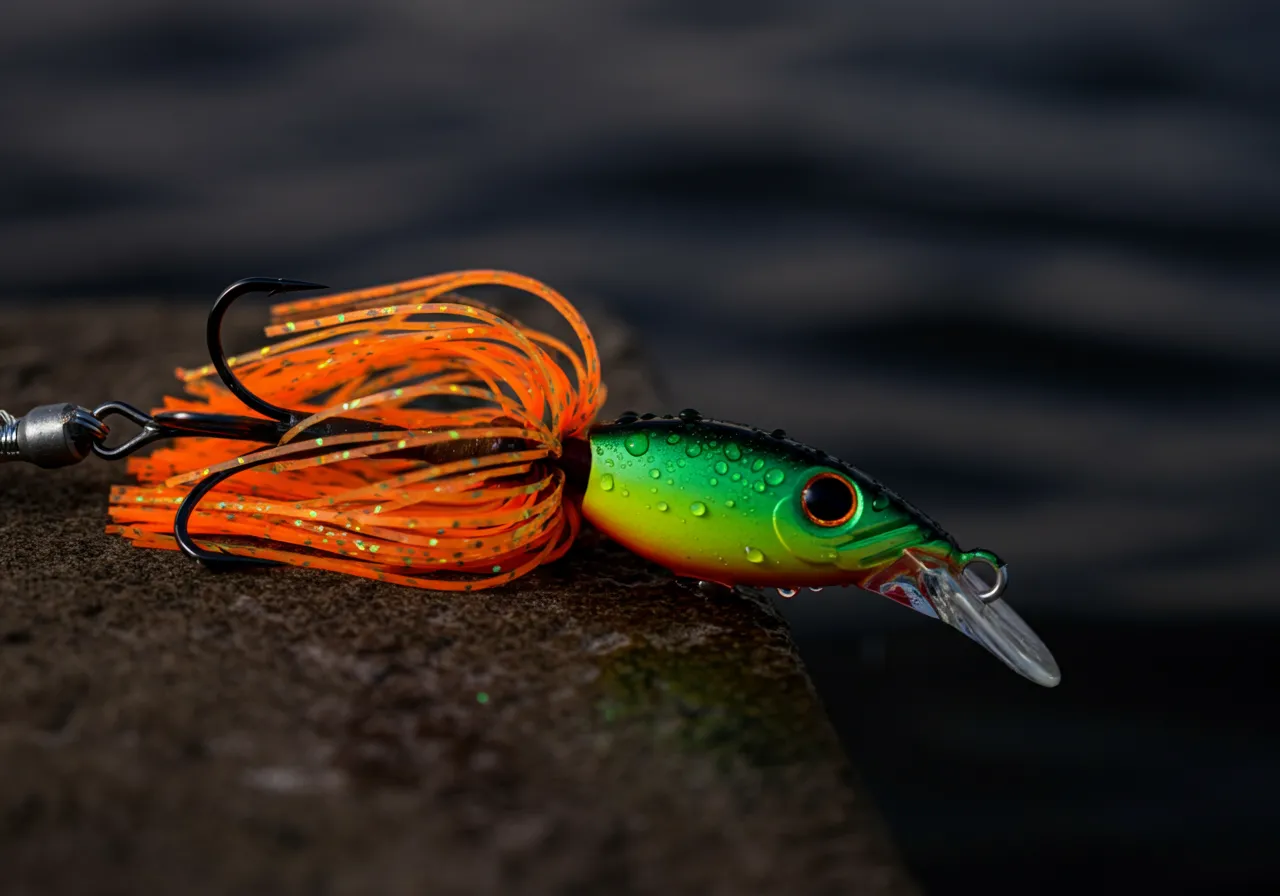
The Essential Gear: From Budget to Pro Setup
You don’t need a fortune to start, but having the right tools is non-negotiable. Here’s a breakdown.
Step-by-Step Gear Guide
- The Light: This is your most critical piece. You need a bright, waterproof spotlight or headlamp. LED lights are ideal for their brightness and battery life. A floating light is a wise investment.
- The Gig (Spear): A basic flounder gig has a 4-6 ft pole with a 3- or 4-pronged head. The prongs have barbs to hold the fish. Poles can be wood, fiberglass, or carbon fiber.
- Footwear & Clothing: Wear old sneakers or dedicated wading boots for protection from shells and oyster beds. Dress for immersion, not just the air temperature. In cooler months, neoprene waders are essential.
- The Carry: You need a stringer, a floating fish basket, or a mesh bag to hold your catch. A waterproof pouch for your license, keys, and phone is a must.
| Gear Item | Budget-Friendly Starter Kit | Investor/Pro Setup |
|---|---|---|
| Light | Powerful handheld LED spotlight with wrist strap. Check battery life. | 5000+ lumen LED headlamp with rechargeable battery pack, or a dedicated floating gigging light. |
| Gig Pole | Fixed-prong, 4-ft fiberglass pole. Simple and effective. | Carbon fiber telescoping pole (6-8 ft) with a removable, replaceable multi-prong head. Lighter and more versatile. |
| Footwear | Old athletic shoes or basic wading boots. | Neoprene wading boots with felt soles for slick surfaces, or full chest waders for colder/deeper water. |
| Extras | Basic stringer, waterproof phone case. | Floating fish basket, neoprene gloves, waterproof marine radio/VHF for safety. |
How to Gig Flounder: A Step-by-Step Night Mission
- Plan by the Moon & Tide: The best gigging happens on calm, dark nights. A new moon is ideal, as is an incoming tide that pushes bait (and flounder) onto the flats. Always consult a reliable tide chart. For safety, I also check the National Weather Service for marine forecasts and small craft advisories.
- Wade Slowly and Silently: Enter the water quietly. Noise and vibration will spook fish. Move at a snail’s pace, scanning methodically with your light.
- Scan and Identify: Sweep your light ahead of you. Look for the faint outline of a flounder, often just a slight “pancake” shape on the bottom. Look for the two eyes. Be absolutely certain of your target—do not gig stingrays, skates, or other non-target species.
- The Strike: Once identified, position the gig point 6-12 inches directly above the center of the fish’s body. In one smooth, firm motion, thrust straight down. Do not “swing” or “stab” sideways. A straight-down motion pins the fish to the bottom.
- Secure Your Catch: Lift the gigged flounder, place it on your stringer or in your basket immediately, and dispatch it humanely. Keep your catch cool.
The Honest Pros and Cons of Flounder Spearfishing
Pros:
– Incredibly effective harvesting method in the right conditions.
– Thrilling, active, and immersive way to experience the coastal night.
– Minimal gear cost to start. It’s often a social, family-friendly activity.
– You selectively harvest only the size and species you want.
Cons:
– Physically demanding (wading, often in cold water).
– Highly weather and tide-dependent. A windy night ruins visibility.
– Requires patience and a sharp eye. There’s a learning curve to spotting fish.
– Can be regionally limited; not all states or waters allow gigging. Always check regulations first.
Flounder Gigging FAQs
Q: What is the best time of year for gigging flounder?
A: In most southern and mid-Atlantic states, late summer through fall is prime, as flounder move shallow and feed heavily before migrating offshore. Spring can also be productive.
Q: Do I need a boat to go flounder fishing at night?
A> Not at all! Many of the best gigging spots are accessible by wading from shore, especially around public causeways, bridges, and sandy flats. A small kayak or jon boat can expand your range.
Q: Is a fishing license required for this type of flounder fishing?
A> YES. In every US state, a valid saltwater fishing license is required for gigging flounder. You are subject to the same size and bag limits as hook-and-line anglers. Regulations are strictly enforced.
Ready to experience the thrill of the hunt after dark? Mastering this technique opens up a whole new world of coastal adventure. For more in-depth guides on reading tides, finding fish, and other time-tested techniques, explore the other articles on our site. Now, get out there, stay safe, and good gigging!
Summary: Flounder gigging is a thrilling, moonlit hunting technique where anglers use bright lights and multi-pronged spears to harvest flounder in shallow tidal flats. Success depends on understanding tide movements, using proper gear (light, gig, footwear), and mastering a stealthy, precise approach—all while strictly adhering to local fishing licenses and regulations.