Ice Fishing Shelters Reviewed

You’re out on the ice, the wind is howling, and your fingers are so numb you can barely feel the line. Every gust cuts through your layers, and what was supposed to be a peaceful day of fishing has turned into a battle against the elements. You’re not fishing; you’re just surviving. I’ve been there, and it’s the fastest way to ruin a season. The single biggest game-changer for turning a miserable day into a productive, enjoyable one isn’t a secret lure—it’s a quality ice fishing shelter. Think of it not as a tent, but as your mobile command center on the ice, transforming a frozen expanse into a strategic, warm fishing hole.
Disclaimer: This guide is based on my 20+ years of experience on the ice. It contains unbiased reviews and recommendations. Always check your local state regulations for ice fishing seasons, shelter rules (some limit overnight use), and license requirements. Your safety is your responsibility.
The Science of Staying Warm: Your Shelter as a Heat Sink
Why does a simple shelter make such a drastic difference? It’s basic physics. On open ice, your body heat is constantly stolen by wind (convection) and radiates into the vast, cold air. A shelter, especially an insulated one, creates a dead air space. This trapped air acts as a barrier, drastically slowing heat loss. It’s like the difference between wearing a mesh shirt and a thick winter coat. The shelter becomes a “heat sink” in reverse—it holds the warmth you and your heater generate, allowing you to focus on fishing, not shivering. A good hut turns the lake from a hostile environment into a manageable, even cozy, fishing spot.
Safety & Legal Ice: The Non-Negotiables
No shelter, no matter how warm, is a substitute for safe ice. This is the most critical section you’ll read.
- Ice Thickness: Never trust ice by appearance alone. A minimum of 4 inches of clear, solid ice is required for foot travel. For ATVs or snowmobiles, you need 5-7 inches. For a small car, 8-12 inches. These are GENERAL guidelines; always check locally.
- Safety Gear: Always carry ice picks worn around your neck and a throw rope. Consider a floatation suit as your primary outer layer—it’s the ice angler’s life jacket.
- Never Fish Alone & Tell Someone: Always have a buddy and let someone on shore know your plan and return time.
- The Legal Hook: You must have a valid fishing license for the state you are in. Regulations on shelter tagging (with your name and address), overnight stays, and removal deadlines vary wildly. For authoritative, state-specific rules, always consult resources like the Michigan Department of Natural Resources or your own state’s agency.
Ice Fishing Shelter Types: A Detailed Breakdown
Choosing the right shelter is about matching it to your style. Are you a run-and-gun angler hitting 20 spots a day, or a base-camp settler who stays put?
1. The Flip-Over Shelter (The Sprinters)
These are my go-to for mobility. The shelter (a tent-like fabric) is permanently attached to a sled. You pull it, flip it over you, and you’re fishing in under a minute.
Best For: Anglers who move frequently, solo or duo fishermen, and those who like to travel light.
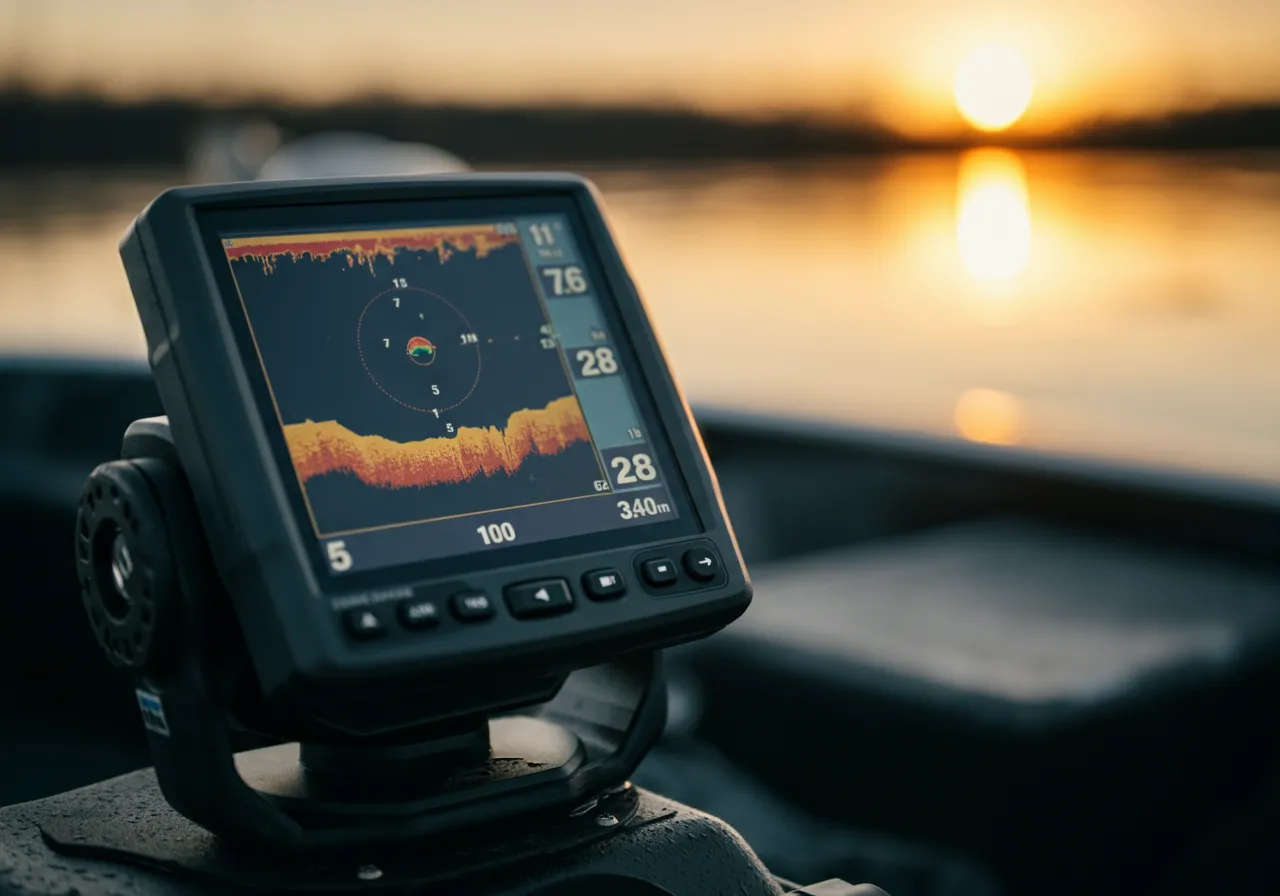
My Take: Nothing beats a flip for speed. I’ve used them to chase roaming walleye across a bay, setting up in seconds after my sonar marks a school. The sled carries all your gear, which is a huge bonus.
2. The Hub-Style Shelter (The Base Camp)
These are pop-up tents that use a collapsible frame. They pack down into a round bag and pop open to create a large, often spacious, room.
Best For: Groups of 3 or more, families, anglers who stay in one location all day, and those who want maximum interior space.
My Take: The living room of ice shelters. Fantastic for social fishing, playing cards between bites, or housing multiple holes. The trade-off is setup/take-down time and they can be a challenge in high wind if not anchored properly.
3. The Cabin-Style Pull-Over (The Hybrid)
These are a middle ground. They have a rigid frame that folds down onto a sled (like a flip), but often have more vertical walls and a taller ceiling, feeling more like a small cabin.
Best For: Anglers who want more room than a flip but easier setup than a hub. Great for 2-3 people who value a bit of comfort and headroom.
My Take: If you want to be able to stand up and stretch without leaving your shelter, this is your category. They tow well and offer a excellent blend of space and portability.
Gear Showdown: Budget Entry vs. Pro-Grade Investment
| Feature | Budget-Friendly Pick (The Reliable Starter) | Pro-Grade Investment (The Seasoned Veteran) |
|---|---|---|
| Example Type | Basic 2-Person Flip-Over | Insulated Hub or Thermal Flip |
| Material & Heat | 600D polyester fabric. Good windbreak, but will get cold. Requires more heater output. | Insulated, thermal fabric (often 300D+). Holds heat dramatically better, reduces condensation. |
| Frame & Durability | Steel poles (heavier) or lighter fiberglass. May be less stable in high winds. | High-grade, reinforced hubs or heavy-duty sleds. Built for abuse and harsh conditions. |
| Portability & Weight | Lighter, easier to pull by hand. Perfect for getting started. | Heavier due to insulation/features. Often requires an ATV or snowmobile for long moves. |
| Price Point | $150 – $350 | $500 – $1,200+ |
| Best For | New ice anglers, fair-weather fishermen, or those on a strict budget. | Serious anglers who fish often in harsh conditions, value comfort, and need durability. |
The Honest Pros & Cons
Pros of Using a Shelter:
- Extended Season: Fish comfortably in weather that would otherwise send you home.
- Increased Focus: You’re watching your sonar, not your thermometer.
- Better Hole Management: Holes freeze slower, and you have a dark environment to see down the hole better.
- Gear Protection: Electronics and reels stay out of the wind and snow.
Cons & Considerations:
- Cost & Bulk: An additional expense and item to store/transport.
- Mobility Limitation: Especially with hubs, moving is a process.
- Wind Hazard: All shelters can act as sails if not securely anchored.
- False Sense of Security: Never let warmth make you forget about changing ice conditions.
Your First Shelter: A Step-by-Step Buying Guide
- Assess Your Style: Be honest. Will you move every hour or set up camp? This decides the type (Flip, Hub, Cabin).
- Check the Capacity Tag: Manufacturers are optimistic. If it says “2-3 person,” buy it for 2. You need room for gear, a heater, and holes.
- Look for “Thermal” or “Insulated”: This is the #1 feature for comfort. It’s worth stretching your budget for.
- Inspect the Sled (for flips/cabins): Is it durable? Are the tow ropes secure? Does it have gear organizers?
- Practice at Home: Set up your new hub or flip in the yard before you hit the ice. Knowing the process prevents frustration in the cold.
Ice Fishing Shelter FAQs
Q: Do I really need a heater in an insulated shelter?
A: Yes. An insulated shelter retains heat; it doesn’t create it. A small, portable propane heater is essential for melting ice off your line and keeping you comfortable. Always ensure proper ventilation to prevent carbon monoxide buildup.
Q: What’s the biggest mistake new buyers make?
A: Buying too big. A massive 6-person hub is cumbersome for one person. Start with a shelter suited for your most common fishing party size. You can always go bigger later.
Q: Can I leave my shelter on the ice overnight?
A> This is entirely regulated by state and sometimes local laws. Many states require shelters to be removed daily or have strict tagging regulations if left. Always check your local regulations. Ethically, you should remove it to avoid littering the lake.
Choosing the right ice fishing shelter is the difference between enduring winter and conquering it. By understanding the types, prioritizing safety, and matching the gear to your style, you’ll unlock more fishing days and catch more fish in comfort. Now that you’re armed with the knowledge, get out there and enjoy the hard water season. For more tips on ice fishing techniques and gear, explore the other guides on our site.
Bottom Line: An ice fishing shelter is a critical investment for comfort and success. Prioritize insulated models that match your mobility needs, and never compromise on ice safety or legal compliance.