Inline Ice Reels Benefits

You’re huddled over your ice hole, hands numb, staring at your rod tip. You see the slightest twitch—a bite! You set the hook, but instead of a smooth, direct connection, your reel spool hesitates, the line coils and springs, and the fish is gone. That frustrating moment, my friend, is often the work of line memory from a traditional spinning reel in the cold. There’s a better way.
Disclaimer: This guide is based on my two decades of experience on the ice. Always check your local state regulations for licenses, seasons, and bag limits before heading out. Safety is paramount—never fish alone, check ice thickness constantly, and dress for immersion. This is an unbiased look at the gear; some links may be affiliate links which support our work at no extra cost to you.
The Cold, Hard Problem: Why Traditional Reels Fight You on Ice
Standard spinning reels are fantastic tools, but on the ice, they have a fundamental flaw. Their design forces the line to come off the spool in tight coils, which are then exacerbated by freezing temperatures. This “line memory” creates spring-like coils that kill sensitivity, cause tangles, and can lead to missed strikes. It’s like trying to read a delicate braille message while wearing thick, stiff gloves.
The Science of the Spool: Your “Direct Dial” to the Fish
An inline ice fishing reel solves this by aligning the spool directly with the first guide on your rod. The line comes straight off the spool without any twisting or coiling. Think of it as the difference between a tangled garden hose and a straight, pressurized fire hose. The energy from your jigging stroke and the bite from the fish travels directly up that straight column of line to your hands with zero interference. This design isn’t just different; it’s biomechanically superior for the vertical presentation of ice fishing.
Safety, Licenses, and Respect on the Ice
Before we get to the fun stuff, let’s cover the non-negotiables. Ice fishing is an incredible experience, but it demands respect.
- Licenses: You must have a valid fishing license for the state you are in. Regulations vary wildly, so always check the official source. For a prime example of comprehensive state rules, visit the Minnesota Department of Natural Resources fishing page.
- Ice Safety: No fish is worth your life. Use a spud bar to test ice as you go. A minimum of 4 inches of clear ice is required for walking. Tell someone your plans and expected return time.
- Ethical Angling: Practice selective harvest. Understand the regulations for the species you’re targeting. Handle fish quickly and gently if releasing, and always pack out more trash than you brought in.
The Inline Ice Reel Advantage: A Step-by-Step Gear Guide
Switching to an inline system is simple, but knowing how to use it maximizes the benefit.
Step 1: Rigging for Success
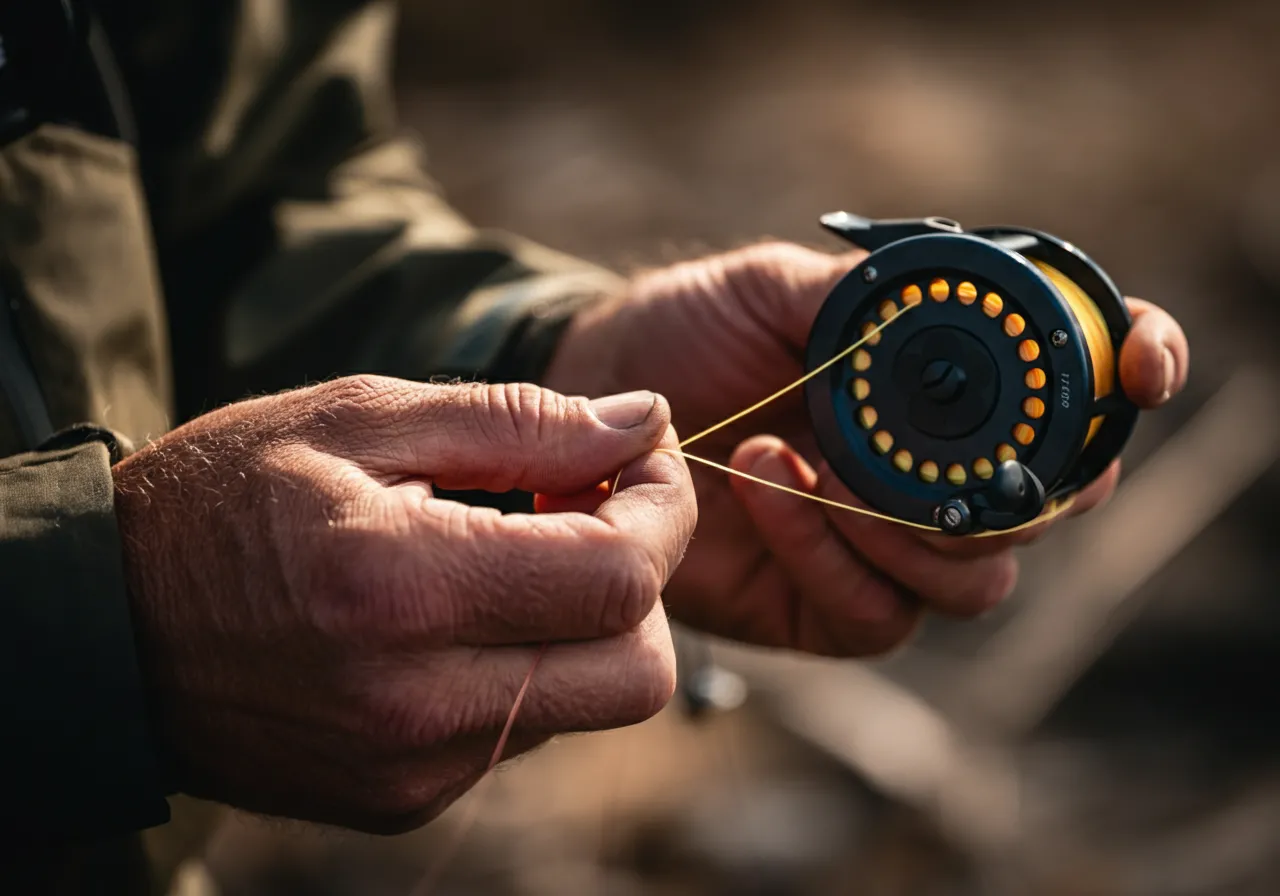
Start with a dedicated ice fishing rod, typically between 24-36 inches. Thread your line (I recommend 2-6 lb test fluorocarbon or a superline like braid with a fluorocarbon leader) through the rod guides. On the inline ice reel, you’ll notice the spool is open-faced. Spool the line under the line clip, fill the spool to about 1/8-inch from the rim, and secure it back in the clip. This prevents overfill and tangles.
Step 2: The Perfect Drop & Presentation
With your jig or lure tied on, disengage the reel (most have a simple thumb bar). Let the lure free-fall straight down the hole. The lack of coil memory allows it to fall in a perfectly vertical, natural manner. This is critical for finicky panfish like perch and bluegill.
Step 3: Jigging and Detecting Strikes
This is where the magic happens. Your subtle jigging motions translate directly to the lure. More importantly, bites are transmitted directly to your rod tip and fingers holding the line. You’ll feel “ticks” and weight changes you never could with a coiled line. The retrieve is also smooth and even, perfect for slow, tantalizing lifts.
Choosing Your Gear: Budget Conscious vs. Pro Performance
| Feature | Budget-Friendly Option | Pro-Performance Option |
|---|---|---|
| Reel Material | Durable composites, graphite | Machined aluminum, carbon composites |
| Drag System | Basic rear drag, can be sticky in cold | Sealed, multi-disc drag, ultra-smooth |
| Bearings | 1-2 bushings or basic bearings | 3+ stainless steel or ceramic bearings |
| Weight | Lighter, can feel less balanced | Precision-balanced for fatigue-free use |
| Ideal For | Beginner, occasional angler, panfish focus | Serious angler, tournament fishing, walleye/pike |
| Price Point | $20 – $50 | $80 – $200+ |
The Honest Truth: Pros and Cons of Inline Ice Reels
Pros:
- Eliminates Line Memory: The #1 benefit. Straight line equals supreme sensitivity.
- Superior Sensitivity: Feel the lightest bites directly.
- Better Lure Action: Allows for a perfectly vertical, natural jigging presentation.
- Reduced Tangles: No line coils mean far fewer wind knots and snarls.
- Lighter & More Balanced: Sits directly in line with the rod for less wrist fatigue.
Cons:
- Learning Curve: Managing the free-spool takes a little practice to avoid bird’s nests.
- Not for Heavy Lures/Jigging: Most are designed for finesse, not punching heavy spoons for lake trout.
- Cost: High-end models are a significant investment.
- Retrieve Speed: Generally have a slower retrieve ratio than spinning reels.
Inline Ice Reel FAQs
Q: Can I use my regular summer fishing line on an inline reel?
A: You can, but I don’t recommend it. Use line specifically rated for cold weather (low-memory fluorocarbon or a superline like braid). Standard monofilament will still have memory, defeating the reel’s purpose.
Q: Are these reels good for big fish like pike or lake trout?
A: For big pike or lakers with heavy lures, a traditional spinning reel or a specialized, heavy-duty inline with a strong drag is better. For walleye and average-sized pike, a quality inline ice fishing reel with a good drag is excellent.
Q: How do I prevent the dreaded “backlash” or tangle when dropping my lure?
A> Control the spool with light thumb pressure as the lure falls. Don’t just let it scream off unchecked. A small piece of foam under the line on the spool (a “line conditioner”) can also add just enough tension to prevent overrun.
Ready to transform your time on the hard water? Browse our other guides on winter panfish tactics, sonar tips for ice fishing, and essential safety gear to make your next trip your best one yet.
Final Cast
An inline ice reel is more than just a different piece of gear; it’s a tool that corrects a fundamental physical problem of ice fishing. By delivering a direct, coil-free connection to your lure, it increases your sensitivity, improves your presentation, and ultimately helps you catch more fish. It’s the closest thing to holding the line in your bare hands without freezing your fingers off.