Jigs for Every Situation

You’ve been working that weed line all morning. The spinnerbaits are silent, the crankbaits are coming back clean. You’re starting to doubt your spot. Then, on a whim, you tie on a simple, lead-headed jig. A few casts later, you feel that unmistakable “thump”—not a peck, but a heavy, deliberate pull. You set the hook, and the fight is on. That’s the power of a jig. It’s not just a lure; it’s a problem-solver for when the fish get lock-jawed and finicky.
Disclaimer: This guide is based on my two decades of professional angling experience. Always check your local state fishing regulations and obtain the proper fishing license before heading out. Practice catch and release when appropriate, handle fish with wet hands, and always prioritize safety with a properly fitted life jacket (PFD). Weather can change in an instant; check forecasts and know when to head in.
Why a Jig Works: The Science of the “Thump”
Think of the underwater world like a busy diner. Fast-moving lures are the shouting waiters—they get attention, but often cause the fish to just look up and go back to their meal. A jig is the quiet, irresistible special being slid right under their nose. Its success boils down to two things: profile and action.
The compact, weighted head and flowing skirt or trailer mimic a crawfish scuttling backward, a baitfish dying, or a goby hopping along the bottom. That “thump” you feel is the jig head hitting structure—rocks, wood, gravel. This sound and vibration are a dinner bell to predators. It’s a targeted, finesse approach that says, “Easy meal here,” triggering a reaction strike even in heavily pressured fish.
The Angler’s Toolkit: Jigs for Every Scenario
Not all jigs are created equal. Choosing the right one is like selecting the right tool from your toolbox. Here’s your breakdown.
1. The Flipping & Pitching Jig (The Heavyweight)
This is your brute-force tool. It features a stout hook, a heavy weed guard, and a streamlined head designed to punch through the thickest matted grass, laydowns, and brush piles where big bass live.
When to Use: Heavy cover, matted vegetation, docks.
Retrieve: Pitch or flip it precisely into cover. Let it fall, then hop it gently, letting it settle back into the shadows.
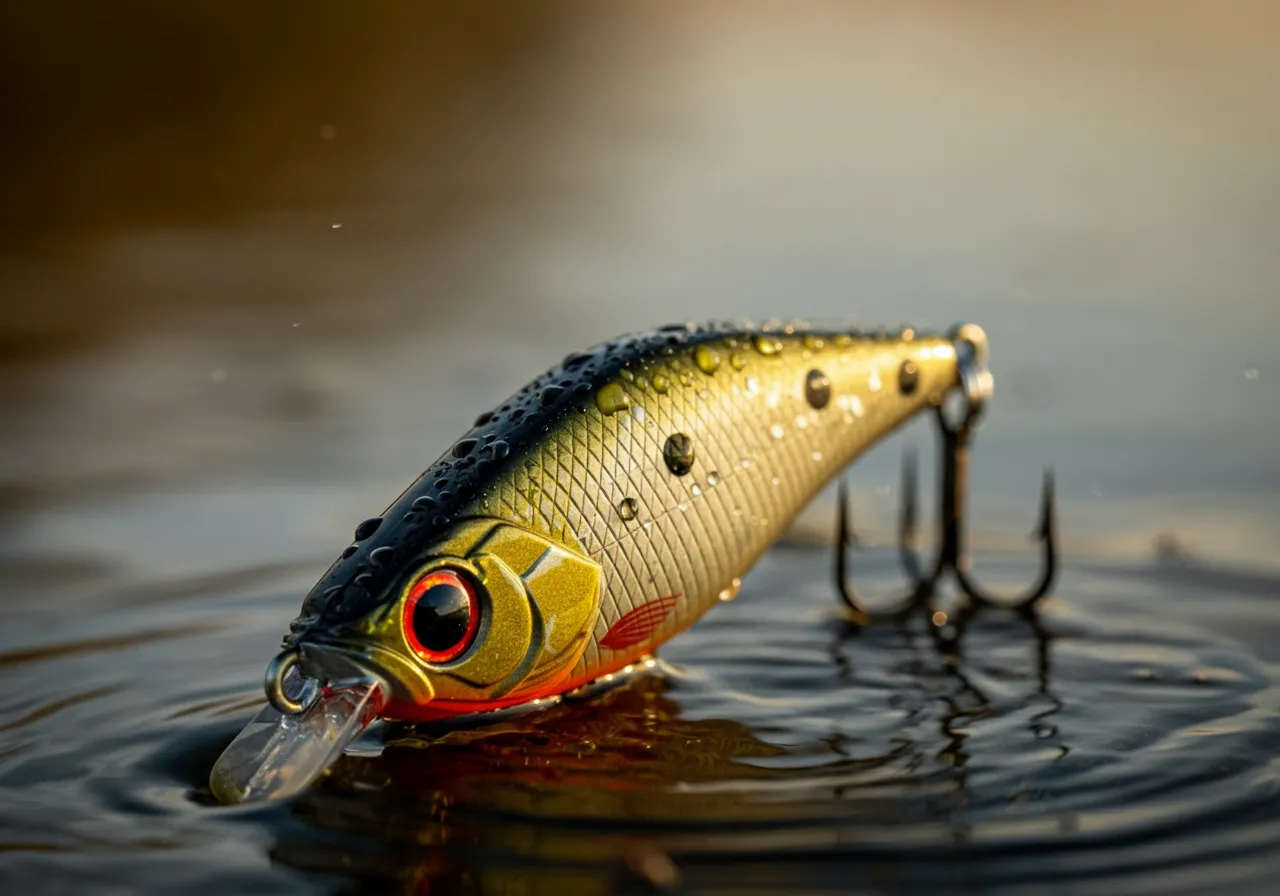
2. The Football Jig (The Bottom Scout)
Named for its unique head shape, this jig is built for one thing: maintaining contact and stability on rocky bottoms. The football head rocks and wobbles as you drag it, imitating a foraging crawfish perfectly.
When to Use: Offshore rock piles, ledges, gravel points, main lake structure.
Retrieve: A slow, methodical drag-and-hop. Focus on feeling every bump of the bottom.
3. The Finesse Jig (The Persuader)
When the bite is tough, the water is clear, or the fish are pressured, downsize. The finesse jig has a smaller profile, lighter wire hook, and is often paired with a subtle plastic craw or minnow trailer.
When to Use: Clear water, cold fronts, post-spawn, highly pressured lakes.
Retrieve: Lighter gear is key. Use a slow, shaking retrieve or small hops. Let the jig do the convincing.
4. The Swim Jig (The Search Bait)
Don’t let the name “jig” fool you here. The swim jig, with its pointed, weedless head and upward-facing hook, is designed to be retrieved steadily through cover. It’s a fantastic search bait that can cover water like a spinnerbait but with a more natural, flowing presentation.
When to Use: Grass edges, submerged vegetation, scattered brush.
Retrieve: A steady reel, with occasional pops or pauses to trigger strikes.
Rigging and Fishing a Jig: A Step-by-Step Guide
- Tie It Right: Use a Palomar knot or Improved Clinch knot for maximum strength. I prefer a loop knot for swim jigs to enhance action.
- Trailer Matters: Match the trailer to the forage. A chunk-style trailer for crawfish, a paddle-tail for baitfish. Ensure it’s snug on the hook.
- The Cast & The Fall: This is the most critical moment. Make your cast. As the jig falls, keep your rod tip at 10 o’clock and your line taut. Watch for any tick, twitch, or simply the line going slack—set the hook!
- The Retrieve: Be patient. After the fall, use your rod tip to impart action. A series of short hops, a drag, or a steady swim. Let the fish and conditions tell you what they want.
Gear Showdown: Getting Started vs. Going Pro
| Gear Component | Budget-Friendly Setup (Starter Kit) | Pro-Tuned Setup (Tournament Ready) |
|---|---|---|
| Rod | 7′ Medium-Heavy, Fast Action Composite Rod. Good sensitivity to learn the “feel.” | 7’3″ Heavy or Medium-Heavy, Extra-Fast Action High-Modulus Graphite Rod. Maximum sensitivity for detecting light bites. |
| Reel | 6.3:1 or 7.1:1 Gear Ratio Baitcasting Reel. Focus on smooth drag. | High-Speed (8:1 or higher) Baitcaster with a lightweight, strong frame and carbon drag. |
| Line | 12-17 lb Monofilament or Copolymer. More forgiving for beginners. | 30-50 lb Braided Mainline with a 12-20 lb Fluorocarbon Leader. Zero stretch for hooksets, invisibility of fluoro. |
| Jig Itself | Quality-branded “value pack” jigs. Focus on getting the head shape and weight right. | Hand-tied jigs with premium hooks, skirts, and specialized head designs for specific scenarios. |
The Honest Truth: Pros & Cons of Fishing with Jigs
Pros:
- Versatility: One lure for countless situations and species (bass, walleye, saltwater).
- Effective in Heavy Cover: Gets where other lures can’t and where big fish live.
- Catches Big Fish: Its presentation often targets larger, more predatory fish.
- Year-Round Use: Effective in all seasons, from ice-out to winter.
Cons:
- Steep Learning Curve: Requires developing a sensitive “feel” for bites.
- Can Be Slow: Not always a fast, water-covering technique.
- Snag-Prone (if fished incorrectly): You will lose jigs to the wood and rock gods.
Jig Fishing FAQs
Q: What color jig should I use?
A: Start simple: Green Pumpkin/Black & Blue for stained water, Brown/Green Pumpkin for clear water. Match the hatch—if the crawfish are orange, use an orange trailer.
Q: I keep missing strikes on the fall. What am I doing wrong?
A> You’re likely not watching your line. Keep it tight. The bite is often a subtle “tick” or the line just swimming off. Set the hook on anything that feels different!
Q: Do I need special gear to start jig fishing?
A> Not special, but appropriate. A medium-heavy rod and a reliable baitcaster or spinning reel (for finesse jigs) are the foundation. Sensitivity is more important than price tag.
Mastering these versatile lures will transform you from a casual caster into a tactical angler. It’s about reading the water, choosing the right tool, and developing that critical connection between your hands and what’s happening below. For the latest on fishing regulations and conservation efforts in your area, always refer to your state’s wildlife agency or the U.S. Fish & Wildlife Service. Now, go tie one on and go feel for that “thump.” For more in-depth techniques on reading structure and seasonal patterns, explore our other guides right here.
Bottom Line: A jig is the most versatile, big-fish catching lure in your box. By understanding the different types—Flipping, Football, Finesse, and Swim—and learning to feel for the bite, you can catch fish in any condition, anywhere.