Best Kids Fishing Poles

You’re at the water’s edge, the sun is warm, and you’re ready to share your passion. You hand your child a rod… and it’s nearly as tall as they are. It’s heavy, the reel is confusing, and within minutes, they’re frustrated, tangled, and ready to go home. I’ve seen it too many times. The wrong gear can turn a potential lifelong hobby into a one-time chore.
Choosing the right fishing pole for a kid isn’t about finding a miniature version of your own rig. It’s about selecting a tool for success—light enough for small hands, simple enough for a short attention span, and durable enough to survive the inevitable drops and dunks. Get it right, and you’re not just fishing; you’re building a memory.
Disclaimer: This guide is based on my two decades of guiding families. I am not paid by any brand mentioned. Always prioritize safety and check your state’s fishing regulations for license requirements (even for kids, as age exemptions vary) and species rules before you head out.
The “Science” of a Kid’s First Rod: It’s a Training Wheel, Not a Race Car
Think of a child’s first fishing pole like training wheels on a bicycle. The goal isn’t high performance or tackling rough terrain. The goal is balance, confidence, and the pure joy of forward motion. A bike that’s too big or complex will lead to crashes and tears. The same is true on the water.
A kid’s rod needs to accomplish three things: Simplify, Engage, and Succeed. The mechanics of casting and reeling must be intuitive. The action needs to be forgiving to help them feel even the smallest nibble (which feels like a giant bite to them!). Most importantly, the gear must be robust enough that a tangle or a snag is a quick fix, not a trip-ending catastrophe. You’re engineering a positive feedback loop: cast, maybe catch, reel in, repeat. That loop builds the passion.
Safety, Rules, and Respect: The Non-Negotiables
Before we talk gear, we talk responsibility. This is the most important part of your lesson.
- Life Jackets (PFDs): If you’re on a boat, dock, or near deep or moving water, a properly fitted U.S. Coast Guard-approved life jacket is mandatory. No exceptions.
- Weather & Sun: Check the forecast. A sudden storm is dangerous and scary. Use sunscreen, hats, and polarized sunglasses (yes, for kids too—they protect eyes from hooks and glare).
- Fishing Licenses: In the United States, regulations are set by each state. Many states offer free or discounted licenses for young anglers under a certain age, but you must check your local rules. It’s a perfect chance to teach stewardship. A great resource is the U.S. Fish & Wildlife Service, which links to state agencies.
- Hook & Fish Handling: Teach from day one: hooks are sharp, and fish are living creatures. Show them how to hold a rod safely (point it away from faces) and how to wet their hands before gently handling a fish for release. Carry needle-nose pliers for you to handle hook removal.
Choosing the Champion: A Guide to Kids Fishing Rods
You’ll generally find three types of setups for beginners. Here’s the breakdown from my guide bag.
1. The Spincast Combo: The “Point-and-Shoot” Camera
This is the ultimate starter kit. The reel is enclosed with a button on the back. The child presses the button, swings the rod, and releases the button to cast. It’s virtually tangle-free. These combos are light, inexpensive, and perfect for panfish, bass, and catfish from the bank.
Best for: Ages 3-8, total beginners, high-frustration tolerance environments (like a crowded pier).
2. The Spinning Combo: The “Driver’s Permit” Rod
A step up in control. The reel hangs below the rod, and the line is managed by a bail. It teaches fundamental mechanics—opening the bail, casting, and closing the bail to retrieve. Look for an ultralight or light-power rod with a slow or moderate action; it will bend easily, making small fish feel like trophies.
Best for: Ages 7-13, kids who have mastered a spincast or show immediate aptitude and patience.
3. The Push-Button or Zebco-Type Combo: The Classic
Often used interchangeably with “spincast,” these are the iconic, nearly indestructible rods many of us started with (like the Zebco 33). Durable, simple, and reliable. They are the workhorses of kids’ fishing.
Step-by-Step: Rigging and First Cast for Success
- Gear Up Together: Let them help. Show them the rod, the reel, and how the line comes out.
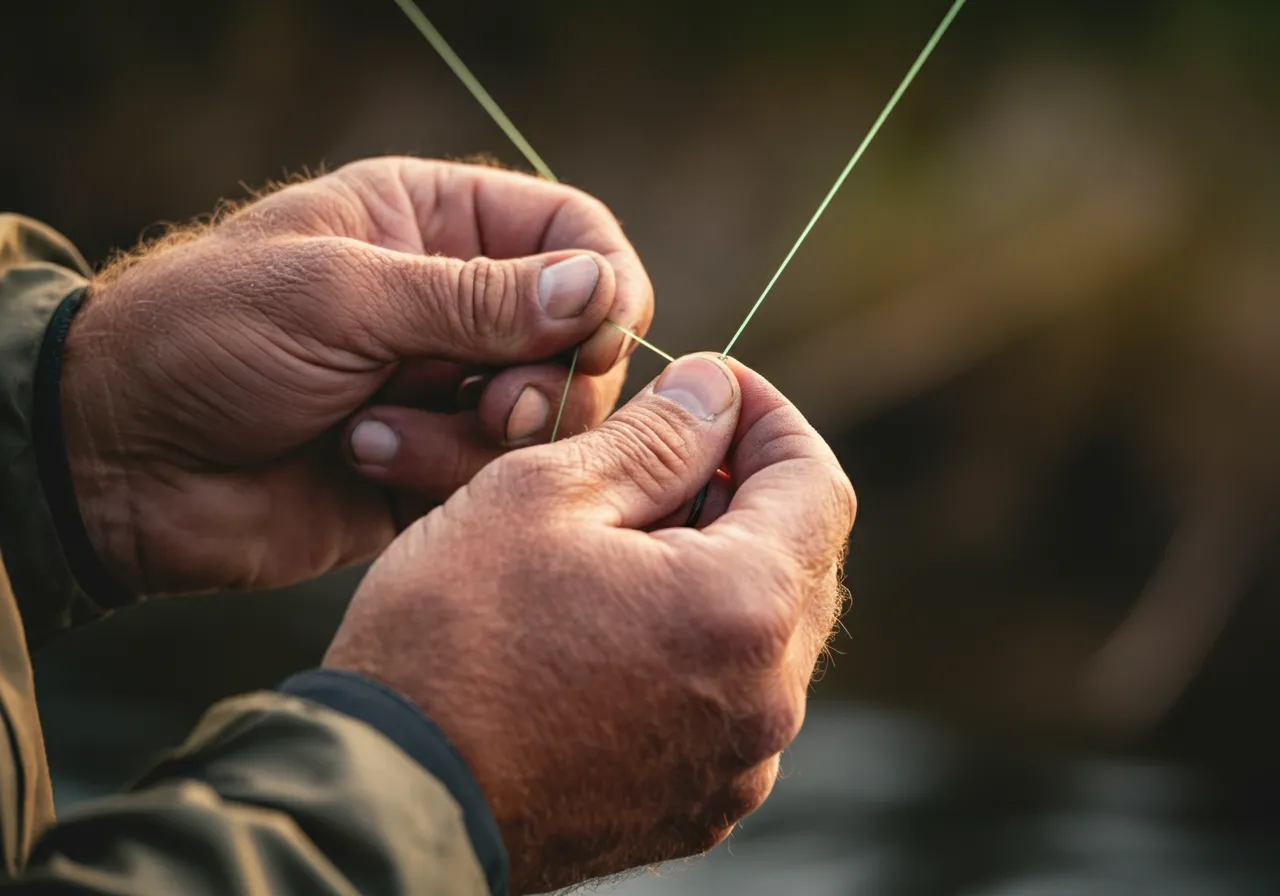
- Keep the Rig Simple: Use a basic bobber rig. Tie a small hook (size 6 or 8) to the line, attach a split shot weight 6-12 inches above it, and then a small bobber another 1-2 feet above that. Use live bait like a worm or a small piece of hot dog. This visual cue (the bobber going under) is instant excitement.
- The Practice Cast: In the backyard first! Remove the hook. For a spincast: “Thumb on the button, rod tip pointing at the target, swing smoothly, let go of the button.” Practice retrieving with the reel handle.
- On the Water: Choose a productive, easy spot—a pond, a calm lake shore, a dock. Help them cast. When the bobber dips, let them set the hook with a small, upward lift of the rod tip. Cheer wildly no matter the size of the fish.
Budget Buddy vs. Stepping-Up Stick: A Comparison
| Feature | Budget-Friendly Combo (The “Buddy”) | Step-Up Combo (The “Stepping-Up Stick”) |
|---|---|---|
| Price Range | $20 – $40 | $50 – $100 |
| Typical Reel | Enclosed spincast (Zebco-type) | Quality spinning reel |
| Rod Material | Fiberglass (durable, heavier) | Composite or Graphite (lighter, more sensitive) |
| Best Use | Casual pond/bank fishing for panfish | More versatile for different species & techniques |
| Longevity | May last a season or two of hard use | Can grow with the child for several years |
| Goal | Spark interest, survive learning | Refine skills, handle better performance |
The Honest Pros & Cons
Pros of Starting Kids with Proper Poles:
- Builds Confidence: Success with manageable gear fuels the desire to learn more.
- Teaches Mechanics: Establishes good habits from the start.
- Safer: Appropriately sized gear is easier to control, reducing hook-swinging accidents.
- Creates a Real Angler: They learn to respect real equipment, not just a toy.
Cons & Considerations:
- Initial Cost: A decent combo costs more than a toy store rod (but is a far better investment).
- They Will Outgrow It: Both in size and skill. Plan on upgrading in a few years.
- Patience Required (From You): There will be tangles. Lots of them. Breathe, and help them fix it.
Your Kids Fishing Pole Questions, Answered
Q: What’s the best length for a child’s fishing rod?
A: A great rule of thumb: 3 to 4 feet for toddlers and preschoolers (ages 3-5), and 4.5 to 5.5 feet for school-age kids (6+). Shorter rods are easier to control.
Q: Should I get a one-piece or two-piece rod?
A: For young kids, a one-piece is often more durable and has better action. For older kids or for easy transport, a two-piece is perfectly fine. Just ensure the ferrules (connections) are snug.
Q: My child is left-handed. What reel should I get?
A> Most quality spinning and spincast reels can be easily converted from right-hand to left-hand retrieve. This is a crucial comfort factor—get them the setup that feels natural.
The right rod in a child’s hands isn’t just a piece of gear; it’s a key that unlocks a world of patience, wonder, and connection with nature. Focus on simplicity, celebrate every tug on the line, and pack your patience. The fish you catch is just a bonus. The real catch is the angler you’re creating.
Ready for the next step? Explore our other guides on easy freshwater rigs or the best baits for panfish to keep the adventure going!