King Mackerel Tournament Tips

You’ve spent the morning running, idling, and scanning. You finally get a bite, the clicker screams, and you set the hook hard. For a few glorious seconds, the rod bends and the drag sings. Then… nothing. The line goes slack. You reel in a head. Another trophy king mackerel, lost to the bite-off. In tournament fishing, that single moment isn’t just a missed fish—it’s thousands of dollars and a season’s worth of bragging rights sliding back into the deep. The difference between a winning team and the rest of the fleet isn’t luck; it’s a system built on biology, weather, and razor-sharp execution.
Disclaimer: This guide is based on my two decades of experience on the water. Always check your local state regulations for size limits, bag limits, and licensing requirements before you fish. Safety is your first priority—no fish is worth your life. I may earn from qualifying purchases through affiliate links, but I only recommend gear I’ve personally trusted in the cockpit.
The Smoker’s Mindset: It’s a High-Speed Hunt, Not a Waiting Game
To consistently catch big king mackerel, especially under the pressure of a tournament clock, you need to stop thinking like an angler and start thinking like the fish. A large “smoker” king isn’t lazily cruising; it’s a high-octane predator patrolling a highway. Think of the Gulf Stream or a nearshore ledge system as an interstate. The baitfish are the cars. Your job is to find the on-ramps (temperature breaks, current edges), the rest stops (wrecks, reefs), and the speed traps (where the current forces bait to congregate). Your lures and baits need to look like the most vulnerable, injured vehicle in that fast lane. That flash and vibration isn’t just attractive—it’s an irresistible trigger.
The Non-Negotiables: Safety, Legality, and Conservation
Before we talk tactics, let’s cover the foundation. A successful tournament day is a safe one.
- Weather & Sea State: Always monitor marine forecasts. A small craft advisory means stay at the dock. Have a working VHF radio and EPIRB/PLB.
- Safety Gear: Every person on board must have a properly fitting, serviceable PFD (life jacket). File a float plan.
- Licenses & Regulations: You must possess a valid saltwater fishing license for the state you are fishing in. Know the federal and state regulations for kingfish size and bag limits. These can change, so verify before you leave. For the most authoritative source, always consult your state’s wildlife agency website.
- Ethical Angling: Handle fish you plan to release quickly and with wet hands. Use non-stainless circle hooks when live-baiting to improve survival rates of released fish. Keep only what you need, and respect the resource that fuels our sport.
The Tournament-Proven System: From Scanning to Gaff
Step 1: The Pre-Dawn Intel & Rigging
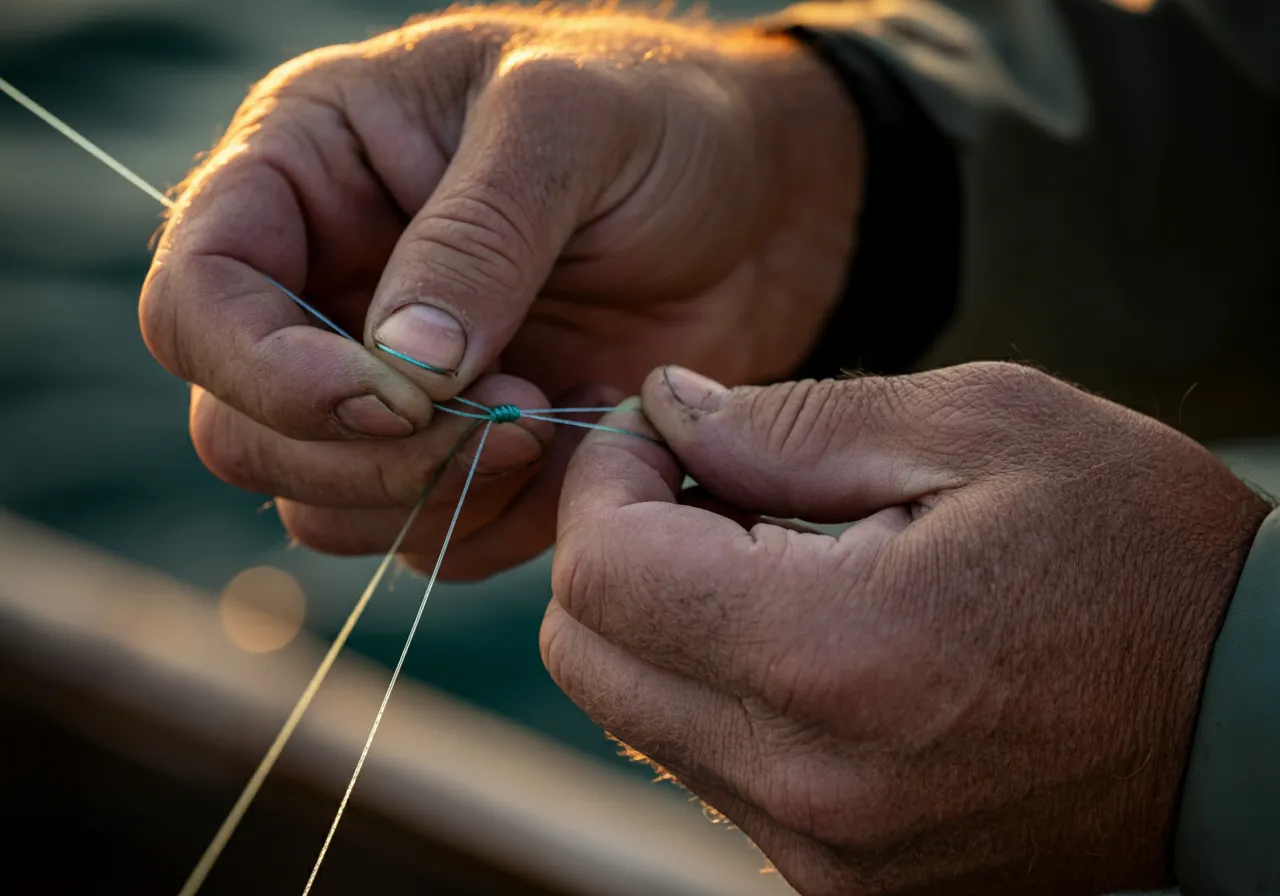
Your tournament starts the night before. Study satellite sea surface temperature (SST) charts and chlorophyll maps to find the “color change” and temperature breaks. At the dock, rig for efficiency. Have multiple rods ready:
- Live Bait Rods: 7-8′ medium-heavy spinning or conventional rods, spooled with 20-30lb braid, topped with a 4-6′ fluorocarbon leader (40-60lb) and a 1/0-4/0 non-offset circle hook.
- Trolling Rods: 6-7′ heavy action rods with line-counter reels, spooled with 30-50lb mono or braid. Leaders are heavy, 80-150lb mono or fluorocarbon, with a stinger rig or single hook behind a diving plug or spoon.
Step 2: The Hunt & Presentation
At first light, start slow-trolling live baits (menhaden, blue runners, cigar minnows) around known structure or along current lines. Deploy a staggered spread: one bait deep, one mid-column, one flat-lined near the surface. Keep the boat speed just fast enough to give the bait a struggling action. Simultaneously, scan your electronics for bait pods and marks suspended above the bottom. When you see life, stop and free-line a live bait back into the slick.
Step 3: The Hookset & Fight
This is where most anglers fail. With a circle hook and live bait, do not swing for the fences. Point the rod at the fish, engage the reel, and steadily increase pressure. The hook will set itself in the corner of the jaw. For trolled lures with J-hooks, a firm, sweeping hookset is required. Once hooked, keep steady pressure. A king mackerel will make blistering runs; let the drag do its work. Never “horse” the fish until it’s tired and ready to come to the boat.
Step 4: The Landing (The Money Moment)
Have a dedicated gaffer. Communicate clearly. Aim for a head shot, behind the gill plate. Once the fish is over the gunwale, immediately secure it and bleed it by cutting the gills. This is critical for tournament weigh-in quality meat. Get it on ice, fast.
Gear Showdown: The Weekend Warrior vs. The Tournament Pro
| Category | Budget-Conscious Setup | Tournament-Grade Setup | Why It Matters |
|---|---|---|---|
| Rod/Reel Combo | 7′ MH Ugly Stik Tiger with a Penn Fierce III 5000. | 7’6″ Star Rods Aerial with a Shimano Talica 12 II. | Sensitivity to feel subtle bites, drag smoothness under extreme pressure, and weight for all-day comfort. |
| Main Line | 30lb Braided Spectra (generic brand). | 30lb Suffix 832 or PowerPro Super Slick V2. | Consistent diameter, superior abrasion resistance, and minimal line dig on the spool during a long run. |
| Leader/Trace | Single strand #4 or #5 wire leader (30lb). | Double or Single strand #7 wire (90lb) or 100lb Fluorocarbon. | Heavier wire/fluoro resists the shredding teeth of a large king, drastically reducing bite-offs. |
| Hooks | Standard Live Bait J-Hooks or Circle Hooks. | Chemically Sharpened Non-Stainless Circle Hooks (e.g., Mustad Demon). | Penetration is instant and consistent. Non-stainless rusts out if a break-off occurs, a conservation plus. |
The Honest Pros & Cons of Tournament Kingfishing
Pros:
- The Ultimate Test: Combines boat handling, fish finding, and angling skill under intense pressure.
- Community & Camaraderie: The king mackerel tournament circuit is filled with passionate, skilled anglers willing to share (some) secrets.
- Major Payouts: Winning a large event can fund your season or even your boat.
Cons:
- Extremely High Cost: Entry fees, fuel, bait, and gear maintenance add up quickly.
- Frustrating Learning Curve: You will lose big fish to sharks, barracuda, and bite-offs. It’s part of the game.
- Weather Dependent: A blown forecast can cancel an event or make fishing dangerously miserable.
King Mackerel Tournament FAQ
Q: What’s the single most important piece of gear for avoiding bite-offs?
A: Your leader. Don’t cheap out here. For large smoker kings, step up to a heavy #7 wire or 100lb+ fluorocarbon trace. It’s the insurance policy between you and the fish.
Q: We can’t find live bait. Can we still compete?
A: Absolutely. While live bait is king, a well-trolled spread of diving plugs (like Rapala X-Raps), spoons, and rigged ballyhoo can be deadly. Focus on covering water and triggering reaction strikes.
Q: How do we find fish on a featureless flat bottom?
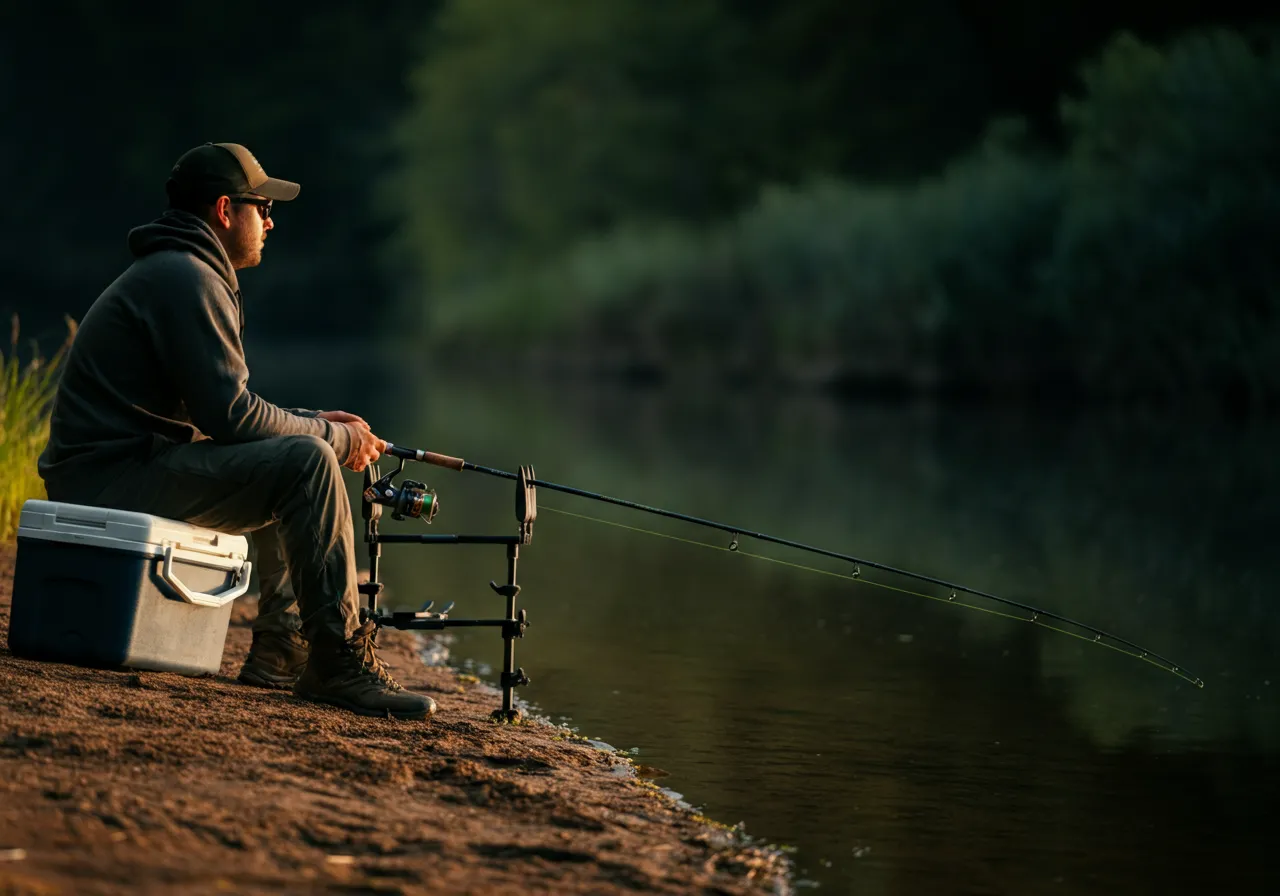
A: Look for the subtle signs. Birds working, temperature changes of even one degree, or any debris line (weed, wood). King mackerel will use anything as an ambush point. Also, watch your depth finder for bait “clouds” suspended in the water column.
Tournament fishing for king mackerel is a chess match played at 30 knots. It demands respect for the sea, a deep understanding of the fish, and relentless attention to detail. Master the system, invest in your terminal tackle, and you’ll stop losing those heartbreakers at the boat. Now, get out there, find that blue water, and put these tips to the test. Check out our other guides on reading SST charts and advanced trolling spreads to sharpen your edge even further.
Bottom Line: Winning a king mackerel tournament hinges on a reliable system: finding fish-holding water with electronics and temperature charts, presenting baits effectively in a spread, using heavy enough leaders to prevent bite-offs, and executing flawless boat-side gaff shots. It’s a blend of preparation, patience, and controlled aggression.