Nymphing Techniques for River Trout

You’re standing in a classic trout run, watching dry flies drift untouched over what you know are holding fish. Frustration builds. The truth is, trout spend over 80% of their feeding time subsurface, sipping nymphs, larvae, and emergers. If you’re not presenting a fly where the fish are actually looking, you’re just decorating the surface. Nymphing is the most consistent method to put river trout in the net, period. Let’s fix that disconnect between your fly and the fish’s dinner plate.
Disclaimer: This guide is based on my two decades of guiding experience. Always check and comply with your state’s fishing regulations, including license requirements, season dates, and special water rules. Practice ethical catch and release, handle fish with wet hands, and respect river access rights. Safety first: wear a wading belt, use a wading staff in tricky currents, and never wade beyond your comfort zone.
The Subsurface Mindset: Reading the River’s Kitchen
Think of a river not as water, but as a constantly moving conveyor belt of food. Trout are energy conservators; they station themselves in specific “lies” where the current brings meals to them with minimal effort. Your job in nymphing is to get your fly onto that conveyor belt and let it travel along the most natural path possible—what we call a “dead drift.” A drag-free drift is the single most important concept in nymphing. If your fly is moving at a different speed or direction than the natural current seam, a trout will reject it as fake. It’s like a suspicious package on an assembly line—it gets ignored.
Your Pre-Trip Safety & Legal Checklist
Before you even knot on a fly, get these three things squared away. This isn’t bureaucracy; it’s responsible angling.
- License & Regulations: Fishing licenses are required in all 50 states. Rules vary wildly by state, region, and even specific river stretches. It is your responsibility to know them. For the definitive source, always visit your state’s wildlife agency website.
- River Safety: Always wear your wading belt snugly. A filled wader can sink you in seconds. Use a staff in unfamiliar or powerful water. Tell someone where you’re fishing and when you’ll return.
- Conservation Ethic: Use barbless hooks for easier release. Keep fish fully submerged during release. Pack out all trash, including discarded tippet.
The Core Nymphing Arsenal: Techniques Decoded
There isn’t one “best” nymphing method. The river’s depth, speed, and clarity dictate your approach. Here are the three core techniques every river angler must know.
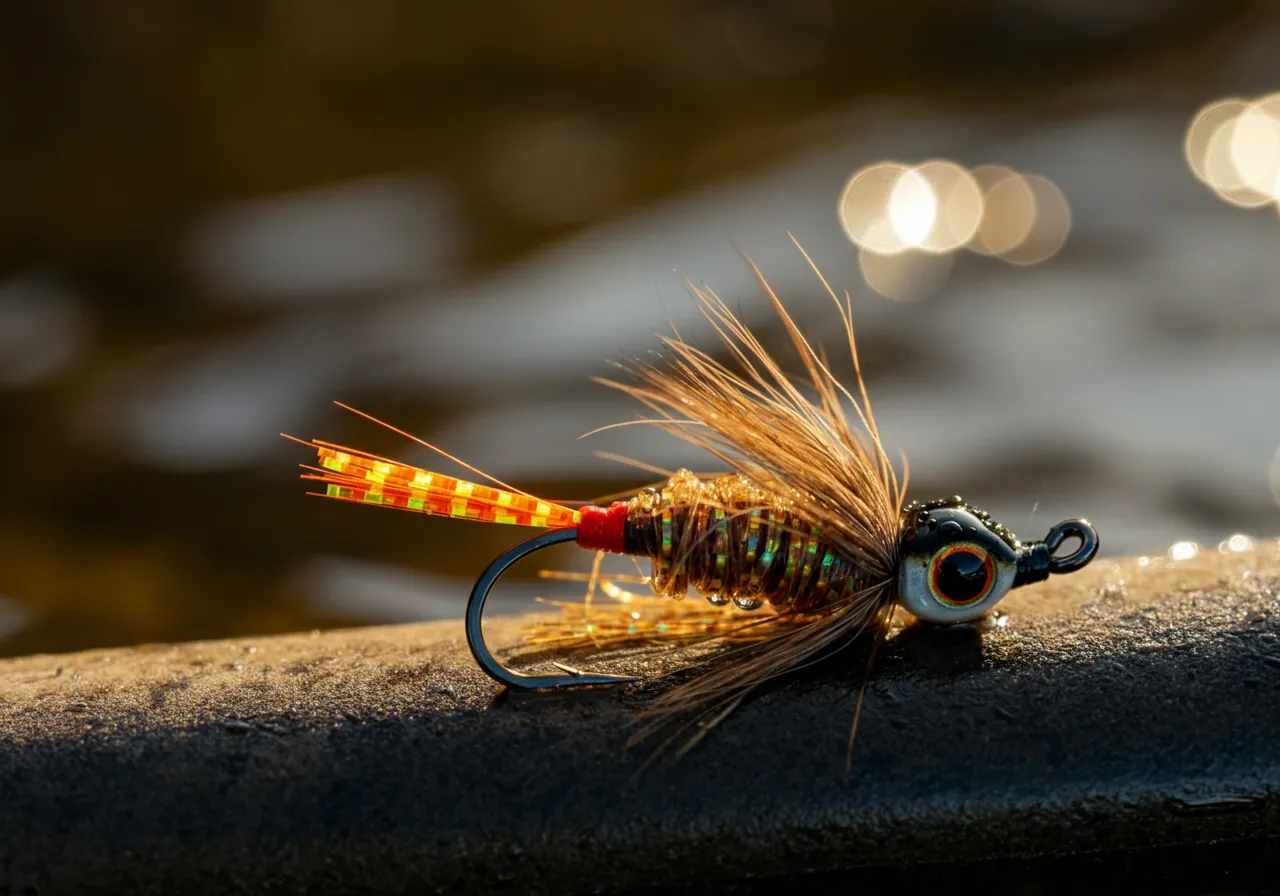
1. Indicator Nymphing (The Bobber Method)
This is your foundational technique, perfect for deeper runs (3-8 feet) and slower to moderate currents. The strike indicator (a fancy bobber) suspends your nymphs at a precise depth and signals strikes.
- The Rig: Leader (9-12 ft) > Strike Indicator > Weight (split shot or weighted fly) > Point Fly (anchor fly) > 12-18″ of tippet > Dropper Fly (trailer fly).
- The Execution: Cast slightly upstream of your target. Mend your line immediately to get the indicator drifting at the speed of the current. Watch the indicator like a hawk. Any pause, dip, or unnatural movement is a potential strike. Set the hook upstream, not skyward.
2. Euro Nymphing (or Tight-Line Nymphing)
This is finesse fishing at its finest, ideal for shallow, fast, or clear water where an indicator would spook fish. You maintain direct contact with the flies using a sensitive sighter (colored monofilament) in your leader.
- The Rig: Long, tapered leader (20-30 ft) ending in a bright “sighter” section > Tippet Ring > 3-5 ft of tippet > Weighted Fly > 12-18″ tippet > Dropper Fly.
- The Execution: Use a long rod (10’+). Make short, upstream casts. Keep your rod tip high and all slack out of the line. Your eyes are on the sighter. A subtle hesitation, twitch, or lift of the sighter means a fish has taken the fly. Set with a short, sharp lift of the rod tip.
3. The Dry-Dropper (The Best of Both Worlds)
A versatile and exciting method that combines a dry fly as your visual strike indicator with a nymph suspended below it. Great for water less than 4 feet deep and when fish are looking up.
- The Rig: Dry Fly on the end of your leader > 18-36″ of tippet tied to the bend of the dry fly’s hook or the eye > Nymph on the end of the tippet.
- The Execution: Cast as you would a dry fly. Your focus is on the dry. If it dips, darts, or disappears, set the hook. The key is using a highly buoyant dry fly and keeping your tippet length appropriate for the depth.
Gear Guide: Getting Started Without Going Broke
You don’t need a mortgage-worth of gear to nymph effectively. Here’s a breakdown of functional setups.
Gear Component Budget-Conscious Setup Pro-Priority Setup Rod 9-foot, 5-weight fast-action combo. A great all-rounder. 10-foot, 3-weight for Euro nymphing; 9’6″ 5-weight for indicator work. Sensitivity is key. Line Weight-Forward Floating line. Does everything adequately. Specialized lines: a Euro nymphing “thin” line or an indicator-specific taper for better turnover. Leader/Tippet 9-foot 4X tapered leader. Add tippet as needed. Build your own leaders for specific techniques. Use fluorocarbon tippet (4X-6X) for its invisibility and sink rate. Flies Start with proven patterns: Pheasant Tail (#16-18), Hare’s Ear (#14-16), and a San Juan Worm (#12). Carry a wide size range (12-22) of perdigon, frenchie, and caddis larva patterns to match the hatch. Strike Indicators Thingamabobbers or foam pinch-ons. Simple and effective. Air-lock indicators for easy depth adjustment, or yarn for ultra-sensitive takes. The Honest Take: Pros and Cons of Nymphing
Pros:
- High Catch Rates: You’re fishing where the fish feed most often.
- Year-Round Effectiveness: Works in all seasons, even when no bugs are hatching.
- Water Coverage: Allows you to effectively fish deep, fast water that’s tough with dries.
Cons:
- Steep Learning Curve: Reading strikes, especially subtle ones, takes practice.
- More “Stuff”: Requires managing indicators, weights, and multiple flies.
- Less Visual: You’re often watching an indicator, not a rising fish, which some find less exciting.
Nymphing FAQs: Quick Answers from the River Bank
Q: What’s the single biggest mistake beginners make?
A: Using too little weight. Your fly must get down to the fish’s level quickly. If you’re not occasionally snagging bottom, you’re probably not deep enough.Q: How do I know what size nymph to use?
A: Look under rocks in the river. Match the general size and color of the nymphs you find. In off-colored water, go slightly larger and darker. In clear water, go smaller and more natural.Q: Do I need to “set the hook” on every little indicator twitch?
A> Yes, especially when starting out. Trout takes are often incredibly subtle. It’s better to set on a false alarm than to miss a real fish. Your hookset should be a swift, upstream lift of the rod tip, not a massive rear-back.Mastering these nymph fishing methods will transform your time on the river from hopeful casting to confident catching. It’s a skill-based game of presentation and observation. Start with the indicator, practice your drift, and pay attention to the subtle clues the river gives you. The tug is the drug, and nymphing delivers more consistent prescriptions than any other method. Now get out there, get your fly down, and get ready to set the hook.
Ready to tie into your personal best? Explore our other in-depth guides on reading water, fly selection, and advanced streamer tactics to complete your trout fishing education.