Oyster Bars Fishing Guide

You’ve been working the flats all morning. The water’s clear, the sun’s up, but your livewell is empty. You see other boats anchored near those dark, patchy areas on the bottom, and they’re bent into fish. You motor over, make a few casts, and get nothing but a snagged hook. Sound familiar? The problem isn’t the fish—it’s that you’re not speaking their language. You’re not fishing the oyster bars correctly.
Disclaimer: This guide is based on 20+ years of on-the-water experience. Always check your state fishing regulations for seasons, size, and bag limits. A valid fishing license is required in all US states. Safety first: wear your PFD, monitor weather and tides, and practice ethical catch-and-release for future generations.
The Science of the Shell: Why Predators Stack Up Here
Think of an oyster reef not as a barren pile of shells, but as a bustling underwater city. It’s a condominium complex, a grocery store, and an ambush point all in one. The complex structure provides critical habitat for baitfish, crabs, and shrimp. More importantly, it creates current breaks and oxygen-rich water. For a predator like redfish, speckled trout, or sheepshead, it’s an all-you-can-eat buffet with perfect cover. Your job is to deliver the meal to their doorstep without getting evicted (snagged).
Safety, Legal, and Conservation Checkpoint
Before we talk tactics, let’s cover the non-negotiables. Oyster shell is razor-sharp. A slip can mean a serious cut. Wear sturdy, closed-toe shoes or wading boots. Always be aware of the tide—a falling tide can strand you on a bar. Legally, you must possess a valid saltwater fishing license for the state you are in. Regulations for species like red drum (redfish) and spotted seatrout vary widely by region, so consult your local authority. I strongly recommend using the NOAA Recreational Fishing portal as a starting point for federal rules and links to state agencies. Practice ethical angling: handle fish with wet hands, use appropriate tackle to land them quickly, and release breeding-sized fish to keep the fishery healthy.
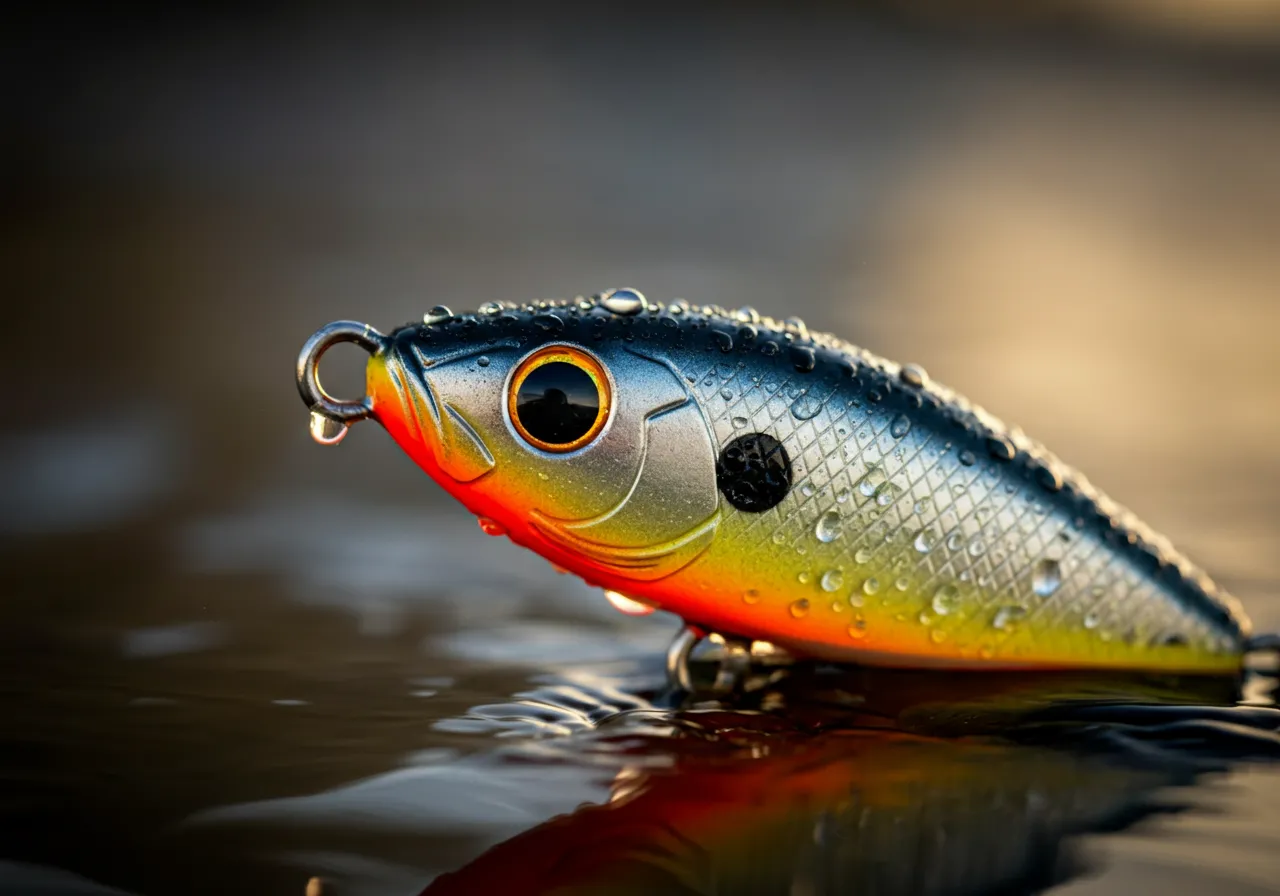
The Oyster Bar Angler’s Toolbox: Gear & Rigging
Fishing these structures is a game of precision and durability. You need gear that can win a fight in heavy cover and withstand abrasion.
Rod, Reel, and Line: The Power Package
- Rod: A 7′ to 7’6″ medium-heavy power, fast-action spinning or baitcasting rod. You need backbone to pull fish out of the shells.
- Reel: A 3000-4000 size spinning reel or a 150-200 size baitcaster with a smooth, reliable drag.
- Line: This is critical. Use 15-30 lb braided line as your main line for its sensitivity and lack of stretch. Then, tie on a 20-40 lb fluorocarbon leader. The fluorocarbon is nearly invisible and abrasion-resistant against the sharp shells.
Rigging for Success: The Two Best Setups
- The Weedless Jig Head: This is your workhorse. A 1/4 to 3/8 oz jig head with a weed guard, paired with a soft plastic paddle tail or shrimp imitation. The guard helps slide over shells, and you can hop it right through the heart of the structure.
- The Carolina Rig (Lighter Version): Ideal for live bait or when fish are spooky. Use a 1/2 oz egg sinker, a bead, a swivel, and a 18-24″ leader to a circle hook. The sinker bounces along the bottom, while the bait swims naturally above the shells, minimizing snags.
Step-by-Step: How to Work an Oyster Bar System
- Read the Water: Look for the “strike zone.” Fish will hold on the current edge of the bar, where food washes to them. Target the deep side of a bar on a falling tide and the shallow side on a rising tide.
- Position & Cast: Don’t anchor directly on top of the bar. Position your boat up-current and cast past the prime zone. Let your lure or bait settle to the bottom.
- The Retrieve: This isn’t a steady reel. Use a “hop-and-drop” retrieve. Lift your rod tip sharply to jump the lure over shell clusters, then let it fall back on a semi-slack line. 90% of strikes happen on the fall. Be ready.
- Set the Hook & Fight: When you feel the “thump,” reel down to take up slack and set the hook hard. Immediately turn the fish’s head away from the bar to prevent it from diving back into the cutting shells.
Gear Comparison: Getting Started vs. Dialed In
| Category | Budget-Conscious Setup | Pro-Guide Setup |
|---|---|---|
| Rod | Ugly Stik GX2 Spinning Combo (7′, Med-Heavy) – Durable and forgiving. | St. Croix Mojo Inshore (7’6″, MH) or G. Loomis E6X Inshore – Superior sensitivity and lighter weight. |
| Reel | Penn Pursuit III 3000 – Reliable saltwater protection. | Shimano Stradic FL 3000 or Daiwa BG 2500 – Butter-smooth drag and retrieval. |
| Line | PowerPro Braid (15lb) + Seaguar Blue Label Fluorocarbon Leader (20lb). | J-Braid Grand (20lb) + Seaguar Tatsu Fluorocarbon Leader (30lb) – Ultimate abrasion resistance. |
| Lures | Z-Man DieZel Minz on a VMC Weedless Jig Head. | DOA CAL Shad Tail or a live shrimp on a Trokar Pro-Vee Circle Hook with a light Carolina rig. |
Pros & Cons of Oyster Bar Fishing
Pros:
- Consistently holds large, predatory fish.
- Structure is visible on charts and often by sight, making it easy to find.
- Productive year-round, though seasons change target species.
Cons:
- High risk of losing tackle to snags.
- Requires precise boat positioning and tide knowledge.
- Can be crowded in popular areas.
Oyster Bar Fishing FAQ
Q: What’s the best tide for fishing oyster beds?
A: The last two hours of an incoming tide and the first two hours of an outgoing tide are typically most productive. Moving water concentrates bait and feeding activity.
Q: Can I wade fish oyster bars?
A> Absolutely, and it’s a fantastic stealth approach. Extreme caution is required. Wear cut-proof wading boots, shuffle your feet to avoid hidden holes, and always be aware of the tide direction.
Q: What’s the #1 mistake anglers make?
A> Retrieving too fast. Fish here are conditioned to eat crabs and shrimp scuttling along the bottom. A slow, bottom-hugging, hopping retrieve is irresistible.
Mastering oyster bar fishing will transform your inshore game. It turns random casting into a targeted hunt. Now that you can read the shell-strewn “road map,” get out there, respect the resource, and tight lines! For more detailed breakdowns on reading tides or targeting specific species, explore the other guides on our site.
Summary
Oyster bars are prolific fish-holding structures that require specific gear (heavy braid, fluorocarbon leader, weedless jigs) and a precise “hop-and-drop” technique timed with tidal movement. Prioritize safety around sharp shells, always follow local regulations, and you’ll unlock one of the most consistent fisheries on the coast.