Panfish Ice Jigs That Work

You’re on the ice, huddled over a hole. Your flasher shows a thick band of fish, suspended just off the bottom. You drop down a jig, give it a few shakes… and nothing. They just stare. You switch to a different color. More staring. Frustration builds as you watch other anglers pulling up plump bluegill and crappie just yards away. The problem isn’t finding the fish—it’s triggering the bite. The secret lies in the subtle, specific art of choosing and working the right panfish ice jig.
Disclaimer: This guide is based on my two decades of guiding ice anglers across the Midwest and Northeast. Always check your local regulations. Links to products are for reference; I aim to provide unbiased advice to help you succeed.
Why Tiny Jigs Outfish Big Baits for Panfish
Think of a panfish’s metabolism in winter like a pilot light on a furnace—it’s on, but just barely. They need calories, but they won’t waste energy chasing a meal that’s too much work. A large, aggressive lure is like a sprint; they won’t bother. A perfectly presented micro jig is like an easy-to-grab snack sitting right in front of them. It’s not just about size; it’s about matching the lethargic, energy-conscious mood of the fish under the ice. Your jig needs to say “easy meal,” not “dangerous predator.”
Your First Priority: Safety, Licenses, and Ethics
Before we talk jigs, let’s cover the non-negotiables. No fish is worth your life.
- Ice Safety: Four inches of clear ice is the minimum for walking. Always check conditions locally and carry ice picks. Never go alone.
- The Legal Hook: You must have a valid fishing license for the state you are in. Regulations on bag limits, size limits, and even allowable jig heads (like lead restrictions in some areas) vary wildly. It is your responsibility to know them.
- Ethical Angling: Panfish are a precious resource. Practice selective harvest. If you’re catching and releasing, wet your hands before handling fish to protect their slime coat, and get them back down the hole quickly, especially in very cold air.
For the most accurate and up-to-date regulations, always consult your state’s wildlife agency. For example, you can review the comprehensive guide provided by the Minnesota Department of Natural Resources.
The Panfish Ice Jig Arsenal: A Guide to Styles
Not all micro jigs are created equal. Each has a specific action and application. Here’s your breakdown.
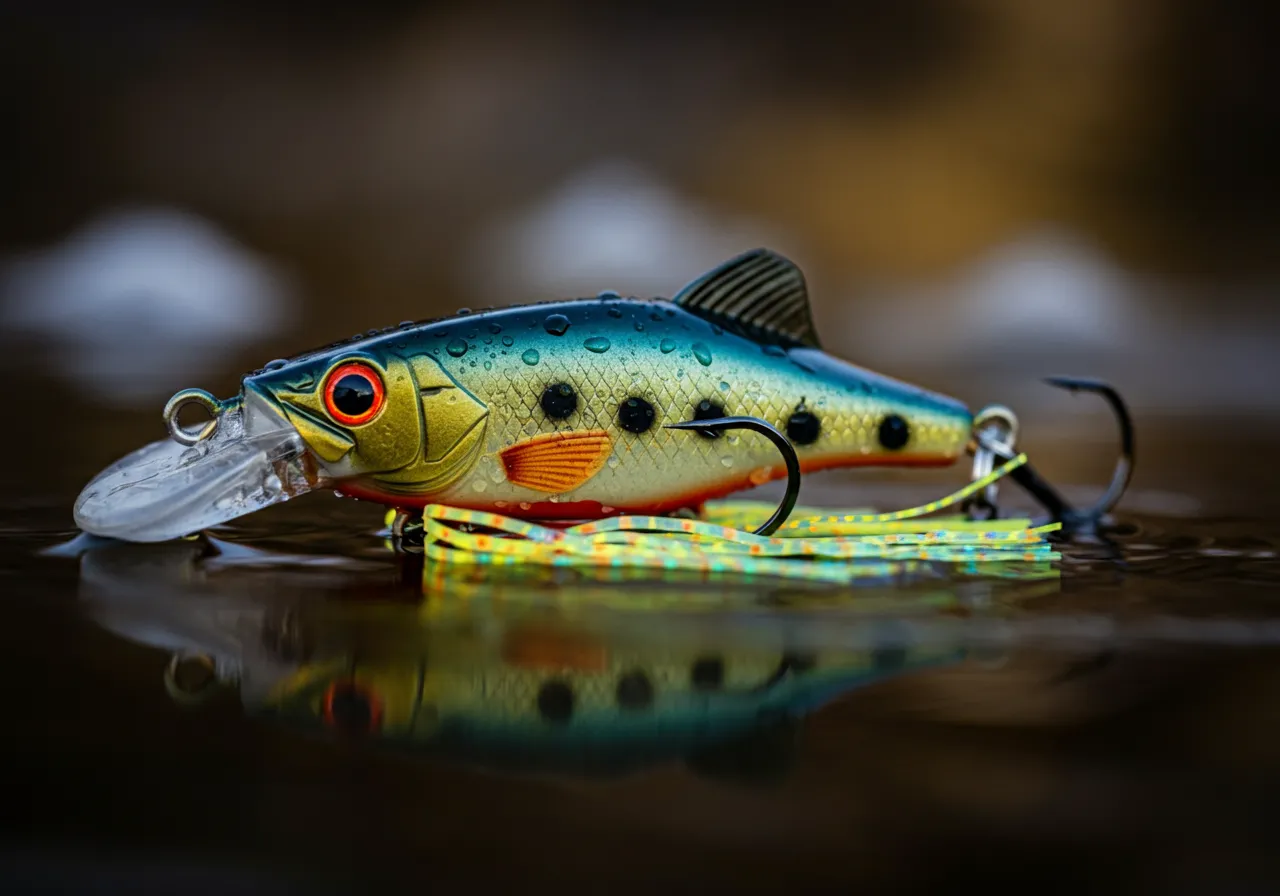
1. The Tungsten Jig Head
This is your workhorse. Tungsten is denser than lead, so a 1/64oz tungsten jig is much smaller than a lead one of the same weight. This allows a faster, tighter fall—critical for getting down to fussy fish and holding in current or wind. Pair it with a soft plastic “body” like a waxworm, spike, or plastic nymph.
2. The Horizontal Jig (Spoon)
Jigging spoons like the Clam Drop Tik or the Custom Jigs & Spins Rat Finkee are killers for aggressive crappie and perch. Their horizontal presentation and fluttering fall mimic a dying minnow. Tip the treble hook with a minnow head or a few waxworms for added scent.
3. The Marabou or Hair Jig
These are the “breathing” jigs. The marabou feathers or synthetic hairs pulse and breathe with the slightest movement, creating irresistible life-like action in the water. Perfect for clear water or ultra-finicky fish where subtlety wins.
4. The Hybrid: Jigging Rap
For roaming, larger panfish—especially big crappie and perch—a small jigging rap is a search bait. Its erratic darting action triggers reaction strikes from fish that aren’t even actively feeding. It’s a power tool for covering water under the ice.
How to Work a Panfish Ice Jig: The Step-by-Step Cadence
- Find the Zone: Use your sonar. Panfish often suspend just above bottom or relate to weed lines. Your target depth might be from 8 to 25 feet.
- The Deadstick: Start with one rod simply holding the jig steady or with the tiniest quiver. This is often the “confidence” bait that gets the first look.
- The Active Rod: On your other rod, employ a cadence. A classic is: Lift the rod tip 6-12 inches, let the jig fall back on a semi-slack line, and PAUSE. 80% of strikes come on the pause or the initial fall.
- Read the Strike: Panfish bites in winter are often a mere “weight” on your line, a slight tick, or your line just going slack. Watch your rod tip and line like a hawk. Set the hook with a short, crisp upward snap of the wrist.
Gear Showdown: Budget Setup vs. Pro Setup
| Component | Budget-Friendly Kit | Pro-Performance Kit |
|---|---|---|
| Rod | 24-28″ Light Power, Fast Action Combo (Ugly Stik GX2 Ice) | Separate 28″ Ultra-Light rod (Tuned Up Custom Rods) with a 500-size reel (13 Fishing Freefall) |
| Line | 2-4 lb Monofilament (Berkley Trilene Micro Ice) | 1-3 lb Fluorocarbon (Seaguar Blue Label) or a superline like 3 lb braid with a fluoro leader |
| Jigs | Assorted lead jig heads & plastics (Mr. Crappie kits) | Tungsten jigs (Clam Tikee Mino, Eurotackle Z-Viber), quality horizontal spoons |
| Electronics | Portable flasher (Vexilar FL-8 used market) | LCD Panoptix LiveScope (Garmin) or equivalent |
| Best For | Anglers starting out, fishing shallow, calm basins | Serious anglers targeting specific fish, fishing deep or in crowds, maximizing sensitivity |
The Honest Truth: Pros and Cons of Micro Jig Fishing
Pros:
- Unmatched Sensitivity: You feel everything, leading to more hooked fish.
- Targets Locked-Down Fish: The only way to trigger bites from negative, pressured panfish.
- Light Gear is Fun: Even a 7-inch bluegill feels like a trophy on an ultralight rod.
Cons:
- Steep Learning Curve: Reading subtle strikes takes practice.
- Wind is Your Enemy: Light line and small jigs are tough to manage in a stiff breeze.
- Can Be Slow: It’s a finesse game, not a power-fishing numbers game.
Panfish Ice Jigging FAQ
Q: What’s the single best all-around panfish ice jig?
A: It’s hard to beat a 1/32oz or 1/64oz tungsten jig head in gold or pink, tipped with a single red spike or a 2mm plastic. It mimics a bloodworm or insect larva, the staple winter diet.
Q: Do I really need a flasher or fish finder?
A> While you can catch fish without one, a flasher is a game-changer. It tells you if fish are present, at what depth, and how they’re reacting to your jig. It turns guessing into knowing.
Q: How do I fight a big crappie on 2 lb test?
A> Keep your rod tip up and let the rod’s bend do the work. Don’t “horse” the fish. Use a smooth, steady pressure and a light-drag setting. Have your hole cleared of slush so the fish slides up easily.
The transition from watching fish on a screen to feeling that solid thump on your line is what ice fishing is all about. By downsizing your presentation and mastering the pause, you’ll stop watching and start catching. Now, get out there, stay safe, and put a bend in that rod.
Ready to dial in your electronics to find more panfish? Check out our guide on Reading Your Ice Flasher Like a Pro for your next step.