Popping Cork Setup & Use

You’ve been at it for hours. The live shrimp under your float just hangs there, ignored. You’re watching your buddy across the flat, and every few minutes you hear it: a sharp POP…POP…PAUSE, followed by the screaming drag of his reel. He’s not using magic; he’s using a popping cork. This simple, often misunderstood tool is the difference between a skunk and a slam for inshore anglers targeting species like speckled trout, redfish, and snook.
Disclaimer: This guide is based on my 20+ years of professional guiding experience. Always check your local regulations. Some links may be affiliate links, but I only recommend gear I trust and use myself.
Why the “Pop” Works: The Dinner Bell Analogy
Think of a quiet, still flat or marsh. To a predator fish, that’s a silent, dimly lit restaurant. They’re lurking, waiting for a sign of an easy meal. A traditional float just suspends your bait. A popping cork setup, when worked correctly, is the sound of the dinner bell and the sight of the waiter dropping a plate. The concussive “pop” and splash mimics the sound of fleeing baitfish or shrimp skittering across the surface. It triggers a primal competitive instinct in fish: “Something’s trying to get away, and I need to eat it before my neighbor does.” It calls fish in from a distance and puts them in a reactive, aggressive mood.
Safety, Licenses, and Respect on the Water
Before we talk gear, let’s cover the non-negotiables. No technique is worth risking your life or breaking the law.
- Personal Flotation Device (PFD): Always wear it, especially when standing on a poling platform or fishing in moving water. A hooked fish is exciting; going overboard is not.
- Weather Awareness: Popping corks are often used in open flats. Be the first to head in if you see lightning or notice wind building to dangerous levels.
- Fishing License & Regulations: This is critical. You must possess a valid fishing license for the state you are in. Regulations on species, size limits, and bag limits change frequently and are strictly enforced. For the most authoritative information, always refer directly to your state’s wildlife agency. For example, anglers in Florida should always consult the Florida Fish and Wildlife Conservation Commission (FWC).
- Ethical Angling: Handle fish with wet hands, use appropriate tackle to land them quickly, and have a release plan for any fish you don’t intend to keep.
The Complete Popping Cork Rig: A Step-by-Step Setup
Setting up a popping cork rig is simple, but a few key details make all the difference.
Step 1: The Foundation – Main Line & Leader
I spool my reels with 10-20 lb braided line for its sensitivity and lack of stretch. To this, I tie a 20-30 lb fluorocarbon leader using a double uni knot or an FG knot. The fluorocarbon is nearly invisible underwater and provides abrasion resistance from oyster beds and gill plates. Your leader length is crucial: start with 18-24 inches. In clearer water or for spooky fish, go longer (up to 36 inches). In murky water or heavy grass, you can go shorter.
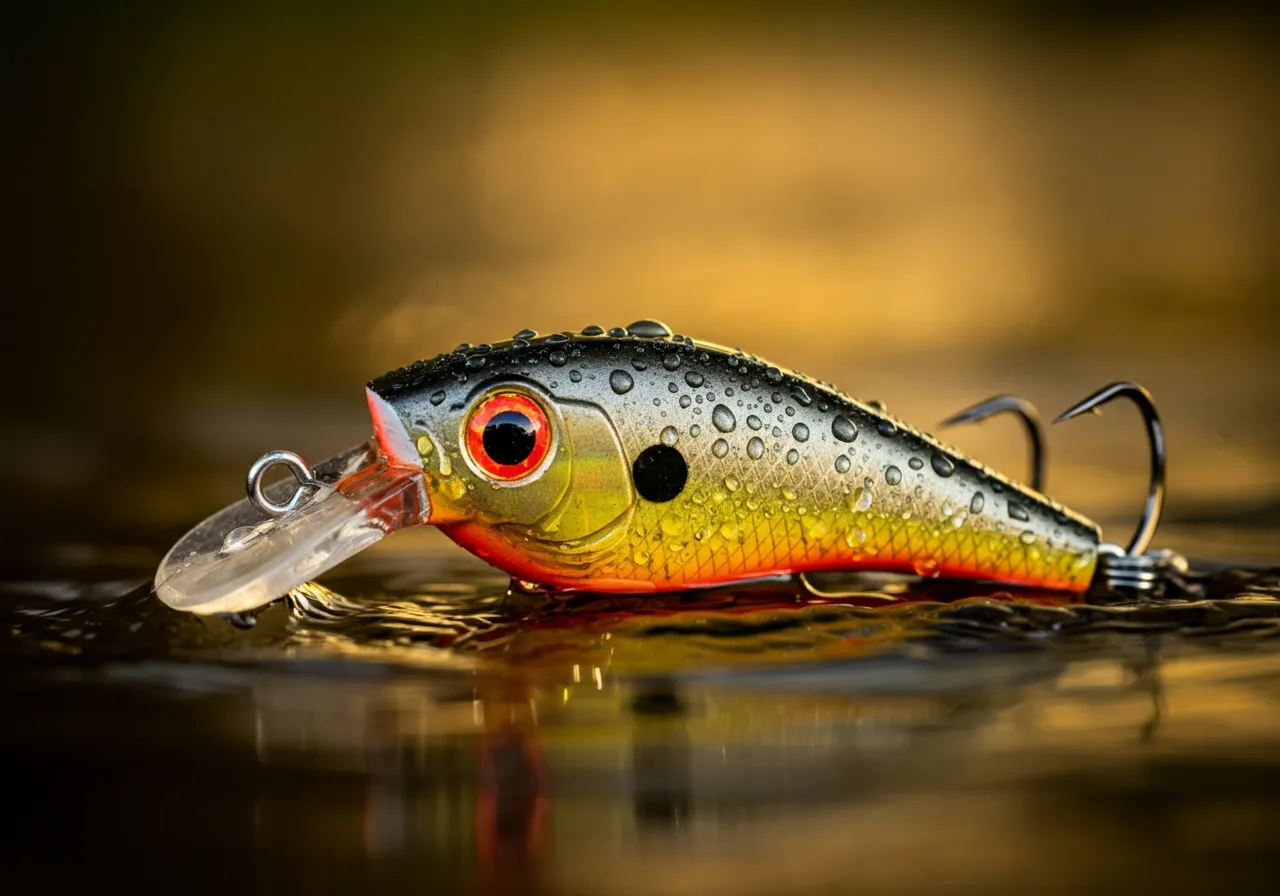
Step 2: Threading the Cork
Pass your main line (the braid) directly through the top and bottom eyelets of the cork float. Do not tie it directly to the cork. Next, slide a small plastic bead onto your line. This bead protects your knot from the constant impact of the cork.
Step 3: The Terminal Connection
Now, tie your leader line to the main line using your preferred knot. The bead and cork will slide freely above this knot. To the other end of your leader, tie your hook. For live shrimp, a 1/0 to 3/0 circle hook or Kahle hook is perfect. For soft plastic jigs or baitfish, a jig head works great.
Step 4: The Art of the Pop – Retrieval Technique
This is where skill comes in. Cast beyond your target area—a pothole, grass line, or oyster point.
- Let it Settle: Allow the cork to sit motionless for 5-10 seconds. This lets the bait get oriented and shows fish where the “noise” came from.
- The Pop: With a sharp, downward snap of your rod tip (about 1-2 feet), make the cork “pop” and gurgle on the surface. You’re not reeling yet, just snapping the rod.
- The Pause: This is the most important part. After 1-3 pops, let the cork sit dead still for 5-15 seconds. This is when 90% of strikes happen. The fish hears the commotion, zeroes in, and sees your vulnerable, suspended bait.
- Repeat: Pop-pop-pause. Reel in any slack line, and repeat the process all the way back to the boat.
Gear Guide: Getting Started Without Going Broke
You don’t need a $500 combo to be effective. Here’s a breakdown of smart choices at different commitment levels.
| Gear Component | Budget-Conscious Setup (Starter) | Pro-Guide Setup (Performance) |
|---|---|---|
| Rod | 7′ Medium Power, Fast Action spinning rod. Versatile and forgiving. | 7′ to 7’6″ Medium-Light or Medium, Extra-Fast Action. Superior sensitivity for detecting subtle takes. |
| Reel | 2500-3000 size spinning reel with a smooth drag. | High-speed (6.2:1+) spinning reel with a sealed, carbon-fiber drag. |
| Line | 10 lb Braid to a 20 lb Mono Leader. Simple and effective. | 10-15 lb Braid to a 20-30 lb Fluoro Leader. Optimal stealth and strength. |
| Popping Cork | Basic cylindrical foam or plastic cork with beads. Gets the job done. | Weighted, concave-bottom cork (like a “clacker” style). Creates louder, more consistent pops with less effort. |
| Hook | Standard Circle Hook in 2/0 size. | Non-offset, inline circle hook or forged live bait hook. Better hook-up ratios. |
The Honest Truth: Pros and Cons
Pros:
- Call Fish In: Its greatest strength. It attracts fish from a wide area.
- Versatile: Effective with live bait, dead bait, or soft plastic jigs.
- Great for Beginners: Visually exciting, easy to see strikes.
- Covers Water: Allows you to work an area methodically.
Cons:
- Wind Vulnerable: Difficult to use effectively in high wind.
- Snag Prone: The extra hardware can hang up in heavy cover.
- Can Spook Fish: In ultra-clear, shallow, or pressured water, the splash can sometimes scare fish instead of attracting them.
- Short-Strikes: Fish sometimes hit the cork itself, missing the hook.
Popping Cork FAQs
Q: What’s the best time of year to use a popping cork?
A: It’s a year-round technique, but it shines in warmer months (spring through fall) when fish are actively feeding in shallow water. On colder days, slow your retrieve and use longer pauses.
Q: Can I use a popping cork from a pier or the shore?
A: Absolutely! It’s an excellent surf, pier, and jetty technique for species like speckled trout, bluefish, and Spanish mackerel. Just ensure you have enough rod length to manage the rig.
Q: My cork keeps twisting my line. What am I doing wrong?
A> This is usually caused by a swivel. While many anglers use a swivel above the leader, it can kill the action. Ensure your cork can slide freely and that your knots are tied correctly. A small, quality barrel swivel can help if the issue persists.
Mastering the popping cork rig will fundamentally change your inshore fishing game. It turns passive waiting into active hunting. Grab your gear, practice that pop-pause rhythm, and get ready for more bent rods. For more techniques to put fish in the boat, explore our other in-depth guides on reading tidal flows and selecting the right lure for every condition.
Summary
A popping cork is a noise-making surface float that attracts predator fish by mimicking fleeing bait. The key to success is a simple sliding rig with a fluorocarbon leader and mastering the “pop-pause” retrieve. Always prioritize safety and legal compliance, and match your gear to your budget and target species for consistent success on the water.