Redfish Angling Techniques

You’ve been poling the flats for hours. You see the wake, the nervous water, the flash of a bronze tail waving in the sun. You make the perfect cast. The lure lands softly… and nothing. The redfish spooks, melting into the grass. Sound familiar? Catching red drum, especially in skinny water, is less about luck and more about understanding their world. It’s a chess match, and they know the board better than you. Let’s change that.
Disclaimer: This guide is based on my two decades of guiding for redfish from the Carolinas to the Texas coast. Always check your local state fishing regulations for size limits, bag limits, and seasonal closures. Safety first: tell someone your float plan, check the weather, and always wear your PFD. This article may contain affiliate links to gear I trust, but my recommendations are unbiased and born on the water.
The Redfish Mindset: Reading the Water Like a Road Map
To consistently catch redfish, you need to think like one. They are opportunistic, powerful bottom-feeders with a lateral line system so sensitive they can feel a shrimp flick its tail from several feet away. Think of their world in terms of current, cover, and comfort.
The Analogy: Reading a redfish flat is like reading a road map for food. The current is the highway—it brings bait (food trucks) to predictable points. Oyster bars, grass lines, and drop-offs are the intersections and rest stops where redfish wait to ambush. Your job is to find the intersection where the current delivers food to the cover. Casting blindly is like driving randomly; reading the structure is using GPS.
Safety, Legal & Ethical Foundations
Before we talk lures, let’s cover the non-negotiables. A great day fishing is a safe one.
- Licenses: You must have a valid saltwater fishing license for the state you are in. Many states also require a free Saltwater Angler Registry or a specific red drum stamp. Fines are steep.
- Weather & Tides: Shallow water angling is dictated by tides. A falling tide can strand you. Always check tides and marine forecasts. Sudden summer thunderstorms are no joke.
- Conservation & Ethics: Redfish are a prized gamefish that have rebounded thanks to smart management. Practice catch and release with large breeding-size “bull” reds (>27″). Use circle hooks when using bait, keep fish in the water as much as possible, and support healthy release. Pack out more trash than you brought in.
For the most current regulations, always refer directly to your state’s wildlife agency. For example, anglers in Florida can visit the Florida Fish and Wildlife Conservation Commission for official rules.
Core Technique: The Systematic Flats Approach
This isn’t a single cast-and-retrieve; it’s a method for working an entire productive zone.
Step-by-Step Execution
- Position & Observe (The Scout): Don’t just charge in. Use your trolling motor or push pole to get within casting range of a likely area—a point where two grass lines meet, the down-current side of an oyster bar. Stand high and look for signs: nervous bait, dark shapes, or the classic “tailing” redfish with its head down and tail in the air.
- The Presentation (The Soft Sell): Whether using a lure or bait, your cast must not spook the fish. Lead the fish by several feet. Imagine tossing a pebble just ahead of a walking person—you want it to land softly, not on their head. A splash is a warning siren.
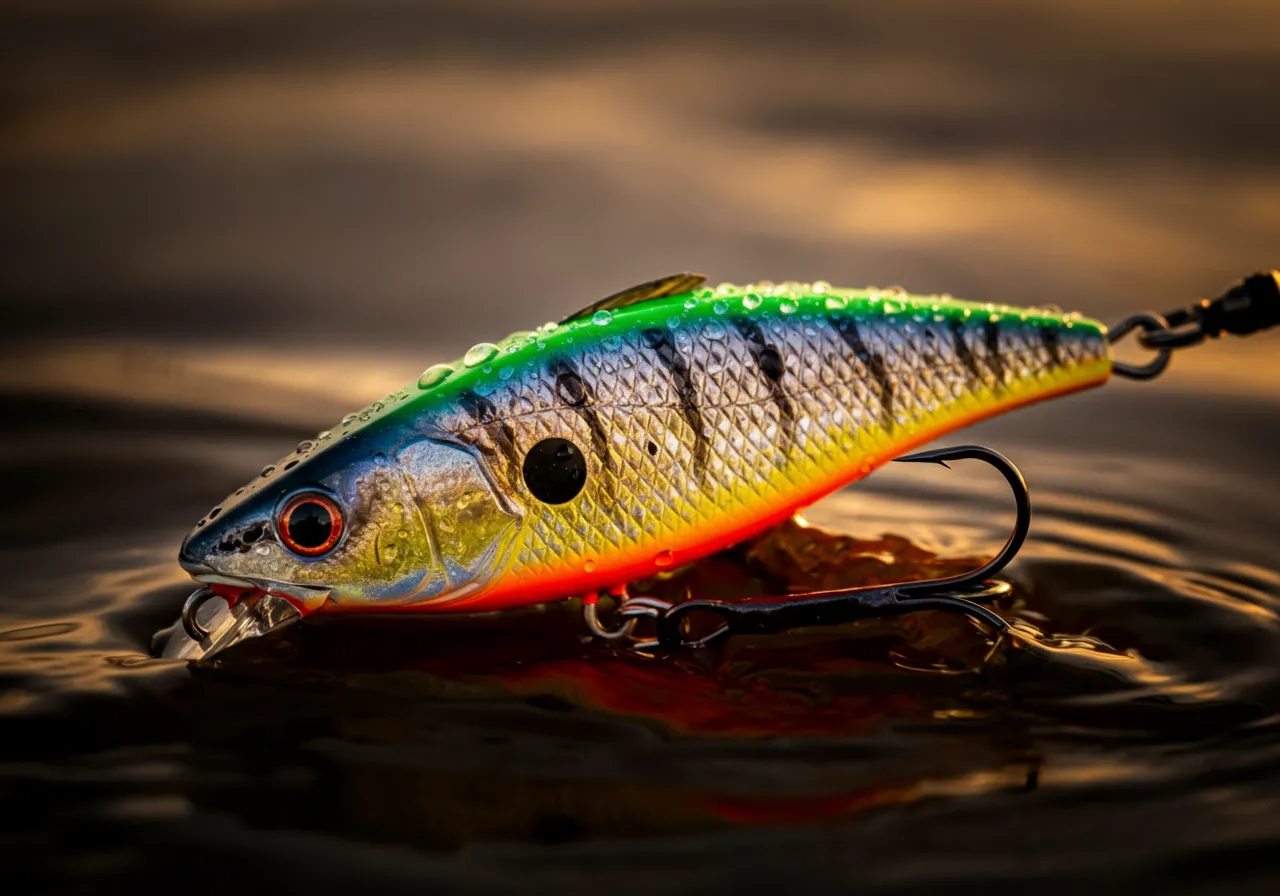
- The Retrieve (The Trigger): This is where most anglers fail. Redfish are often not in a chasing mood. Your retrieve must imitate distressed prey. For a soft plastic (like a paddle tail), let it sink to the bottom, then use a slow, rhythmic “hop-hop-pause” retrieve. The pause is critical—that’s when 80% of strikes happen. For a gold spoon, a steady, slow retrieve just fast enough to make it wobble is deadly.
- The Hookset & Fight: With redfish, especially on artificials, DO NOT SWING FOR THE FENCES. When you feel the “thump,” reel down to take up slack and sweep the rod sideways with firm pressure. Their hard mouth requires a solid pull. Keep the rod tip low and let the drag work during the fight.
Gear Recommendations: Matching Your Budget to the Task
You don’t need a $500 rod, but you do need the right tool. Here’s a breakdown:
| Gear Type | Budget-Friendly Setup (Solid Performer) | Pro-Guide Setup (Refined Tool) |
|---|---|---|
| Rod | 7′ Medium-Heavy, Fast Action Spinning Rod (e.g., Berkley Lightning Rod). Handles 10-20 lb line. | 7’3″ Medium-Heavy, Moderate-Fast Casting Rod (e.g., St. Croix Mojo Inshore). More sensitivity for subtle bites. |
| Reel | 3000-4000 size Spinning Reel with a smooth drag (e.g., Penn Pursuit III). | 2500-3000 size High-Speed Spinning Reel or a Low-Profile Baitcaster (e.g., Shimano Stradic or Curado). Better sealing against salt. |
| Line | 20 lb Braided Main Line (more sensitive than mono) with a 20-30 lb Fluorocarbon Leader (3-4 ft). | 15-20 lb High-Visibility Braid with a 12-20 lb Fluorocarbon Leader. Lighter leader for clear water. |
| Lure/Bait | 1/4 oz Gold Spoon, 3/8 oz Jig Head with 4″ Paddle Tail (Opening Night color), Live or Dead Shrimp under a popping cork. | Custom-tied weedless soft plastic rigs (like a “Redfish Magic” combo), Topwater Plugs for early morning, and premium crab-style baits. |
Pros & Cons of the Shallow Water Artificial Approach
- Pros: Highly active and engaging fishing. You sight-fish and make strategic casts. Catches more educated, pressured fish. You cover more water. It’s incredibly rewarding.
- Cons: Has a steeper learning curve. Requires more patience and observation. Highly dependent on water clarity and weather conditions. You may get fewer bites than soaking bait.
Personal Anecdote: The Lesson of the Pause
I was guiding a client in Mosquito Lagoon, Florida. We saw a huge redfish tailing in a pothole. He made a beautiful cast with a soft plastic right past its nose. He immediately started reeling. The fish ignored it. “Stop,” I said. “Let it sink. Now, just twitch it once.” He did. The line jumped. He set the hook and landed a 32-inch bull. That two-second pause made all the difference. It told the fish the “shrimp” was vulnerable. Never underestimate the power of doing nothing.
FAQ: Your Redfish Questions, Answered
Q: What’s the best tide for shallow water redfish?
A: A moving tide is best. Many guides prefer a low incoming tide as it pushes fish onto the flats to feed, or the last hour of an outgoing tide as they stage in drains and potholes.
Q: Do I need a boat to catch red drum?
A> Absolutely not. Some of the best redfish angling is from shore, kayak, or by wading. Focus on fishing piers, jetties, marsh drains, and sandbars accessible on foot.
Q: What’s the single most important piece of gear after the rod and reel?
A> Polarized sunglasses. They cut the glare on the water, allowing you to see fish, structure, and bait you would completely miss. They are not an accessory; they are a tool.
Ready to put these redfish angling techniques to the test? The marsh is waiting. For more in-depth guides on reading tides, choosing the right lure, or kayak fishing tactics, explore the other articles on our site. Now get out there, read the water, and tight lines!
Summary: Catching redfish consistently requires understanding their behavior in shallow water, using a systematic approach to locate and present lures or bait without spooking them, and having the right gear for the job—all while prioritizing safety, legal compliance, and ethical angling practices.