Sand Fleas for Bait Guide

You’ve spent a small fortune on fancy lures and frozen shrimp, casting for hours into the crashing surf. Meanwhile, the old-timer down the beach with a simple rod and a bucket of something he’s digging up is pulling in pompano, redfish, and whiting one after another. The secret isn’t some exotic, expensive bait. It’s the most natural thing in that ecosystem: sand fleas.
More Than Just a Bug: The Surf’s Protein Powerhouse
First, let’s clear something up. We’re not talking about the biting insects. The sand fleas we use for bait are actually crustaceans, closely related to shrimp and crabs. Scientifically, they’re often called mole crabs (Emerita talpoida). Think of them as the ocean’s potato chip. They are the foundational snack food for the entire surf zone food chain. When you present a live, wiggling sand flea on your hook, you’re not just offering food; you’re presenting a perfectly natural, irresistible target that triggers a pure, instinctual feeding response in surf fish. It’s like waving a fresh, sizzling burger in front of someone who hasn’t eaten all day.
Safety, Legality, and Stewardship: The Responsible Angler’s Creed
Before we get our hands sandy, let’s cover the non-negotiable basics. Your safety and compliance with the law are paramount.
- Know Before You Go: Always check the local surf forecast and tide charts. Incoming tides are often best for both catching bait and fishing. Never turn your back on the ocean, and be acutely aware of rip currents.
- The License is Key: In the United States, you must possess a valid fishing license for the state you are in, even if you are only catching bait. Regulations on the number of sand fleas you can collect and the gear you can use (like sand flea rakes) vary by state. It is your responsibility to know the rules. For a prime example of state-specific regulations, you can review the guidelines from the Florida Fish and Wildlife Conservation Commission (FWC).
- Ethical Harvesting: Only take what you need for a day’s fishing. These creatures are vital to the beach ecosystem. Use a mesh bag or a floating bait bucket to keep your live sand fleas healthy and lively until you’re ready to fish.
Your Step-by-Step Guide: From Sand to Hook
1. The Hunt: Catching Your Bait
Timing is everything. The best time to catch sand fleas is on an incoming tide. Look for the “V” shaped wakes they leave in the shallow, receding water as they burrow backwards into the sand. You have two main tools:
- Your Hands: Quick, scooping digs in the wet sand just as a wave recedes. It’s low-tech and effective.
- A Sand Flea Rake: This is a game-changer. A specialized, wide rake with a wire mesh basket lets you sift through sand efficiently, saving your back and yielding more bait.
Place your catch in a bucket with a handful of damp sand and seaweed to keep them cool and moist.
2. The Art of the Rig
Forget complicated rigs. The classic two-hook pompano rig is the gold standard for presenting sand fleas. It’s a simple leader with two dropper loops, each ending in a small #4 or #6 hook. The key is the pyramid sinker at the end, which holds in the sand.
3. The Perfect Hook-Up
This is where finesse matters. You want the sand flea to look natural and stay alive. Hook larger specimens through the top of the shell, from the back toward the head, just under the hard “helmet.” For smaller ones, you can gently hook them through the tail. The goal is to keep them wiggling. Sometimes, I’ll put a larger one on the top hook and a smaller one on the bottom to offer different options.
4. Presentation and Patience
Cast your rig just beyond the first sandbar, where the waves are breaking. Let it settle. The beauty of this method is its simplicity. You don’t need a fancy retrieve. Let the natural wave action give the bait subtle movement. Keep a slight bend in your rod tip and be ready for a series of quick, sharp taps—that’s the telltale sign of a fish like a pompano or whiting pecking at your bait.
Gear Showdown: Simple Surf Setup
| Gear Component | Budget-Friendly Choice | Pro/Heavy-Duty Choice | Why It Matters |
|---|---|---|---|
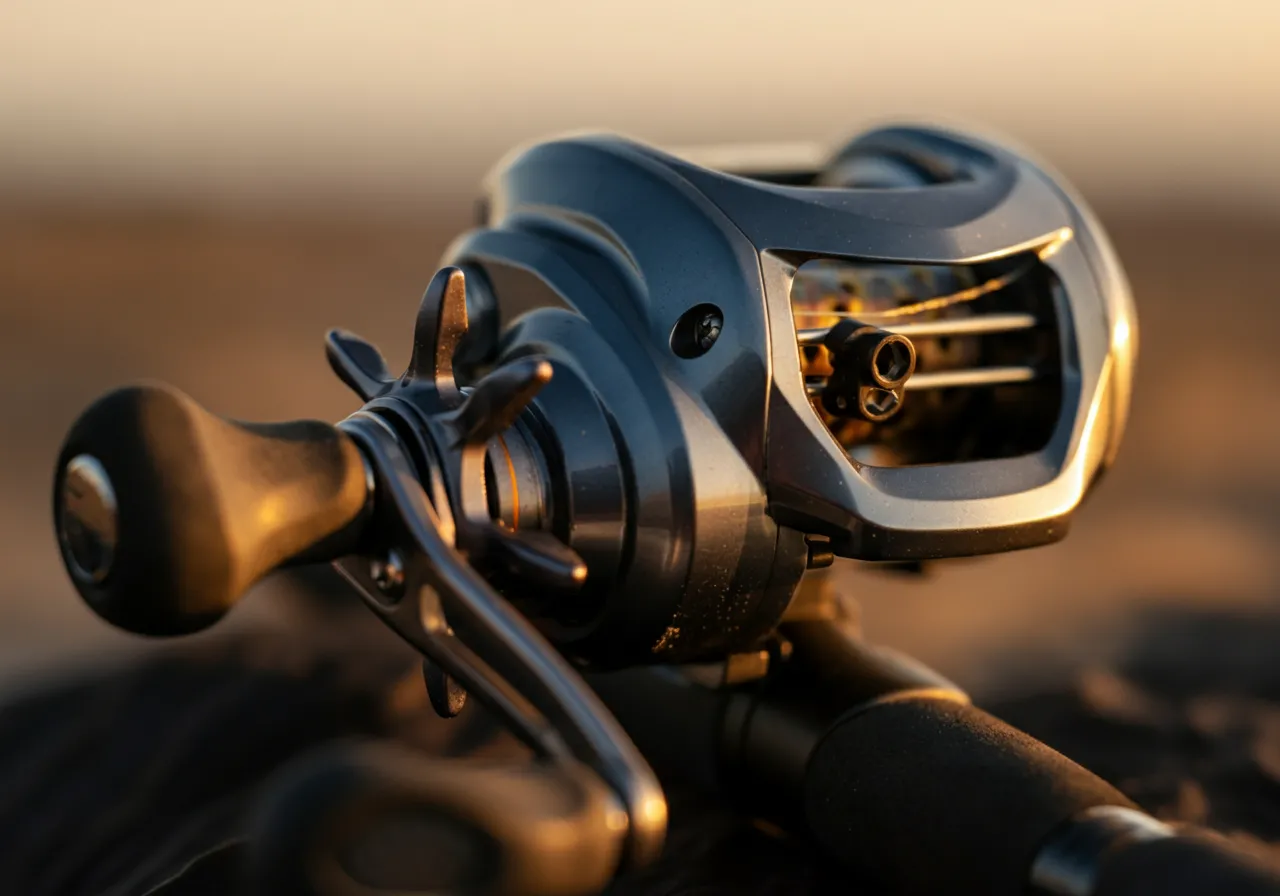
| Rod & Reel | 10-12 ft. Spinning Combo (Medium Action) | 11-13 ft. Surf Rod with a 5000-6000 size Spinning Reel | You need length for casting distance and power to handle a heavy sinker and a strong fish in the surf. |
| Main Line | 15-20 lb Monofilament | 20-30 lb Braided Line with a Mono Leader | Braid offers superior casting distance and sensitivity to feel light bites, but mono is more forgiving and cheaper. |
| Terminal Tackle | Pre-tied Pompano Rigs, 3-4 oz Pyramid Sinkers | DIY Fluorocarbon Leaders, Sinker Slides, Variety of Sinkers | Pre-tied rigs are convenient. Building your own allows for finer, less visible leaders and quick sinker changes. |
| Bait Tool | Your Hands / Small Garden Rake | Specialized Sand Flea Rake | A dedicated rake is exponentially more efficient and saves immense time and effort. |
The Honest Truth: Pros and Cons
Pros:
- Free & Abundant: The bait cost is zero, just a little labor.
- Unbeatable Effectiveness: It’s the most natural forage; fish can’t resist it.
- Simple Technique: No advanced retrieves needed. Great for beginners.
- Targets Premium Fish: Consistently catches pompano, redfish, whiting, black drum, and more.
Cons:
- Time-Consuming: You must spend time catching bait before you can fish.
- Perishable: They don’t stay alive forever, so you can’t stockpile them for weeks.
- Weather/Tide Dependent: Best collected on incoming tides; tough to find in rough, murky water.
- Delicate: They require careful handling to stay on the hook and remain lively.
Sand Flea Savvy: Your Questions Answered
Q: What’s the best time of year to use sand fleas for bait?
A: While they can be effective year-round in warmer climates, peak seasons are spring and fall, coinciding with major pompano and redfish runs along the Atlantic and Gulf coasts.
Q: Can I use dead sand fleas?
A> You can, but it’s a distant second choice. The lifeless movement and scent are far less effective. Fresh, live bait is the whole point. If they die, consider using them as “chum” by crushing a few and tossing them in your fishing zone.
Q: Do I need a special hook?
A> Not necessarily “special,” but the right size is critical. A short-shanked, gold or bronze colored hook in sizes #2 to #6 is perfect. The short shank allows for a more natural presentation.
So, next time you’re staring at a wall of expensive bait at the tackle shop, remember the ultimate surf candy is right under your feet. Grab a rake, get your license, and go turn those little crustaceans into a cooler full of fish. The ocean provides if you know what to look for.
Ready to learn more? Explore our other guides on reading surf conditions and the best rigs for every beach species to completely transform your surf fishing game.