Spinnerbaits Blade Types

Ever made a perfect cast into a promising laydown, worked your spinnerbait back with confidence, and got… nothing? You see other anglers catching, but your lure feels dead in the water. The problem often isn’t the location or the retrieve—it’s the blade. Choosing the wrong blade is like showing up to a job interview in swim trunks; you’re sending the wrong signal. As a guide, I’ve seen this simple mistake cost anglers more fish than any fancy technique.
Disclaimer: This guide is based on my 20+ years of professional experience. Always check your state fishing regulations and license requirements before heading out. Prioritize safety: wear your PFD, check the weather, and practice ethical catch-and-release to ensure our fisheries thrive for generations.
The Science of the Spin: It’s a Dinner Bell
Think of a spinnerbait blade not just as a piece of metal, but as a specialized signaling device. Each shape and size creates a unique combination of flash (light reflection) and thump (vibration/water displacement). This combo mimics everything from a fleeing shad to a wounded bluegill. The key is matching your signal to the conditions and the predator’s mood. It’s less about random noise and more about broadcasting the right channel.
Decoding the Blade Types: A Guide to the Big Three
While there are many variations, your success will be built on mastering three core blade shapes. Understanding their language is your first step to consistent catches.
Colorado Blade: The Thump Master
This is the workhorse. With its almost circular shape and deeply cupped design, the Colorado blade rotates in a tight, wide arc. This creates maximum water resistance, resulting in a slow, powerful “THUMP-THUMP-THUMP” you can feel in your rod handle and heavy vibration. It’s incredibly loud and sends out strong signals in murky water or low-light conditions.
- Best For: Murky/stained water, night fishing, cold water (below 60°F), slow-rolling along bottom structure.
- Fish It Like: A wounded, struggling baitfish. Slow and steady wins the race.
Willow Leaf Blade: The Flash & Speed Specialist
Long, slender, and sleek, the Willow Leaf is built for speed and flash. Its narrow profile offers little water resistance, allowing it to spin rapidly with a tight rotation even on a fast retrieve. It produces a high-frequency flash that imitates the quick, silvery glint of a healthy shad or minnow.
- Best For: Clear water, sunny days, schooling fish chasing baitfish near the surface, burning retrieves.
- Fish It Like: A fleeing school of bait. Don’t be afraid to reel fast to trigger reaction strikes.
Indiana Blade: The Versatile All-Rounder
The Indiana blade is your perfect compromise. It’s teardrop-shaped—wider than a Willow Leaf but narrower than a Colorado. This gives it a moderate vibration and a good mix of flash and thump. It starts spinning easily and maintains its action at a wide range of retrieve speeds.
- Best For: Slightly stained to moderately clear water, variable retrieve speeds, when you’re unsure and need to “search” for active fish.
- Fish It Like: A versatile search bait. Start with a medium retrieve and adjust based on cover and fish response.
Safety, Licenses, and Conservation: The Non-Negotiables
Before you even tie on a blade, get the fundamentals right. Your fishing license is your ticket to the resource—purchase one for every state you fish in. I use the Take Me Fishing license tool as a quick reference, but always verify with the official state agency. On the water, your life jacket is your most important piece of gear. Check the forecast, and if storms are brewing, get off the water. Finally, handle every fish with care, especially during catch-and-release. Keep them wet, support their body, and use pliers to crush barbs for easier hook removal.
Building Your Spinnerbait Arsenal: Budget vs. Pro
You don’t need a $20 spinnerbait to catch fish, but understanding the differences helps you spend wisely. Here’s a breakdown:
| Feature | Budget-Friendly Option | Pro-Grade Option |
|---|---|---|
| Blade Quality | Painted or basic polished finish. May tarnish faster. | High-polish or premium painted finishes (like hammered nickel, gold) for maximum flash and durability. |
| Skirt Material | Standard vinyl or rubber. Colors can fade. | Living rubber or silicone for more fluid action. Often features unique color blends and patterns. |
| Wire & Construction | Lighter gauge wire. May bend on a big fish or heavy snag. | Heavy, tempered wire (like Titanium) for incredible strength and memory. R-bends for better hook-up ratios. |
| Hook Quality | Decent standard hooks. May need sharpening out of the package. | Premium, razor-sharp hooks (like Owner, Gamakatsu) that penetrate instantly and hold better. |
| Best Use Case | Great for learning, fishing heavy cover where lures are often lost, or building a large color collection. | Ideal for tournaments, targeting trophy fish, or when you need absolute confidence in your lure’s performance. |
Step-by-Step: How to “Tune” and Fish a Spinnerbait
- The Tune-Up: Out of the package, hold the spinnerbait by the hook and let it hang. The blades should spin freely without touching the wire or each other. If they don’t, gently bend the wire arm away from the offending blade until it clears.
- The Cast & Initial Fall: Cast past your target (a dock post, weed edge). Let the lure fall on a semi-slack line. This “free-fall” often triggers a strike from a following fish.
- The Retrieve: Start your reel. Keep your rod tip between 10 o’clock and noon. The key is to feel the blade thumping consistently. If the thump stops, you’ve fouled the blades—a quick jerk usually clears it.
- Adding Life: Don’t just reel straight. Incorporate subtle lifts of the rod tip or quick pauses (“kill it”) to make the lure rise and then flutter down, mimicking a dying baitfish.
Pros & Cons of Mastering Spinnerbaits
Pros:
- Extremely versatile and effective in a vast range of conditions.
- Relatively snag-resistant due to the upward-facing hook.
- Excellent “search bait” to cover water quickly and locate active fish.
- The vibration helps fish find it in low-visibility situations.
Cons:
- Can be less effective in ultra-clear, still water where the vibration may spook fish.
- Blades can foul on grass or the wire, killing the action.
- Not the best finesse presentation for highly pressured, lethargic fish.
Spinnerbait Blades FAQ
Q: Can I mix blade types on one spinnerbait?
A: Absolutely! A popular combo is a large Colorado blade in front for thump and a small Willow Leaf behind it for extra flash. This creates a complex, multi-sensory signal.
Q: What size blade should I start with?
A> For all-around bass fishing, a 3/8 oz or 1/2 oz spinnerbait with a #3 or #4 blade is a perfect starting point. It’s heavy enough to cast well and get to a useful depth.
Q: Do I need special gear to fish spinnerbaits?
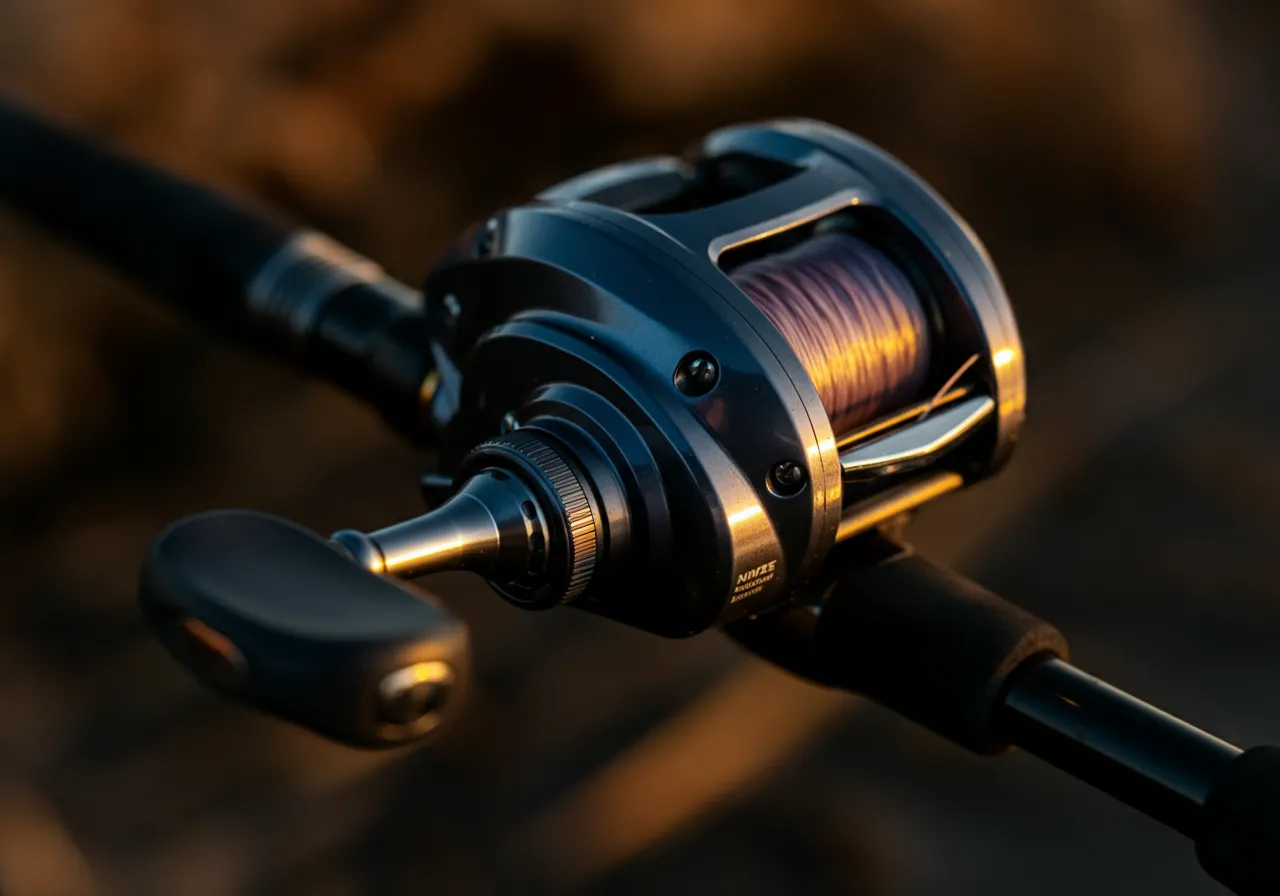
A> A 7′ medium-heavy, fast-action casting rod paired with a 6.3:1 or 7.1:1 gear ratio reel is ideal. Spool it with 15-20 lb fluorocarbon or 30-40 lb braid (with a fluorocarbon leader for clear water) for the right balance of sensitivity and strength.
Understanding spinnerbait blades transforms this classic lure from a guess into a precise tool. Start by matching the blade to the water clarity, experiment with retrieves, and always listen to what the “thump” is telling you. Ready to put this knowledge into action? Check out our other guides on reading water structure and advanced retrieval techniques to complete your on-the-water education.
Bottom Line: Choose a Colorado for thump in dirty water, a Willow Leaf for flash in clear water, and an Indiana as your versatile, go-anywhere option. Your lure selection is no longer a mystery—it’s a message.