Spring Bass Fishing: Ultimate Guide

You’ve spent the winter staring at your rods, dreaming of that heart-stopping thump. Now, the water is warming, the days are longer, and you’re ready. But you hit the lake, make a hundred casts with your trusty summer lures, and get… nothing. The frustration is real. The bass are there, but they’ve moved. Their biology has shifted into high gear, and if your strategy hasn’t changed with them, you’re just casting to empty water. This guide is your roadmap to understanding the spring bass migration, from the first warm rains to the post-spawn slump.
Disclaimer: This guide is based on my two decades of guiding and tournament fishing. Always check your state-specific fishing regulations for seasons, size limits, and special rules, especially around spawning beds. Safety first: wear your PFD, check the weather before you go, and practice ethical catch and release to ensure future generations enjoy the sport.
The Science of the Spring Shift: Reading the Bass’s Roadmap
Think of a bass in spring not as a random fish, but as a driver on a very specific GPS route. Its destination? The perfect spawning flat. Its motivation? Instinct and water temperature. Your job is to intercept it along its journey. As water temps climb from the 40s into the low 50s (Fahrenheit), bass begin their migration from deep winter haunts toward shallower, protected bays and flats. They’re not necessarily feeding aggressively yet; they’re staging. This pre-spawn period is your golden ticket for trophy bass, as they bulk up before the energy-intensive spawn.
Your Legal & Ethical Checklist
Before you even back the boat down the ramp, get this right. Fishing without a license is a sure way to ruin your day and hurt conservation efforts. Licenses fund the science and stocking that keep our fisheries healthy. Visit your state’s wildlife agency website to purchase yours. Ethically, be mindful of visible spawning beds (beds). Catching a guarding bass is one thing, but repeatedly targeting the same bed can harm the reproductive success of that nest. Handle fish quickly, keep them wet, and use appropriate tackle to avoid over-exhausting them.
The Spring Bass Fishing Playbook: Techniques for Each Phase
Your approach must evolve with the water temperature and the bass’s phase. Here’s how to match the hatch to their mindset.
Early Spring (Water Temp: 48-55°F) – The Jerkbait & Jig Stage
Bass are staging on secondary points, channel swings, and the first major drop-offs near spawning coves. They’re sluggish but opportunistic.
- Technique #1: Suspending Jerkbait: This is your search bait. Cast it along wind-blown banks and points. Use a sharp “jerk-jerk-pause” retrieve, making the bait dart and then hang motionless. That pause is when 90% of strikes occur. The analogy? It’s an injured shad trying to flee, then giving up—an irresistible snack for a conserving-energy bass.
- Technique #2: Football Jig: Dragged slowly along rocky bottoms and ledges. It mimics a crawfish, a primary forage. Feel for the subtle “tick” of a rock versus the mushy “thump” of a bite.
Pre-Spawn Peak (Water Temp: 55-65°F) – The Lipless Crankbait & Swimbait Blitz
Bass are moving shallow, feeding heavily. They’re aggressive and competitive.
- Technique #3: Lipless Crankbait: Burn it over emerging grass flats or rip it through sparse cover. The intense vibration calls fish from afar. Let it deflecting off stumps or rocks to trigger reaction strikes.
- Technique #4: Paddle-Tail Swimbait on a Underspin Head: A devastating search bait for covering water. A steady retrieve with occasional lifts of the rod tip gives a wounded baitfish look. It’s simple and deadly.
The Spawn & Post-Spawn (Water Temp: 65-70°F+) – Finesse and Patience
During the spawn, sight-fishing with soft plastics (like a stick worm) is common. Post-spawn, bass are worn out and retreat to nearby cover. This is where a wacky-rigged senko or a ned rig shines—slow, subtle, and easy for a lethargic bass to eat.
Spring Bass Fishing Gear: Budget Setup vs. Pro-Tournament Setup
You don’t need a boat full of $500 rods to catch spring bass. Here’s a realistic breakdown.
| Gear Component | Budget-Conscious Setup (Great Performance) | Pro/Advanced Setup (Fine-Tuned Edge) |
|---|---|---|
| Rod | 7′ Medium-Heavy, Fast Action Composite Rod. Versatile for jerkbaits, spinnerbaits, and Texas rigs. | Dedicated rods: 7’3″ Medium for jerkbaits, 7’5″ Heavy for jigs/punching. High-modulus graphite for superior sensitivity. |
| Reel | 6.3:1 or 7.1:1 Gear Ratio Baitcasting Reel with a good braking system. One solid all-rounder. | Multiple reels: A 5.3:1 for deep cranks, a 7.5:1 for bottom contact, a 8.1:1 for frogging. |
| Line | 12-17 lb Fluorocarbon or 30-40 lb Braid with a fluorocarbon leader. Covers most situations. | Line-specific: 10 lb fluoro for jerkbaits, 65 lb braid for heavy cover, 8 lb copolymer for finesse. |
| Key Lures | Jerkbait, 1/2 oz Lipless Crank, 3/8 oz Flipping Jig, Green Pumpkin Senko, 4″ Paddle Tail Swimbait. | Same categories, but higher-end brands with more precise actions, sharper hooks, and wider color selections for specific water clarity. |
Pros and Cons of Spring Bass Fishing
- Pros: Highest chance for a true trophy bass. Predictable fish location based on temperature. Explosive topwater action emerges later in the season. The weather is simply more enjoyable than summer heat or winter cold.
- Cons: Unstable weather (cold fronts) can shut bites down completely. Can be crowded on popular lakes. Requires constant adaptation as fish move quickly. Ethical dilemmas around spawning beds require careful judgment.
Spring Bass Fishing FAQ
Q: What is the single most important factor for spring bass?
A: Water temperature. It dictates everything—their location, metabolism, and stage of the spawn. Invest in a good thermometer and focus on areas that warm first (north-facing banks in the afternoon, shallow muddy bays).
Q: Do I need electronics like forward-facing sonar?
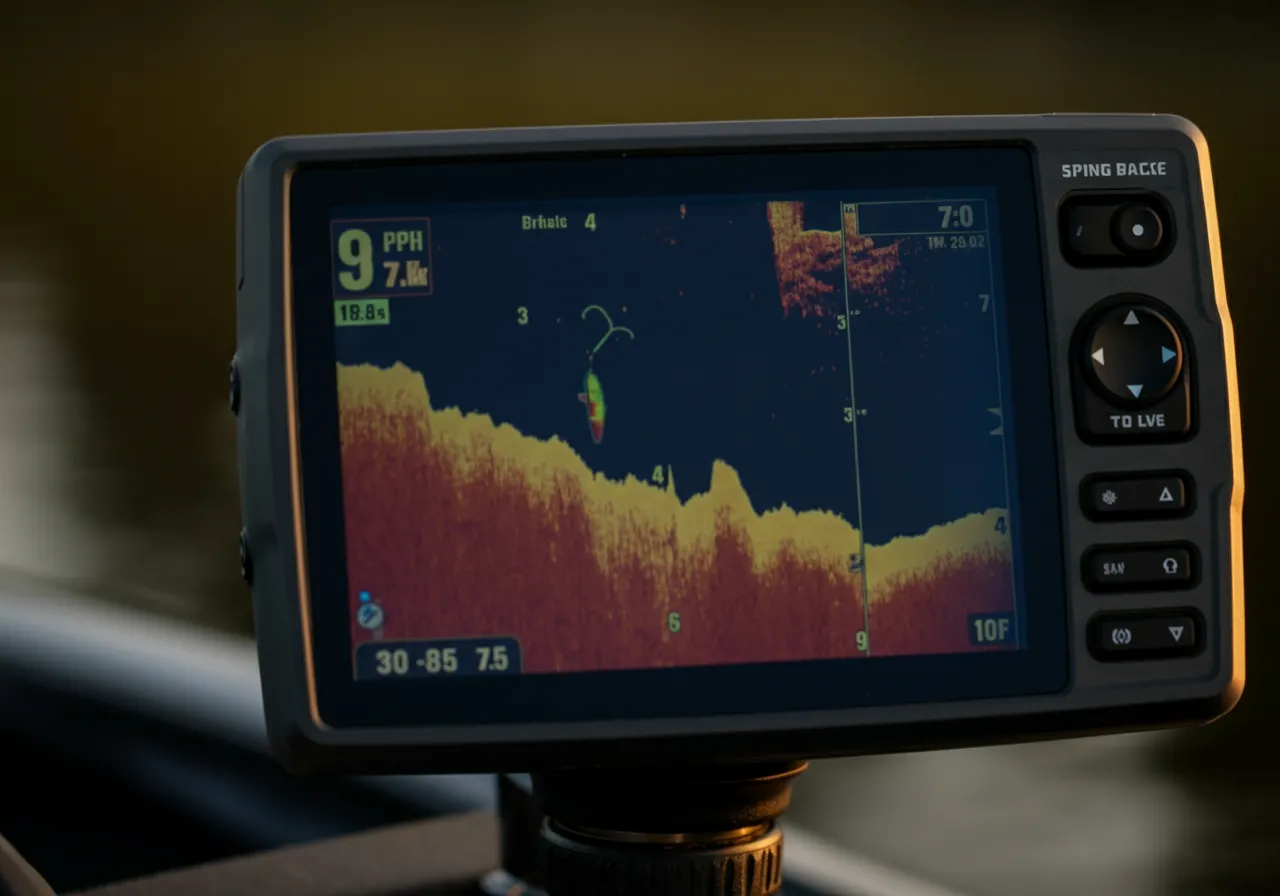
A> While modern electronics are incredible tools, they are not required. For decades, anglers used water temperature, map study, and understanding of structure to find spring bass. Electronics are a force multiplier, not a prerequisite.
Q: What’s the biggest mistake anglers make in the spring?
A> Moving too fast and fishing too deep. As soon as you get a taste of warm air, your brain says “shallow!” But the water, especially in early spring, lags behind. Have the patience to methodically work staging areas before charging to the very back of every creek.
The thrill of spring bass fishing is in the hunt—the puzzle of finding fish that are on the move. By understanding their biological clock and matching your techniques to the water temperature, you’ll turn those frustrating days of casting into days filled with memorable bends in your rod. Now, check that line for nicks, check the weather, and go get ’em. For more detailed breakdowns on specific techniques like jerkbait retrieval or sight-fishing tactics, explore the other guides on our site.
Summary: Success in spring bass fishing hinges on tracking water temperature to locate bass in their pre-spawn, spawn, and post-spawn phases. Use reaction baits like jerkbaits and lipless crankbaits in the early stages, then transition to slower, more precise presentations as fish move shallow. Always prioritize safety, legality, and ethical fish handling to protect the fishery.