Tenkara Fishing Pros and Cons

You’re standing knee-deep in a mountain stream, surrounded by gear. There’s a vest with 30 fly boxes, a net, tippet spools, floatant, and a reel with a drag you’re constantly adjusting. A trout rises just out of reach, and in your haste to change flies, you fumble the tiny hook into the current. Sound familiar? Modern fly fishing is a beautiful, technical dance, but sometimes it feels like you’re wrestling with your equipment more than the fish.
That’s where tenkara comes in. Originating in Japan’s mountain streams, tenkara is the art of fixed-line fly fishing. Imagine a telescoping rod, a length of line tied to its tip, and a fly. No reel. No complicated drag systems. It’s fishing stripped down to its purest form: you, the rod, and the fish. But is this minimalist approach a gimmick or a revelation? Let’s wade in.
Disclaimer: This guide is based on my two decades of experience. Always check your state fishing regulations and acquire the proper fishing license. Safety first: wear a personal flotation device (PFD) in moving water, be aware of weather changes, and practice ethical catch and release by keeping fish wet and handling them with care.
The Zen and The Science: Why Tenkara Works
Think of a tenkara rod as an ultra-sensitive extension of your own arm. In small to medium streams, precision and presentation are everything. A traditional fly rod and reel is like driving a manual transmission sports car on a winding road—incredibly powerful and nuanced in the right hands. Tenkara is like a nimble, direct-drive go-kart on that same road. There are fewer moving parts between your input and the output, giving you an intimate, direct connection to the fly.
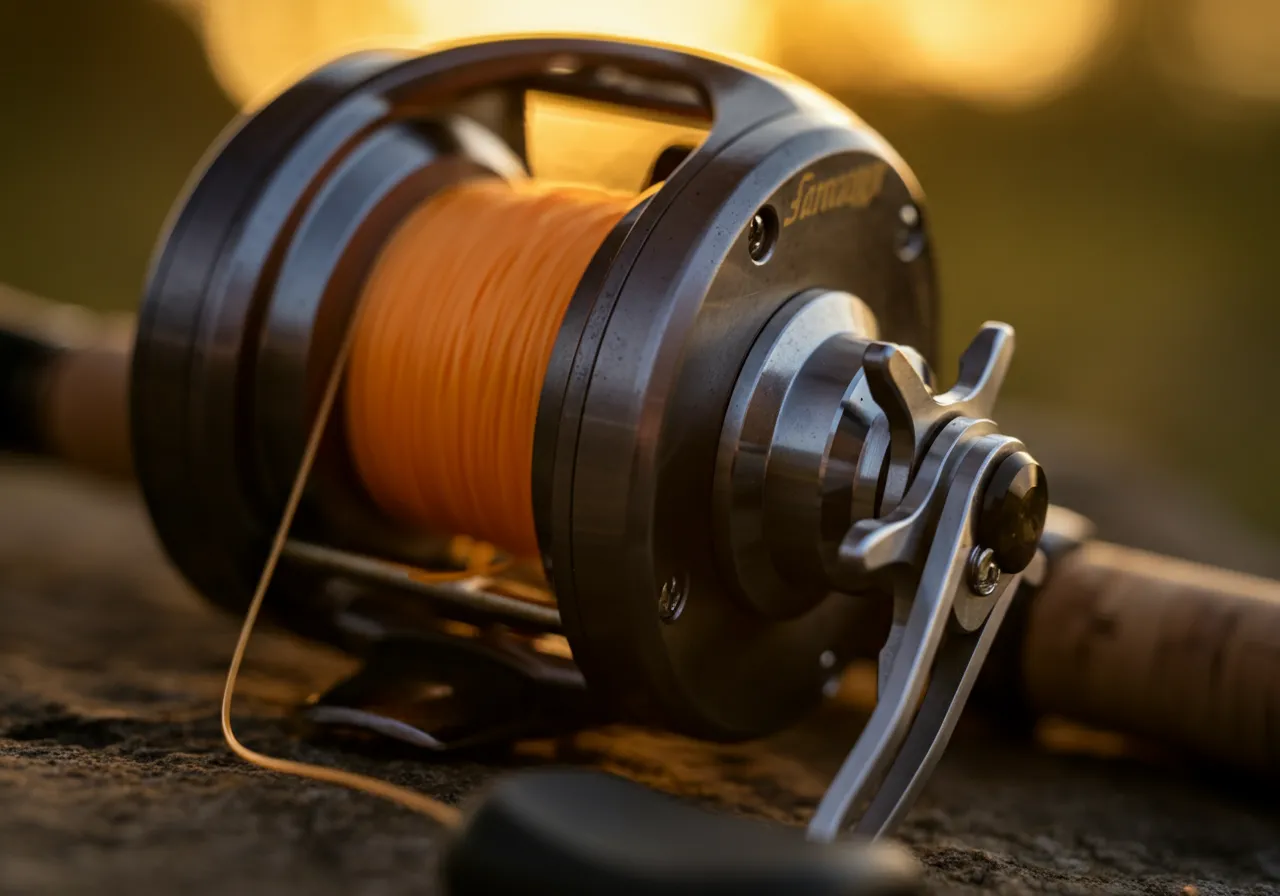
This fixed-line system excels at “dead-drifting” a fly—the most natural presentation for insects like mayflies and caddis. Without a heavy fly line to spook fish in clear, shallow water, you can place a fly with pinpoint accuracy under overhanging branches or in tiny pockets of current. The long, flexible rod absorbs the fight of a fish beautifully, protecting light tippets and turning what could be a frantic battle into a controlled, graceful dance.
Getting Started: Your First Tenkara Setup & Cast
You don’t need a garage full of gear to start. The core tenkara system is elegantly simple.
The Gear Breakdown
- The Rod: A telescoping, typically 11 to 14-foot rod that collapses down to about 20 inches. Action varies from soft (5:5) to stiff (7:3). A softer rod is more forgiving for beginners and protects light tippets.
- The Line: This is your “fly line,” but it’s a fixed, level line (usually fluorocarbon or braided) tied directly to the rod’s tip. Length is typically about the same as the rod.
- The Tippet: A section of clear monofilament or fluorocarbon (2-5 feet of 4x-6x) tied between the main line and the fly. This is your shock absorber and stealth component.
- The Fly: Simple, impressionistic flies like the Kebari (Japanese tenkara fly) work brilliantly, but any small nymph, dry fly, or even a soft-hackle wet fly will catch fish.
The Basic Tenkara Cast: It’s All in the Wrist
- Setup: Extend your rod fully. Tie your main line to the rod’s tip plug (a small piece of cord at the very end). Attach your tippet to the other end of the main line, and then tie on your fly.
- The Load: Point your rod tip down toward the water, letting the fly and line dangle in front of you. Gently lift the rod tip up and back to about 1 o’clock. You’ll feel the weight of the line load the rod—this is your “spring.”
- The Delivery: With a smooth, accelerating motion (like you’re flicking paint off a brush), snap your wrist forward to the 10 o’clock position. Stop the rod crisply. The line will shoot out in a straight line, and the fly will land softly. Practice this in your backyard first!
- The Drift & Control: After the cast, you can “lead” the fly through its drift by keeping a slight tension (but not dragging it) and using the long rod to keep your main line off the water’s surface for a drag-free float.
Tenkara vs. Traditional Fly Fishing: A Side-by-Side Look
| Aspect | Tenkara Fishing | Traditional Western Fly Fishing |
|---|---|---|
| Core Philosophy | Minimalism, precision, direct connection. | Versatility, power, technical complexity. |
| Ideal Environment | Small to medium streams, creeks, alpine lakes. | All waters (small streams to big rivers, saltwater). |
| Gear Complexity | Very low (rod, line, tippet, fly). Highly portable. | High (rod, reel, backing, fly line, leaders, tippet). |
| Learning Curve | Fast to start, deep to master. Casting is simpler. | Steeper initial curve for casting and line management. |
| Fish Fighting | Rod absorbs power; “pump and hand-line” technique. | Reel and drag system manage runs; more line capacity. |
| Cost of Entry | Generally lower for a complete, quality setup. | Can be significantly higher for a full rig. |
The Honest Truth: Pros and Cons of Tenkara
Pros: Why You Might Fall in Love With It
- Ultimate Portability: Your entire kit fits in a small backpack. It’s perfect for hike-in fishing or as a travel rod.
- Simplified Casting: The overhead cast is intuitive and quick to learn, removing a major barrier for newcomers.
- Exquisite Presentation: The long rod and light line allow for incredibly delicate fly placement in tight, tricky spots.
- Direct Connection: You feel every nibble and headshake directly through the rod. It’s an immersive experience.
- Lower Cost & Less Gear: You can get a fantastic starter kit for the price of a mid-range fly reel alone.
Cons: The Real Limitations
- Limited Range: You are generally fishing the length of your rod and line. Casting into a strong wind or across a wide river is very difficult.
- Limited Fish Fighting Tools: Playing a large, powerful fish (like a big bass or steelhead) is challenging without a reel to give line. It’s not designed for trophy hunting.
- Wind Sensitivity: The light line is easily blown around, making windy days a serious test of patience.
- Not a “Do-All” System: It’s a specialist tool for specific environments. It won’t replace your bass gear or your saltwater setup.
I’ll never forget the first brook trout I caught on a tenkara rod on a remote Appalachian feeder stream. The fight wasn’t about screeching drag; it was about feeling every pulse of its tail through the bamboo-like flex of the rod. It was a different kind of victory.
Tenkara Fishing FAQs
Is tenkara just for trout?
Not at all! While perfect for trout in streams, I’ve successfully used it for panfish, small bass in creeks, and even grayling and char in alpine settings. Match the rod power to your target species.
Do I need a special fishing license for tenkara?
No, but you absolutely need a standard fishing license for your state. Tenkara is simply a method; all standard fishing regulations apply. Always check the rules for the specific water you’re fishing. For a prime example of state-specific regulations, review the comprehensive guide from the U.S. Fish & Wildlife Service as a starting point, but always confirm with your state’s agency.
Can I use my regular flies?
Absolutely. While traditional Japanese Kebari flies are effective and fun to tie, any small nymph, dry fly, emerger, or soft-hackle will work. The simplicity of the method extends to fly choice.
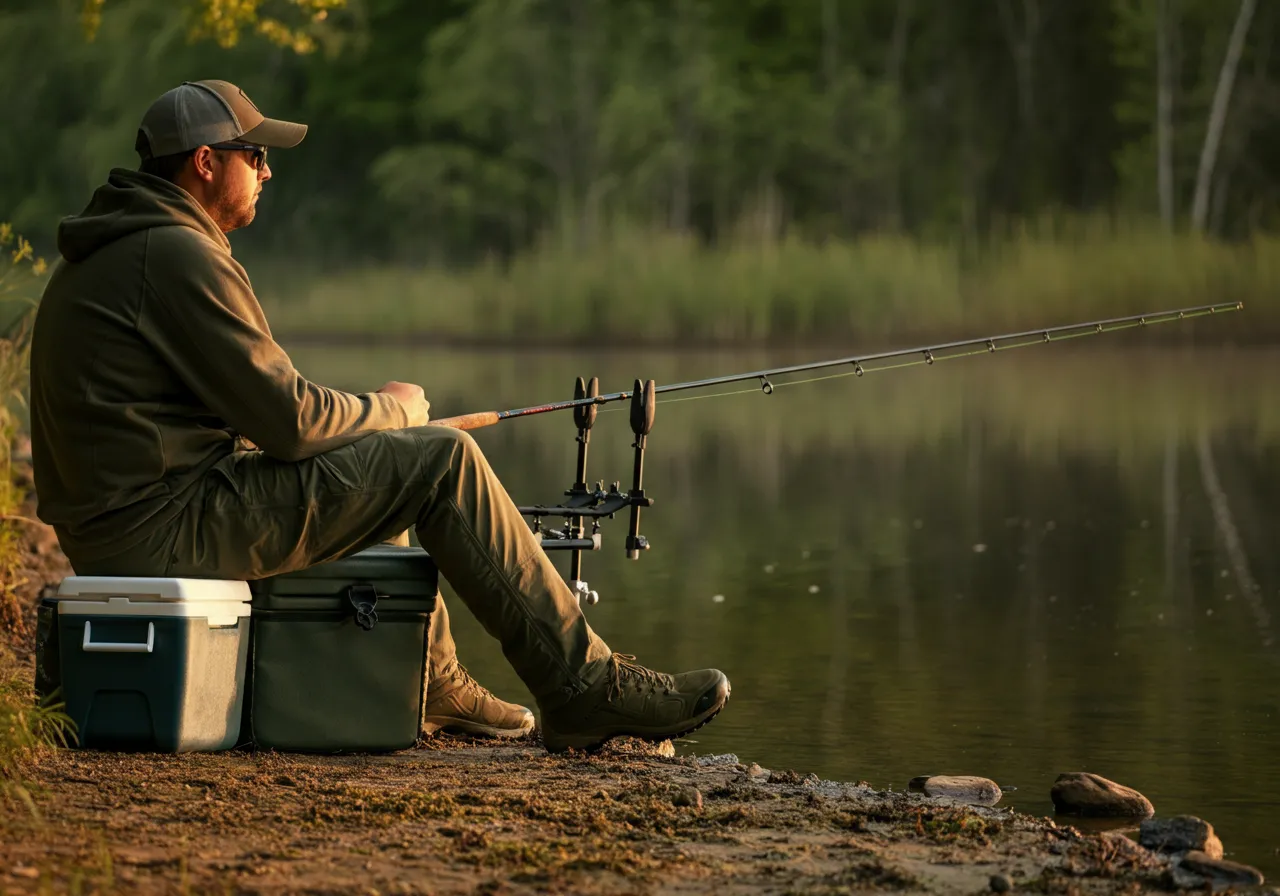
Tenkara fishing isn’t about having all the answers in your vest. It’s about asking a simpler question of the river. It forces you to read the water more closely, move more stealthily, and appreciate the fundamental connection between angler and fish. It won’t be your only rod, but for those days on the small, beautiful water, it might just become your favorite.
Ready to simplify your approach? Explore our other guides on reading river currents and fly selection to make your next tenkara outing a success.