Top Texas Rig Setup for Big Bass

You make the perfect cast, right along the edge of that thick, green mat of hydrilla. You know a giant is home. You work your bait with patience, feel a subtle “tick”… you set the hook with all your might, and for a brief second, you feel the weight. Then, nothing. You reel in a bare hook, your worm shredded. Sound familiar? That bass didn’t spit your bait—it buried you in the salad bar, using the cover you were targeting against you. The problem isn’t the bite; it’s the escape. The solution is mastering the Texas rig.
Disclaimer: This guide is based on 20+ years of professional angling experience. Always check your local regulations. Some links may be affiliate links, but I only recommend gear I’ve personally trusted for years.
Why the Texas Rig is a Bass’s Worst Nightmare
Think of a bass in heavy cover like a burglar in a dark, cluttered house. They feel safe surrounded by chaos—logs, weeds, brush piles. A noisy, exposed lure is like a flashlight beam; it alerts them. But a properly presented Texas-rigged soft plastic is like a shadow moving silently through the clutter. It’s natural, unthreatening, and most importantly, weedless. The key is the bullet weight pegged snug against the hook eye, allowing the bait to slip through branches and grass stems like a needle through fabric, while the point of the hook is buried safely inside the plastic. When that bass engulfs it, you drive the hook point through the plastic and into the fish’s jaw. It’s the ultimate ambush tool.
Safety, Licenses, and Respecting the Resource
Before we talk hooks and weights, let’s cover the non-negotiables. No trophy is worth your life. Always wear your PFD (life jacket), especially when fishing alone or targeting heavy cover from a boat. Check the weather before you head out; a sudden storm over a weedy bay can turn dangerous fast.
In the United States, you must possess a valid fishing license for the state you are in. Regulations on size and bag limits are strictly enforced and are critical for conservation. For the most accurate and up-to-date information, always refer directly to your state’s wildlife agency. For example, anglers in Texas can visit the Texas Parks & Wildlife official regulations page.
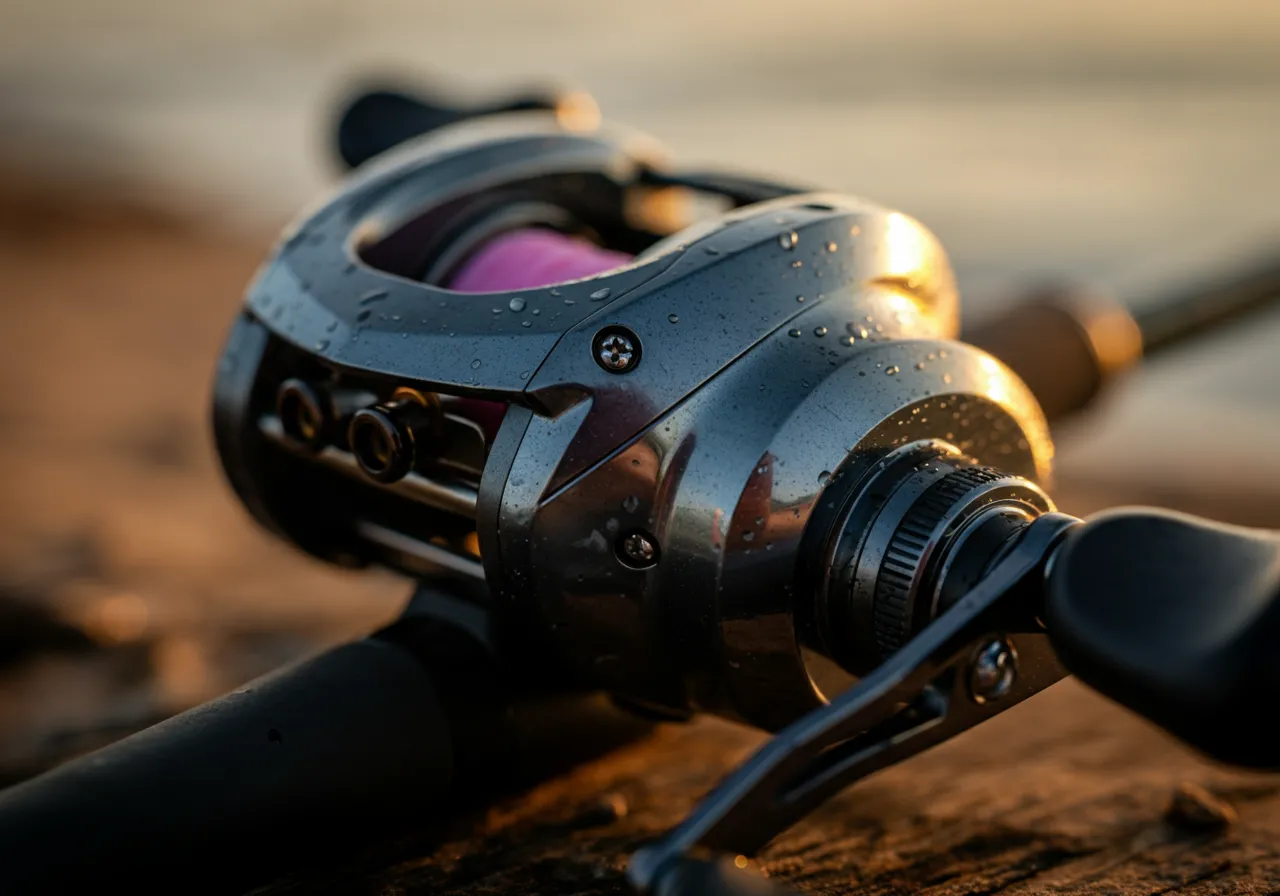
When targeting big bass, please practice ethical catch and release. Keep fish wet, support their body horizontally, and use pliers to quickly remove the hook. These giants are the future of the fishery.
Building Your Ultimate Texas Rig: A Step-by-Step Guide
This isn’t just about sliding a weight on your line. The details separate a snag-free presentation from a fish-catching machine.
Step 1: Gather Your Components
- Hook: An Offset Worm Hook (3/0 or 4/0 for most plastics). The offset bend is what allows you to bury the hook point.
- Weight: A Bullet Weight (1/8 oz to 3/8 oz is the sweet spot). Tungsten is superior to lead—it’s denser (smaller profile), transmits feel better, and is better for the environment.
- Stopper (Optional but Recommended): A rubber “peg” or a toothpick to peg the weight snug to the hook. This prevents the weight from sliding up your line on the cast and creates a more compact, snag-resistant package.
- Bait: A soft plastic creature bait, craw, or stick worm (7″ to 10″). I prefer darker colors (green pumpkin, black/blue) in stained water and natural shades in clear water.
Step 2: The Rigging Process
- Thread the Weight: Slide your bullet weight onto your main line, pointed end facing toward the rod tip.
- Peg It (The Pro Move): Insert a rubber peg into the weight’s hole or use a tiny piece of a toothpick to lightly secure the weight. Don’t crush it; you want it fixed, but you should still be able to remove it with your fingers.
- Tie on the Hook: Tie your offset hook to the main line using a reliable knot like a Palomar or Improved Clinch Knot.
- “Texas” the Bait: Insert the hook point into the head of your soft plastic, about 1/4 inch. Push the hook straight through the body, then turn it 180 degrees and bury the point back into the plastic’s side, creating a completely weedless profile. The bait should sit straight.
Step 3: The Presentation & Retrieve
Cast past your target—a dock pillar, a grass line, a sunken log. Let it sink on a semi-slack line. Your rod tip is your primary sense organ. Watch your line! A bass will often just “load” your line, making it go slack or move sideways. When you feel any pressure or see your line jump, set the hook hard to the side (not up). You’re driving the hook through plastic and into bone. The retrieve is a slow, patient “drag and hop” along the bottom. Let it sit. Impatience is the #1 killer of Texas rig bites.
Gear Showdown: Getting Started vs. Going Pro
| Component | Budget-Friendly Starter Kit | Pro-Level Upgrade (Worth It) |
|---|---|---|
| Rod | 7′ Medium-Heavy, Fast Action Graphite Composite | 7’3″ Heavy, Extra-Fast Action 100% Graphite (Better sensitivity for light bites) |
| Reel | 6.3:1 or 7.1:1 Gear Ratio Baitcaster | High-Speed Baitcaster (7.5:1 or 8:1) with a strong drag system |
| Line | 12-17 lb Monofilament | 30-50 lb Braided Main Line with a 15-20 lb Fluorocarbon Leader (Abrasion resistance + sensitivity) |
| Weight | Lead Bullet Weights | Tungsten Bullet Weights (Better feel, more compact, environmentally safer) |
| Hook | Standard Offset Worm Hooks | Extra-Wide Gap (EWG) Hooks with a sharper, chemically-etched point |
The Honest Truth: Pros & Cons
Pros:
- Nearly 100% weedless. You can fish where the big bass live.
- Extremely versatile for all soft plastic shapes and sizes.
- Simple to learn and rig.
- Excellent for both shallow and deep water presentations.
Cons:
- Can result in missed hooksets if not rigged perfectly or if you’re not attentive.
- Not the best for extremely fast retrieves or covering vast amounts of open water.
- Requires a confident, powerful hookset.
Texas Rig FAQs
Q: What’s the main difference between a Texas Rig and a Carolina Rig?
A: Think of it like precision vs. patrol. The Texas rig is your precision tool for specific pieces of heavy cover. The Carolina rig, with its weight far ahead of the bait, is for covering large, open areas like points and flats to “patrol” for fish. The Texas rig is more weedless.
Q: Do I need braided line for this setup?
A: For heavy grass, wood, or punching mats, yes. Braid has no stretch, so your hookset is instantaneous and powerful, and it cuts through vegetation. In open water or around rocks, a fluorocarbon leader is a better choice for its invisibility and abrasion resistance.
Q: What’s the single biggest mistake beginners make?
A> Not pegging the weight. A sliding weight can get hung up on every piece of grass between you and the bass, killing the natural fall. Peg it down, and your snags will decrease by 80%.
Ready to stop losing giants in the slop? Grab your gear, tie on a Texas rig, and go poke a hole in that mat. The thump you’ve been waiting for is on the other side. For more in-depth techniques on reading water and seasonal bass patterns, explore the other guides on the site.
Bottom Line
The Texas rig is the most effective, weedless soft plastic presentation for targeting large bass in heavy cover. Success hinges on a properly pegged weight, a sharp offset hook, and a patient, attentive retrieve followed by a powerful hookset.