Topwater Bass Fishing Explosions

You’ve made the perfect cast. Your lure sits motionless on the mirrored surface of a dawn-lit cove. The anticipation is a physical thing, a tightness in your chest. Then, it happens—a violent, heart-stopping eruption of water as a bass engulfs your bait. You set the hook, and the fight is on. This is the pinnacle of freshwater angling, the topwater strike. But for many anglers, it’s a frustrating game of missed opportunities and puzzling lures. If you’ve ever wondered why bass ignore your topwater or how to consistently trigger those explosive bites, you’re in the right place.
The Science of the Surface Strike: It’s a Dinner Bell, Not a Dinner Plate
To master topwater bass fishing, you need to understand the predator’s mindset. A bass lurking below isn’t just looking for food; it’s assessing risk versus reward. Breaking the surface is a high-energy, high-visibility act. So why do it? Think of your topwater lure not as a replica of a specific prey item, but as a universal distress signal. The commotion, splash, and vibration you create mimic a creature in serious trouble—a wounded shad, a frog misjudging a jump, a struggling insect. This triggers a bass’s most primal instinct: an easy meal that can’t get away. Your job isn’t to present a perfect imitation, but to sell the performance of panic.
Safety, Licenses, and Conservation: The Foundation of Every Trip
Before we talk lures and retrieves, let’s cover the non-negotiables. No trophy catch is worth risking your life or breaking the law.
- Personal Flotation Device (PFD): Wear it. Always. A topwater explosion of excitement can quickly become a dangerous situation if you’re leaning over the gunwale or standing in a kayak.
- Weather Awareness: Topwater fishing often means low-light conditions. Check the forecast. Thunderstorms and high winds are not just bite-killers; they are serious hazards on the water.
- Fishing License: This is federal and state law. Regulations vary widely. You must possess a valid fishing license for the state you are in. For the most accurate and current information, always refer directly to your state’s wildlife agency. For a national directory, you can visit the U.S. Fish & Wildlife Service fishing page.
- Ethical Angling: Handle fish with wet hands, keep them in the water as much as possible, and use appropriate tools for quick hook removal. If practicing catch and release, consider using single hooks on treble-hook lures to minimize damage.
The Topwater Toolbox: Choosing Your Weapon
Not all topwater lures are created equal. Each has a specific personality and excels under different conditions. Here’s your breakdown:
1. The Popper (The Attention-Getter)
With its cupped face, a popper creates a “chug” and splash when jerked. It’s my go-to for clear water and hesitant fish. Retrieve: Cast, let rings settle, then use your rod tip to impart sharp, short pops. Vary the rhythm—pop-pop-pause… long pause… pop.
2. The Walking Bait (The Seducer)
Lures like the Zara Spook “walk the dog” with a side-to-side sashay that drives bass wild. It’s incredibly effective in low-light or on overcast days. Retrieve: Use a steady, rhythmic twitching motion with your rod tip while maintaining slack in your line. The lure should zig-zag without moving forward too quickly.
3. The Prop Bait (The Annoyance)
With propellers on one or both ends, this lure creates a constant, buzzing commotion and a trail of bubbles. It’s fantastic for covering water and triggering reaction strikes in stained water. Retrieve: A steady, medium-speed retrieve often works, but mixing in occasional pauses and speed-ups can be deadly.
4. The Buzzbait (The Reaction Trigger)
This is a search bait. The single, large blade churns the surface, creating a distinct “gurgle” and leaving a V-wake. It’s perfect for fishing over grass, along docks, and in murky water. Retrieve: Start it the instant it hits the water and reel just fast enough to keep the blade churning on the surface.
5. The Frog (The Heavy Cover Specialist)
Designed with weedless hooks to be fished in the thickest slop, pads, and laydowns where big bass live. The strike here is often a slow, sucking boil followed by sheer chaos. Retrieve: “Walk” it over mats or use short hops and pauses over holes. When a bass takes, wait! Count to two, feel the weight, then set the hook hard.
Gear Guide: Budget Setup vs. Pro-Tournament Setup
You don’t need a mortgage-worth of gear to get started, but the right tools make a difference. Here’s a realistic comparison.
| Component | Budget-Friendly Setup (Great for Starters) | Pro/Performance Setup (For the Enthusiast) |
|---|---|---|
| Rod | 7’ Medium-Heavy, Fast Action Composite Rod. Versatile enough for most topwater styles. | 7’3” Heavy, Moderate-Fast Action Graphite Rod. The extra length and specific action help with long casts and walking baits. |
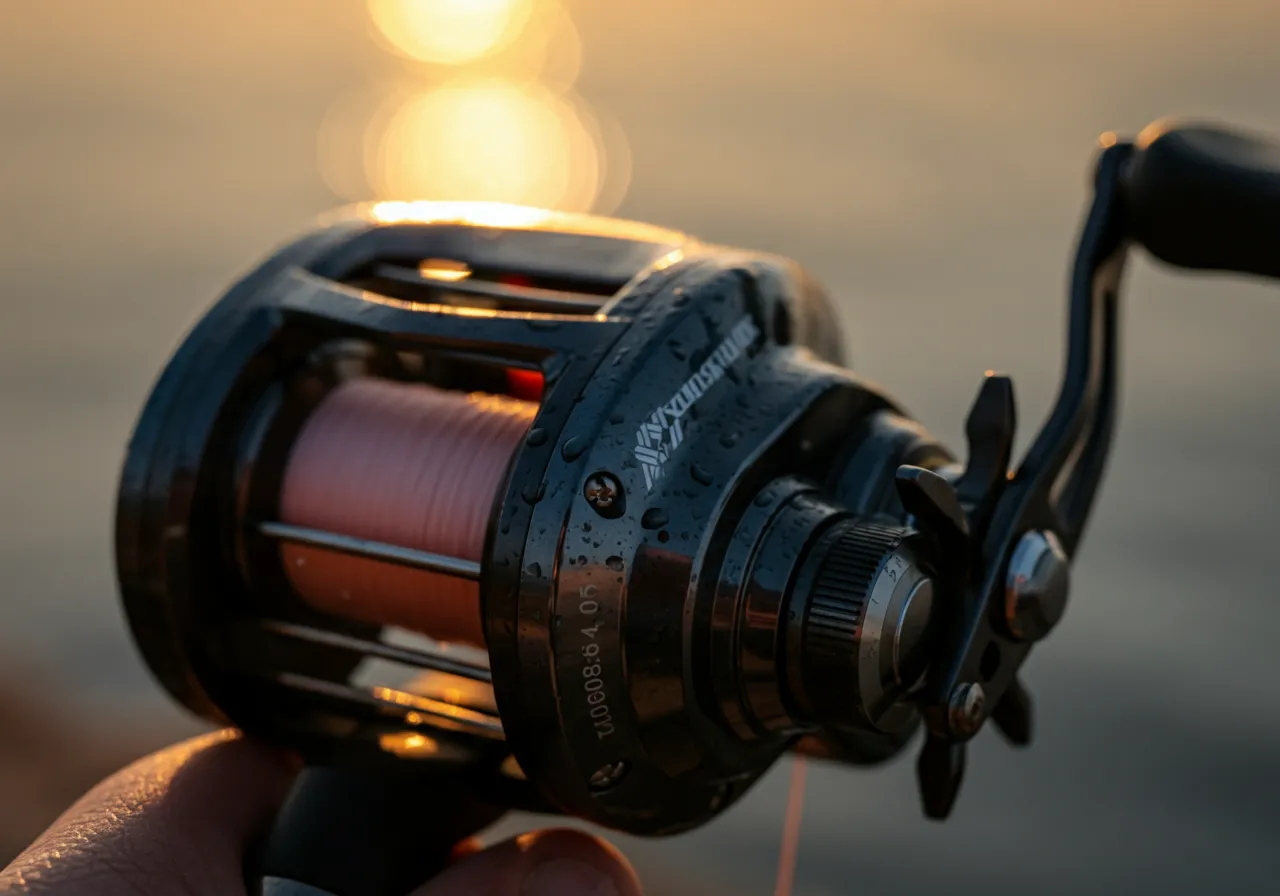
| Reel | 200-300 Size Baitcasting Reel with a 6.3:1 or 7.1:1 Gear Ratio. Look for reliable brands on sale. | High-Speed Baitcaster (8.1:1 or higher). Allows you to quickly pick up slack line after a strike or a missed blow-up. |
| Line | 40-50 lb. Braided Line. The no-stretch is critical for hook sets, especially in cover. | 50-65 lb. Braided Main Line with a 2-3 ft. 20 lb. Fluorocarbon Leader (for clear water/pressured fish). |
| Lures | Start with 2-3 proven types: a popper, a walking bait, and a buzzbait. Buy quality, but you don’t need every color. | Full arsenal with multiple sizes and colors of each type. Includes high-end hollow-body frogs and custom-painted baits. |
The Step-by-Step Topwater Execution
- Read the Water & Time: Focus on low-light periods—dawn, dusk, and overcast days. Target visible cover: docks, laydowns, weed edges, lily pads.
- Rig & Cast: Tie your lure directly to your braid or leader using a strong knot (Palomar is my favorite). Make a quiet, accurate cast past your target.
- The Critical Pause: Let the lure land and sit. This is when 90% of anglers mess up. Give it 5, 10, even 15 seconds. Let the rings fade.
- Work the Magic: Begin your retrieve specific to the lure type (see above). Your eyes and ears are your primary senses. Watch for follows, boils, or shadows.
- The Strike & Hookset: When the explosion happens, DO NOT immediately jerk. For most lures, pause for a split second until you feel the weight of the fish, then cross its eyes with a powerful, sweeping hookset.
Pros & Cons of Topwater Bass Fishing
Pros:
- Provides the most visually exciting strikes in fishing.
- Extremely effective for targeting large, aggressive bass.
- Can be done effectively from shore, kayak, or boat.
- Minimizes snags compared to bottom-contact techniques.
Cons:
- Highly dependent on specific conditions (low light, warmer water temps).
- Can result in a lower hook-up ratio compared to subsurface techniques.
- Requires patience and precise lure control.
- Often ineffective in high sun, cold water, or heavy wind.
Topwater Bass Fishing FAQs
Q: What is the best time of year for topwater action?
A: Late spring through early fall is prime, when water temperatures are above 65°F. However, don’t overlook warm spells in late fall or early spring on southern fisheries.
Q: Do I need special line for topwater fishing?
A> Yes. Braided line is highly recommended for its lack of stretch, which is crucial for solid hook sets at a distance. Its high visibility also helps you see subtle line movements.
Q: Why do I keep missing strikes on a frog?
A> This is the most common issue. You’re setting the hook too early. A bass often grabs the frog’s legs first before taking the whole body. When you see the blow-up, lower your rod tip, reel down to remove slack, and wait until you feel the weight pulling back. Then set the hook with authority.
The thrill of a topwater explosion is what turns casual anglers into lifelong addicts. It’s a game of patience, observation, and perfect timing. Start with the right gear for your budget, practice your retrieves, and always respect the resource. Now, get out there, make some noise, and hold on tight.
Disclaimer: This guide is based on my personal experience and is intended for informational purposes. Always check local regulations. Some links above may be affiliate links, which support the site at no extra cost to you.