Wahoo High Speed Trolling

You’ve spent all day trolling the blue water at a respectable 8 knots. You see the marks on the sonar, but the spread just isn’t getting bit. Frustration builds as you watch another boat scream past, their lines screaming off the reels. The difference isn’t luck—it’s speed. You’re not fishing for wahoo; you’re just trolling. To consistently hook these ocean missiles, you need to speak their language: velocity.
Disclaimer: This guide is based on my two decades of experience on the water. Always check your local state and federal fishing regulations for size limits, bag limits, and seasons. Safety is paramount; never compromise on a life jacket (PFD) for yourself or your crew, and always monitor marine weather forecasts. I am not affiliated with any gear brands mentioned; my recommendations are based on proven performance.
The Wahoo’s Need for Speed: It’s All About the Ambush
To understand high-speed trolling, you need to understand the wahoo. This isn’t a lazy bottom-feeder; it’s a pelagic predator built like a torpedo, capable of bursts over 60 mph. Its primary hunting strategy is the high-speed ambush. Think of it like a highway patrolman with a radar gun hiding behind a billboard. Wahoo often lie in wait near current lines, weed lines, or temperature breaks—their “billboards”—and launch a blistering attack on anything that moves fast enough to trigger their chase instinct.
Slow trolling a bait or lure might get a curious follow, but it often fails to trigger that primal strike reflex. High-speed trolling, typically between 12 and 18 knots, mimics a frantic baitfish trying to escape. It turns a casual inspection into a reactive, predatory explosion. You’re not giving them time to think; you’re forcing them to act.
Safety, Licenses, and Conservation: The Non-Negotiables
Before we talk lures and leaders, let’s cover the essentials. High-speed trolling involves powerful gear and a fast-moving boat, which amplifies risks.
- Weather & Sea State: This technique requires a capable boat and a careful eye on conditions. Rough seas at high speed are dangerous. Always check the National Weather Service marine forecast before heading out.
- Life Jackets (PFDs): Wear them. Especially the person handling the rod when a fish is on. A wahoo strike is violent, and a stumble at 15 knots can be serious.
- Licenses & Regulations: In the USA, you typically need a state saltwater fishing license, and for wahoo in federal waters, a NOAA HMS Angling Permit is often required. Regulations vary by region, so verify with your state’s wildlife agency. For example, anglers in the Southeast should consult the Florida Fish and Wildlife Conservation Commission for the latest rules.
- Ethical Angling: Wahoo are incredible sportfish and excellent table fare. Have a plan for the fish you intend to keep. Use sharp hooks for clean catches, and if practicing catch and release, minimize fight time and handle the fish carefully to ensure its survival.
The High-Speed Arsenal: Rigging for the Burn
Standard trolling gear will fail under the dual stress of high speed and a wahoo’s strike. You need specialized equipment built for the “burn.”
Core Gear Breakdown
- Rods: Short, stout 5.5′ to 6′ stand-up trolling rods with a fast taper. They need the backbone to handle the drag pressure at high speed and stop a wahoo’s first blistering run.
- Reels: High-capacity, high-drag two-speed lever drag reels (50-80W class). The two-speed is crucial: high gear to keep tension during the strike, low gear to win the pump-and-wind battle.
- Line: Here’s where many go wrong. You need 80-100 lb braided line as backing. Its no-stretch quality is critical for setting the hook at distance and speed. Top it with a 50-100 yard topshot of 80 lb mono or fluorocarbon. The mono’s stretch acts as a shock absorber on the strike.
- Leader: Single-strand wire or heavy fluorocarbon (130-200 lb) is mandatory. A wahoo’s razor-sharp teeth will slice through anything else. I prefer a 10-15 foot wind-on fluorocarbon leader for its stealth and abrasion resistance.
- Lures: This is the key. You need lures designed to run straight and “track” true at high speeds without blowing out. Look for heavy, bullet-shaped heads and sturdy skirts. Popular choices include the “Marauder,” “Canyon Runner,” and “Pakula” styles in bright colors (pink, orange, purple) or dark patterns (black/purple).
| Gear Component | Budget-Friendly Option | Pro-Grade Investment |
|---|---|---|
| Rod | Off-the-shelf 6′ heavy trolling rod (e.g., Ugly Stik Tiger) | Custom-built short stand-up rod (e.g., United Composites, Calstar) |
| Reel | Used or older model lever drag reel (e.g., Penn International II) | New two-speed lever drag (e.g., Shimano Talica, Penn International VISX) |
| Line & Leader | 80lb braid backing, 50yd 80lb mono topshot, single-strand wire leader | 100lb braid, 100yd 100lb fluoro topshot, wind-on 150lb fluoro leader |
| Lure | Proven production lures (e.g., Mold Craft Wide Range) | Custom-tuned high-speed lures from specialty makers |
| Best For | Anglers starting out or fishing a few times a season. | Serious offshore anglers targeting wahoo consistently. |
Executing the Technique: The Step-by-Step Burn
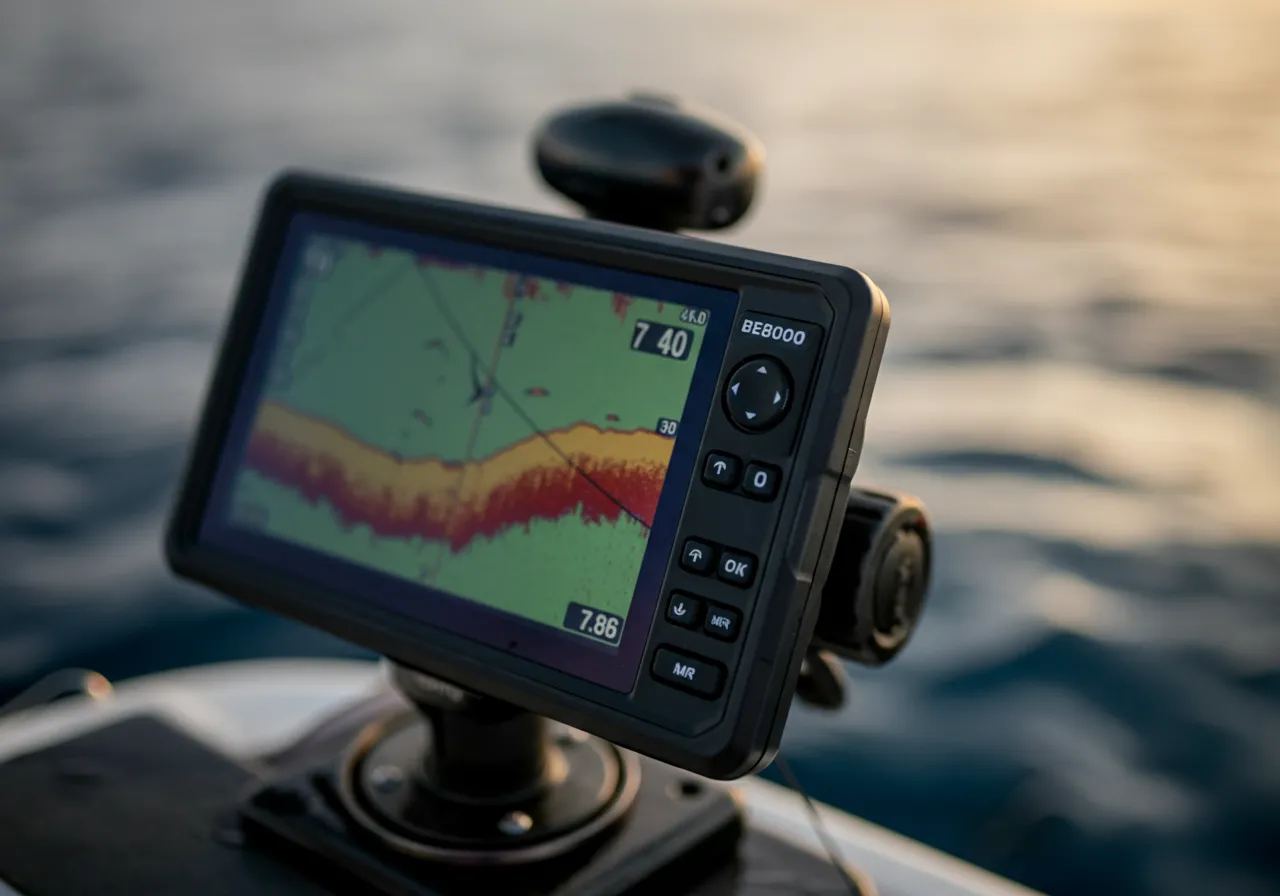
- Find the Zone: Target areas where wahoo congregate: temperature breaks, current edges, weed lines, or offshore towers/buoys. Use your sonar to locate bait and structure.
- Set the Spread: Run 4-6 lines. Place your shotgun (longest) line way back, 200-300 feet. Run your flat lines (shortest) closer to the boat, in the prop wash. This creates a staggered attack zone.
- Set the Speed: Start at 12 knots. If you’re not getting strikes or follows, bump it up in 1-knot increments up to 18 knots. The sweet spot is often 14-16 knots. Listen to your lures—they should hum, not flutter wildly.
- The Strike & Fight: When a wahoo hits, it’s not a tap. It’s a sledgehammer blow. Don’t “drop back.” Immediately put the reel in strike drag and lean into the fish. Keep the boat moving forward at a reduced speed to maintain pressure. Use the two-speed: high gear to gain line when you can, low gear when the fish digs deep.
- Boating: Extreme caution here. A green wahoo is a dangerous bundle of teeth and speed. Use a wireman’s glove or a towel to handle the leader. Gaff it firmly behind the head. Once on deck, subdue it immediately for everyone’s safety.
The Honest Take: Pros and Cons of High-Speed Trolling
Pros:
- Triggers More Strikes: It directly appeals to the wahoo’s primary feeding instinct.
- Covers Water Efficiently: You can search vast areas of open ocean quickly.
- Selective: You’ll primarily catch wahoo and the occasional tuna, reducing bycatch.
- Exhilarating: The strike at high speed is unmatched in offshore fishing.
Cons:
- Gear Intensive: Requires specialized, robust (and expensive) tackle.
- Fuel Intensive: Burning at 15 knots uses significantly more fuel than slow trolling.
- Physically Demanding: Fighting a powerful fish on heavy drag at speed is hard work.
- Can Be Rough: Not suitable for small boats or poor sea conditions.
Wahoo High-Speed Trolling FAQ
Q: What’s the best time of year for wahoo?
A: In the Atlantic and Gulf, peak seasons are fall and early winter as water temps cool, though they can be found year-round in some areas like South Florida and the Bahamas.
Q: Can I use my existing slow-troll lures?
A> Most will not. Slow-troll lures (like cedar plugs) often spin out or blow open at high speeds. You need lures specifically balanced and weighted for the “burn.”
Q: Is wire leader absolutely necessary?
A> For wahoo, yes. Heavy fluorocarbon (150lb+) can work, but for consistent success and no cut-offs, single-strand wire or heavy multi-strand cable is the safest bet.
Mastering high-speed trolling will transform your offshore game. It turns hopeful passes into confident attacks. Start with a solid budget setup, practice your spread in calm seas, and always respect the speed—both of your boat and the fish. Now get out there and put some stretch in those rods.
Ready to dial in your spread? Browse our other guides on reading temperature breaks and advanced sonar tips to find even more fish.
Summary: Wahoo high-speed trolling is a targeted technique using speeds of 12-18 knots with specialized lures and heavy tackle to trigger the fish’s ambush instinct, requiring careful attention to safety, regulations, and robust gear selection.